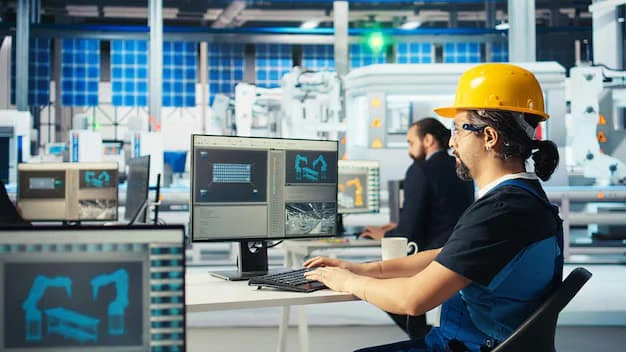

The manufacturing industry is evolving faster than ever before. The rise of automation, robotics, artificial intelligence, and data analytics has ushered in the era of the smart factory a highly connected, efficient, and intelligent production environment. However, managing the complex technology infrastructure that powers such advanced operations requires specialized expertise. This is where manufacturing IT services play a transformative role.
A manufacturing IT service helps companies integrate cutting-edge technologies, improve operational efficiency, and ensure reliable production processes. From managing industrial networks and cybersecurity to optimizing data flow and predictive maintenance, these services form the backbone of modern factory operations. This article explores how manufacturing IT services enable smart factory environments and why they are essential for future-ready manufacturing.
Understanding the Role of Manufacturing IT Services
Manufacturing IT services encompass a comprehensive range of technology solutions tailored to meet the unique needs of manufacturing environments. These services focus on ensuring seamless communication between machines, systems, and people while maintaining high levels of efficiency and security.
Key Functions of Manufacturing IT Services
- Automation and System Integration: Connecting machinery, sensors, and software systems to work in harmony.
- Data Management and Analytics: Gathering and analyzing data from the production floor to make informed decisions.
- Cybersecurity: Protecting manufacturing systems from external and internal cyber threats.
- Network Infrastructure Management: Ensuring uninterrupted connectivity between machines and systems.
- Cloud and Edge Computing: Enhancing scalability and enabling real-time processing of data.
By integrating these functions, manufacturing IT services provide the technological foundation necessary to support smart factory initiatives.
Enabling Smart Factory Transformation
Smart factories rely on the interconnection of devices, data, and automation to create intelligent and adaptive manufacturing environments. Manufacturing IT services help companies transition from traditional production setups to fully digitized and interconnected ecosystems.
Internet of Things (IoT) Integration
IoT-enabled devices collect valuable data from machines, tools, and sensors across the factory floor. Manufacturing IT services help integrate these devices into a centralized system, allowing for real-time monitoring, analysis, and decision-making. This data-driven approach improves efficiency, reduces downtime, and enhances product quality.
Automation and Robotics
Automation plays a key role in modern manufacturing. IT services enable the smooth integration and management of robotic systems that handle repetitive or high-precision tasks. This leads to consistent output, fewer human errors, and increased safety in the workplace.
Cloud-Based Operations
Cloud computing allows manufacturers to store, process, and access vast amounts of data securely. Manufacturing IT providers facilitate seamless cloud integration, enabling scalable operations, remote management, and data collaboration across multiple locations.
Enhancing Operational Efficiency
Efficiency is the cornerstone of any manufacturing operation. Through smart systems and data-driven insights, manufacturing IT services help streamline production processes and eliminate inefficiencies.
Real-Time Monitoring and Predictive Maintenance
With advanced analytics and sensor technologies, manufacturing IT services enable real-time monitoring of equipment performance. Predictive maintenance uses data to anticipate potential failures before they occur, minimizing downtime and reducing maintenance costs.
Optimized Supply Chain Management
IT services also enhance supply chain visibility. By integrating enterprise systems like ERP (Enterprise Resource Planning) and MES (Manufacturing Execution Systems), manufacturers can track materials, manage inventory, and optimize logistics more effectively.
Resource Optimization
From energy consumption to raw material usage, IT systems analyze data to help businesses reduce waste and operate more sustainably. This not only improves efficiency but also supports environmental responsibility.
Strengthening Cybersecurity in Smart Manufacturing
As manufacturing processes become more connected, the risk of cyberattacks grows. Smart factories are attractive targets for hackers because of their reliance on interconnected systems and valuable production data.
Multi-Layered Security
Manufacturing IT services implement comprehensive cybersecurity measures to protect operational technology (OT) and information technology (IT) environments. These include firewalls, intrusion detection systems, and endpoint protection solutions that safeguard both physical and digital assets.
Continuous Monitoring and Threat Response
Round-the-clock monitoring ensures that potential security threats are detected early. When unusual activity is identified, IT teams can take immediate action to contain and neutralize the threat before it disrupts operations.
Compliance with Industry Regulations
Manufacturing IT providers ensure compliance with relevant cybersecurity standards and regulations. This not only prevents legal risks but also enhances customer trust and business reputation.
Data-Driven Decision Making
In the era of Industry 4.0, data has become one of the most valuable assets for manufacturers. Manufacturing IT services transform raw production data into actionable insights that guide strategic decisions.
Advanced Analytics and Reporting
By leveraging data analytics, manufacturers can identify inefficiencies, optimize production schedules, and forecast demand. These insights help improve product quality and reduce operational costs.
Artificial Intelligence and Machine Learning
AI and machine learning algorithms analyze patterns in manufacturing data to enhance predictive capabilities. For example, they can detect minor anomalies in production lines before they turn into costly defects.
Improving Collaboration and Communication
Smart factories rely on seamless collaboration between teams, departments, and locations. A manufacturing IT service ensures that all stakeholders have access to the tools and systems they need for effective communication.
Unified Communication Systems
IT services implement communication platforms that connect engineers, operators, and managers in real time. Whether on the shop floor or in the corporate office, everyone can access critical information instantly.
Remote Monitoring and Management
With cloud-based systems, decision-makers can monitor production performance and make adjustments remotely. This flexibility supports global operations and enables faster response times.
Supporting Innovation and Continuous Improvement
Innovation is the driving force behind the smart factory movement. Manufacturing IT services help manufacturers adopt new technologies and continuously enhance their processes.
Integration of Emerging Technologies
From digital twins and augmented reality to advanced robotics, IT services enable the integration of cutting-edge innovations that redefine manufacturing efficiency.
Continuous Process Improvement
Through regular system audits and performance analysis, IT providers identify areas for improvement and recommend solutions to optimize performance and output quality.
Ensuring Scalability and Future-Readiness
The manufacturing landscape is constantly evolving. A manufacturing IT service ensures that the technology infrastructure can adapt to future needs.
Scalable Infrastructure
As production demands grow, IT systems can be expanded without disrupting operations. Whether a company adds new machines, facilities, or digital systems, the infrastructure scales accordingly.
Preparing for Industry 5.0
Beyond automation, Industry 5.0 emphasizes human-machine collaboration. Manufacturing IT services are paving the way for this next industrial revolution by integrating systems that support both human expertise and intelligent automation.
Conclusion
Smart factories represent the future of manufacturing efficient, data-driven, and highly connected. Achieving this level of sophistication requires the right technological foundation and continuous IT support. Manufacturing IT services empower manufacturers to embrace digital transformation with confidence by optimizing operations, enhancing cybersecurity, and enabling innovation.
For manufacturers seeking to modernize their operations, streamline production, and stay competitive in the global market, partnering with an experienced IT service provider is a strategic move toward success.
Andromeda Technology Solutions is dedicated to helping manufacturers leverage advanced IT services to build smarter, safer, and more efficient factory operations.


Sign in to leave a comment.