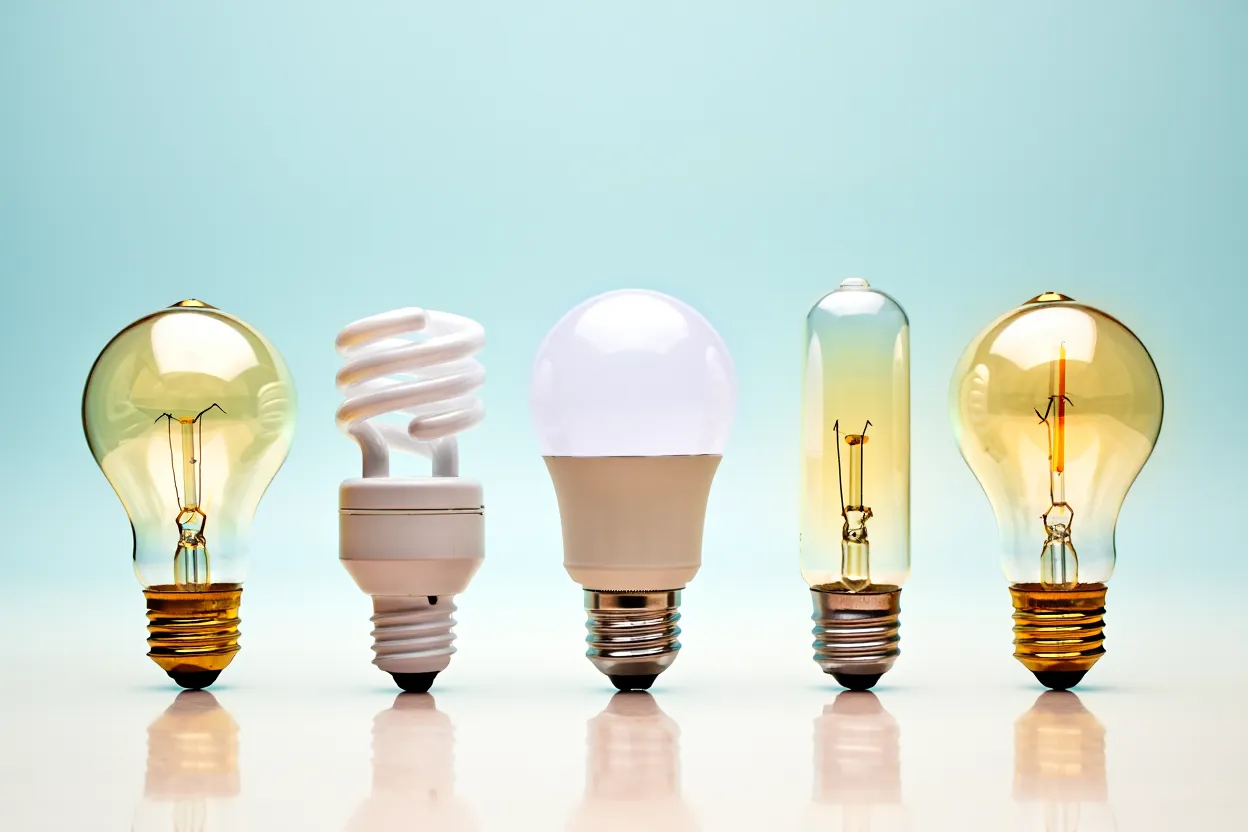

A clear answer often brings relief. A majority of commercial LED lights have a lifespan of between 50,000 - 100,000 hours. This range can be a bit like a lot but can be translated into years of continuous usage. Older lighting often needed regular changes, while a longer LED light's lifespan tends to ease that cycle. As time passes, performance feels more consistent, particularly when high-quality lights are used.
What Defines The Lifespan Of LED Lights?
A simple number rarely tells the full story. The lifespan of commercial LED lights is typically expressed in hours however the actual usage of LED lights determines the result.
A reduction in brightness is expected rather than sudden failure. Unlike older bulbs, complete burnout rarely happens early. Instead, light output slowly reduces over time. This process is often called lumen depreciation.
Several factors tend to influence how long lighting continues to perform:
- Heat levels within the fixture often affect longevity
- Stable voltage supply usually supports consistent performance
- Proper installation tends to prevent early wear
- Quality of internal components plays a quiet but major role
A well-maintained setup often stretches the usable years further. Meanwhile, poorly ventilated fixtures may shorten that journey.
Let us Take A Closer Look at How Traditional Lighting Holds Up Over Time
Older lighting had its limits. Incandescent bulbs looked great at the start but didn’t last long. Fluorescent tubes managed more hours, yet flickering and dim light often became part of the experience.
In comparison to the traditional types of lighting fixtures, LEDs are able to provide more stability. The energy used is less, allowing inner components of the system to age more slowly.
A noticeable shift also appears in maintenance routines. Frequent replacements were once expected with older systems. LED systems, however, usually demand less attention over time.
A quiet convenience often emerges here. A lower number of interruptions can mean more efficient everyday operations, particularly in larger areas where lighting plays a continuous function.
Factors That Quietly Affect the Lifespan of LED Lights
Every lighting setup carries its own environment. That environment often shapes the actual LED lights lifespan beyond the stated numbers.
- The temperature plays a subtle but significant role. In excess heat, it can weaken internal circuits over the course of time. Cooler operating conditions however will help to maintain a steady performance.
- Usage patterns also matter. In continuous use, you can experience wear over time, and frequent switching could stress some components. Balance often becomes the key.
- Dust and airflow deserve attention as well. Accumulated particles may trap heat, reducing efficiency. Clean surroundings usually support longer service.
- Power quality cannot be ignored. Sudden voltage fluctuations may affect durability. Stable electrical supply often supports a longer operational life.
Each of these factors may seem small on its own. Together, they quietly shape how long lighting continues to perform as expected.
The Real Impact of Quality Over Time
There is a noticeable distinction between average and high-quality LED lights. Although many LED lights appear like they do on the outside surface, the internal design tends to distinguish the lights over time.
Better heat sinks, stronger drivers, and reliable materials usually lead to consistent performance. Products of lower quality may still work however, issues with a gradual nature tend to develop earlier.
Flickering, uneven brightness, or early dimming sometimes signal internal weaknesses. In contrast, well-built lighting tends to maintain steady output for longer periods.
Another advantage quietly emerges in long-term cost. The fewer replacements usually mean less disruption, and lower costs overall. That difference becomes more visible in larger setups.
Choosing high-quality LED lights often feels like a small decision at first. Over time, that choice tends to shape the entire lighting experience.
The Effect of Environment on How Lighting Performs
Lighting rarely exists in isolation. The surrounding environment can influence the performance by subtle means. Enclosed fixtures may trap heat, which can shorten operational life. Open designs usually allow better airflow, supporting longer use.
Moisture in the air sometimes influences how long the lighting continues to work smoothly. Moist environments may affect internal components if protection is limited. Proper sealing often helps in such conditions.
Vibration and movement can quietly impact durability as well. Stable installations usually protect delicate parts from wear.
Lighting used in demanding settings may age differently compared to controlled indoor spaces. A thoughtful setup often supports better long-term results.
The Point at Which Lighting Typically Requires Replacement
Complete failure is not always the first sign. Gradual dimming often signals the need for replacement.
A noticeable drop in brightness may affect visibility and comfort. Uneven lighting may also begin to appear over time. Flickering or delayed startup can indicate aging components.
These signs often suggest that performance has moved beyond its optimal stage.
Rather than waiting for total failure, timely replacement often maintains consistent lighting quality. This approach tends to prevent sudden disruptions.
The Reasons LED Lighting Works Well Over Time
A steady balance between efficiency and durability often defines LED systems.
Lower energy consumption tends to reduce strain on internal components. Less heat generation supports longer operational life.
Maintenance demands usually remain minimal. This factor often becomes valuable in spaces where access is limited or replacements are inconvenient.
Consistency is also a factor. A stable brightness level over long time frames creates a more stable setting. A calm, steady reliability is often the biggest benefit. With time, less interruptions and a steady performance make an obvious distinction.
Things Worth Considering Before Choosing LED Lighting
A careful approach often results in better outcomes. Being aware of the output of lumens, wattage and the color temperature can help make sure that lighting is matched to the specific requirements. It is also important to consider compatibility with fixtures.
Warranty terms may provide additional confidence. Extra coverage tends to reflect confidence in how the product has been made.
A thoughtful choice often reflects a mix of steady performance, lasting build, and a good fit for the space.
The Impact of Long-lasting Lighting on Daily Comfort
Lighting often shapes daily comfort in subtle ways. Consistent brightness supports focus and visibility. Reduced maintenance creates fewer interruptions.
Energy savings quietly add up over time. Lower replacement frequency also reduces waste.
These small benefits often combine into a smoother experience. Over time, lighting becomes something rarely noticed, which often means it works well.
The Changes Shaping the Future of LED Lighting
- Lighting keeps improving in quiet ways, with better materials and thoughtful design helping it last longer.
- Integration with control systems has also become more common. Automation, dimming, and intelligent adjustments provide flexibility.
- As technology advances, lighting is becoming more reliable and flexible. That quiet progress often benefits everyday environments without drawing attention.
The Role LED Lifespan Plays in Long-term Lighting Use
A longer lifespan often brings more than just durability. A lower maintenance burden, stable performance, and constant lighting all contribute to a more enjoyable experience.
The choice of the best LED lights can influence the way spaces feel over time. A reliable lighting system can be used to support everyday activities with no interruption.
An intelligent decision today usually results in less worries in the future. As time passes, this regularity is likely to be more important than you would think.
Frequently Asked Questions
How long do LED lights usually last in real use?
The majority of LED lights are designed for hundreds of thousands of hours. The real-world environment can influence this amount. The temperature, the usage patterns, and the quality of installation all have an impact. A well-maintained installation usually provides a longer runtime.
Do LED lights stop working suddenly like traditional bulbs?
Sudden failure is less common with LEDs. Gradual dimming is more typical. Brightness slowly reduces over time, which often allows enough notice before replacement becomes necessary.
Can frequent switching reduce LED lifespan?
Frequent switching may affect certain components, especially drivers. However, LEDs generally handle switching better than older lighting types. Balanced usage patterns usually help maintain performance.
Why do some LED lights fail earlier than expected?
The early failures are often due to excessive heat, low-quality components, or a weak power supply. A lack of ventilation could also decrease lifespan. Proper design and installation will usually avoid these issues.
Is investing in higher-quality LED lights worth it?
High-end models usually provide better performance and stability over time. Fewer replacements and stable brightness usually make a noticeable difference. Long-term reliability often justifies the initial choice.










Sign in to leave a comment.