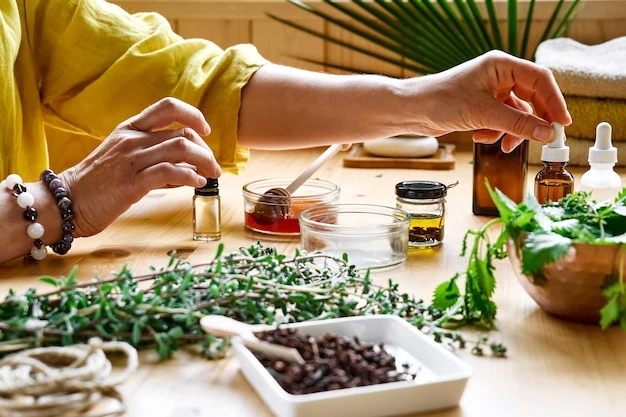
For centuries, herbal remedies have played a vital role in maintaining health and treating ailments. While modern medicine has brought remarkable advancements in diagnosis and treatment, many people are rediscovering the value of natural remedies as a complementary approach. When used mindfully and under the guidance of professionals, herbal treatments can enhance the effectiveness of modern care and support overall well-being.
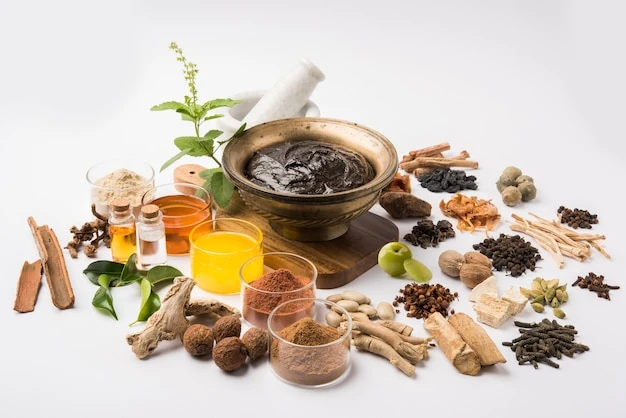
Understanding the Role of Herbal Remedies
Herbal remedies involve the use of plants or plant extracts to address health issues or support bodily functions. Ingredients like ginger, turmeric, chamomile, and ashwagandha have long been used to ease digestion, reduce inflammation, and calm anxiety. Unlike synthetic medications, herbs often offer gentler effects and are prized for their minimal side effects when used appropriately. They can provide support for chronic conditions or serve as daily wellness boosters.
Modern Medicine’s Strengths and Limitations
Modern medicine excels in emergency care, advanced diagnostics, and surgical interventions. It’s life-saving in acute situations and indispensable for treating severe conditions. However, it sometimes focuses on symptom suppression rather than root causes and may involve side effects or long-term dependencies. This is where herbal remedies can offer additional support by addressing the underlying imbalances and enhancing recovery without replacing essential medical treatments.
Building a Balanced Approach to Health
Integrating herbal remedies with modern treatments allows for a more holistic approach to health. For example, someone taking medication for high blood pressure might also benefit from incorporating hibiscus tea or garlic into their diet. Herbal remedies can support immunity, digestion, sleep, and stress management—areas often impacted by chronic conditions or pharmaceuticals. This balanced method acknowledges the strengths of both systems, offering a broader path to healing.
Consulting with Professionals Is Key
Combining herbal remedies with conventional treatments should never be done casually. Some herbs may interact with prescription drugs or affect how the body processes certain medications. Consulting with healthcare providers, naturopaths, or integrative medicine practitioners is crucial to ensure safety and effectiveness. A guided approach helps identify what herbal support is suitable for your needs and how to use it in harmony with ongoing treatments.
Everyday Herbs with Proven Benefits
Many herbs have gained scientific validation for their therapeutic properties. Peppermint aids digestion, ginger fights nausea, turmeric reduces inflammation, and lavender promotes relaxation. These common ingredients are easy to incorporate into daily routines through teas, supplements, or essential oils. While not cures, they contribute to long-term wellness by supporting the body’s natural functions and reducing reliance on over-the-counter medications.
Supporting Mental and Emotional Wellbeing
In addition to physical health, herbal remedies also support mental balance. Adaptogens like ashwagandha, rhodiola, and holy basil help the body respond to stress more effectively. Herbs such as lemon balm and passionflower promote calm and aid restful sleep. When used consistently, these natural supports can enhance mood, energy levels, and resilience, complementing therapies and medications for conditions like anxiety or depression.
Learning and Staying Informed
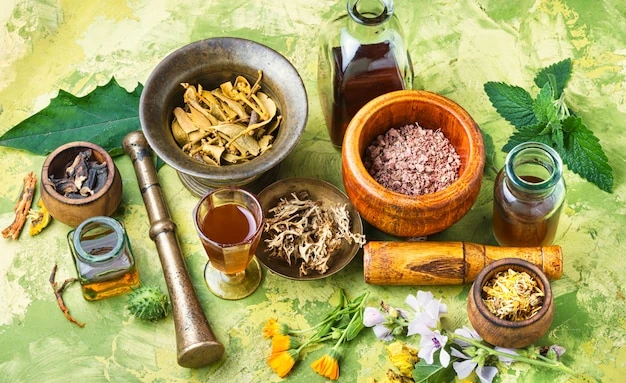
The world of herbal remedies is vast, and informed choices make all the difference. Understanding dosage, quality, sourcing, and preparation methods is essential. Educational resources help you integrate herbs in a safe, effective, and intentional way. To discover more about how natural wellness and modern care can work together, follow unitedbyhalf.in blog for guidance, tips, and balanced insights.
Conclusion
Herbal remedies and modern medicine don’t have to exist in opposition—they can work together to provide comprehensive care. When thoughtfully combined, they address the body and mind as a whole, offering both symptom relief and deeper healing. With expert guidance and a willingness to explore natural options, you can find a health routine that supports your long-term well-being in a balanced and sustainable way.














Sign in to leave a comment.