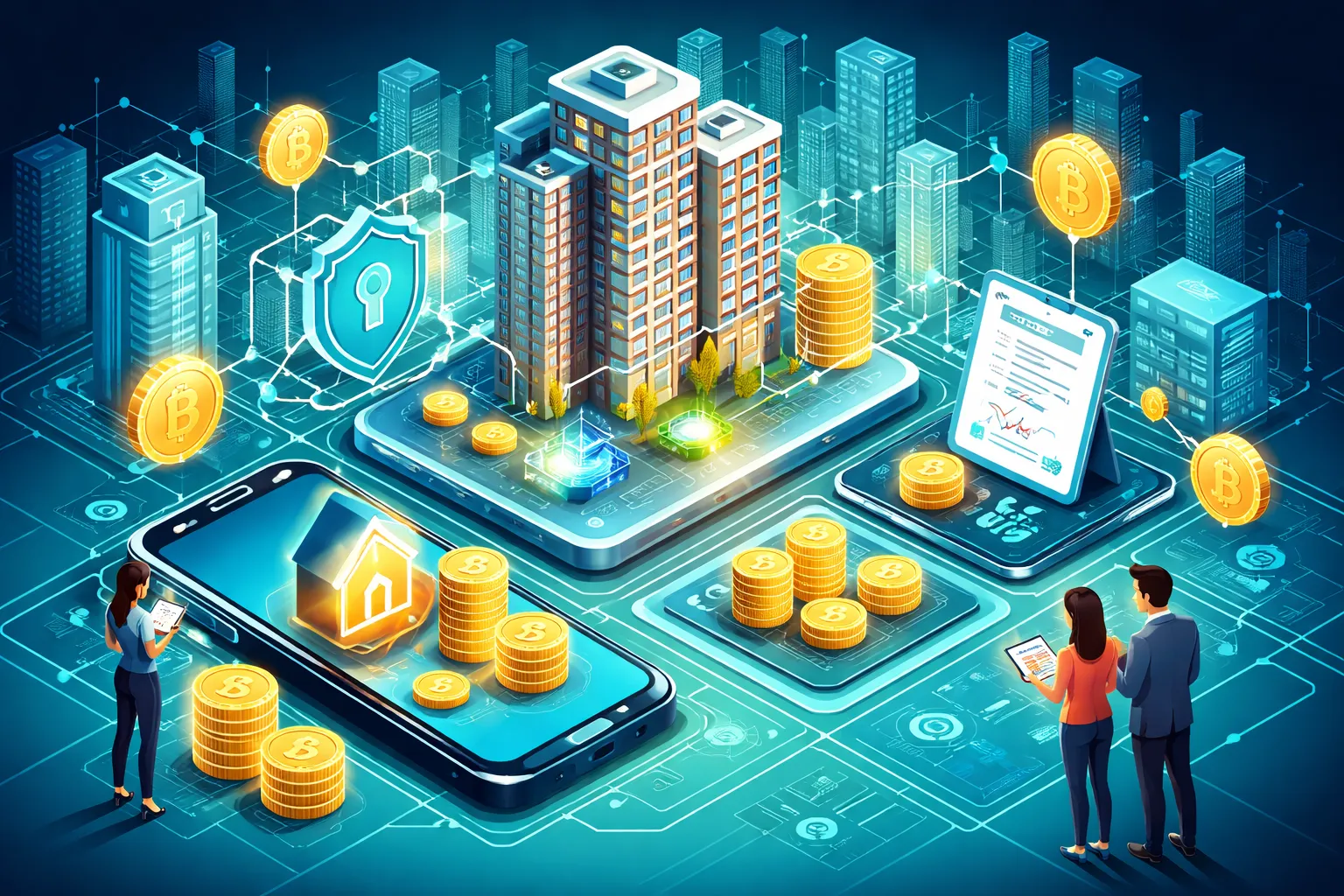

Property ownership has long been linked with large capital, lengthy paperwork, and limited access for everyday investors. For decades, buying real estate meant committing to a single asset, managing it over time, and waiting years to see meaningful returns. This traditional model has started to shift as digital systems enter the financial ecosystem. One of the most discussed developments in recent years is Real Estate Tokenization, which introduces a different way to buy, sell, and hold property assets.
Instead of relying on conventional ownership structures, this model divides property into digital units that represent fractional ownership. These units can be stored, transferred, and traded through blockchain-based systems. As a result, real estate asset tokenization is gradually changing how individuals and institutions interact with property markets.
This blog examines how this concept is altering ownership patterns, investment behavior, and access to real estate across the globe.
Understanding Real Estate Tokenization
Real Estate Tokenization refers to the process of converting ownership rights in a property into digital tokens recorded on a blockchain. Each token represents a portion of the asset, allowing multiple investors to hold shares in a single property.
This process involves legal structuring, valuation of the property, and digital issuance of tokens. A Real Estate Tokenization company typically manages these steps, ensuring that the tokens correspond to actual ownership rights.
Unlike traditional property ownership, where a single individual or entity holds full control, tokenization divides ownership into smaller units. These units can be purchased by multiple investors, reducing the financial barrier that often prevents people from entering the real estate market.
From Full Ownership to Fractional Ownership
One of the biggest shifts introduced by real estate tokenization development is the move from full ownership to fractional ownership. In the past, owning property meant buying an entire unit, whether residential or commercial. This often required large upfront investments and long-term commitments.
With tokenization, ownership is divided into smaller shares. Investors can purchase only the portion they can afford. This opens opportunities for individuals who previously could not participate in real estate due to financial constraints.
Fractional ownership also allows investors to diversify their portfolios. Instead of investing all their funds into a single property, they can spread investments across multiple assets in different locations or sectors.
Liquidity in Property Investments
Traditional real estate is often considered an illiquid asset. Selling a property can take months or even years, depending on market conditions. This lack of liquidity has been a major limitation for investors.
Real Estate Tokenization Services introduce a different approach by allowing tokens to be traded on digital platforms. Investors can buy or sell their shares without needing to transfer full ownership of the property.
This increased liquidity changes how investors think about real estate. Instead of locking capital for long periods, they can adjust their holdings based on market conditions or personal financial goals.
Lower Barriers to Entry
High entry costs have always been a defining feature of real estate investment. Down payments, legal fees, and maintenance costs often make it difficult for new investors to enter the market.
Real Estate Tokenization Platform Development addresses this issue by lowering the minimum investment requirement. Since properties are divided into tokens, investors can start with smaller amounts.
This shift allows a broader range of participants, including younger investors and those from emerging markets, to gain exposure to real estate assets. It also encourages a more inclusive investment environment.
Global Access to Property Markets
In traditional systems, investing in international real estate can be complex. Legal requirements, currency exchange, and regulatory differences often create barriers.
Real estate asset tokenization simplifies cross-border investments. Digital tokens can be accessed from anywhere, allowing investors to participate in property markets outside their home country.
A Real Estate Tokenization Development company often handles compliance and regulatory aspects, making it easier for investors to engage in global opportunities. This expands the reach of property investment beyond local markets.
Improved Transparency and Record Keeping
Property transactions have historically involved multiple intermediaries, including brokers, lawyers, and banks. This can lead to delays, errors, and lack of clarity.
Blockchain-based systems used in real estate tokenization development provide a shared ledger where all transactions are recorded. Each token transfer is documented, creating a traceable history of ownership.
This system reduces disputes and simplifies record management. Investors can verify their ownership and transaction history without relying on multiple third parties.
Cost Efficiency in Transactions
Buying and selling property often involves significant costs, including agent commissions, legal fees, and administrative charges. These costs can reduce overall returns for investors.
Real Estate Tokenization Services reduce the need for intermediaries, which can lower transaction costs. Digital processes replace many manual steps, making transactions faster and more cost-effective.
For investors, this means a larger portion of their investment goes directly into the asset rather than being spent on fees.
Flexibility in Investment Strategies
Tokenization introduces flexibility that is rarely seen in traditional real estate. Investors are no longer limited to long-term holding strategies.
They can choose to hold tokens for rental income, trade them for short-term gains, or rebalance their portfolios based on market conditions. This flexibility makes real estate more adaptable to different investment styles.
A Real Estate Tokenization company often provides platforms where investors can monitor performance and make decisions in real time.
Role of Technology in Ownership Models
Technology plays a central role in changing how property ownership works. Real Estate Tokenization Platform Development integrates blockchain, smart contracts, and digital wallets to manage assets.
Smart contracts automate processes such as rent distribution, dividend payments, and compliance checks. This reduces manual intervention and minimizes the risk of errors.
These systems create a more efficient framework for managing property assets, benefiting both investors and property owners.
Impact on Property Developers
Developers also benefit from real estate tokenization development. Raising funds for new projects has traditionally relied on bank loans or large investors.
Tokenization allows developers to access a wider pool of investors by offering fractional ownership in their projects. This can speed up fundraising and reduce reliance on traditional financing methods.
Real Estate Tokenization Development Services often assist developers in structuring these offerings, ensuring compliance with legal requirements.
Risk Distribution Among Investors
Investing in a single property can be risky, especially if market conditions change or the property underperforms. Tokenization spreads risk across multiple investors.
Each investor holds a smaller share, reducing individual exposure. This makes real estate investment less risky compared to traditional models where a single owner bears all the risk.
Diversification across multiple tokenized assets further reduces overall investment risk.
Regulatory Considerations
While real estate asset tokenization offers many advantages, it also comes with regulatory challenges. Different countries have varying laws regarding digital assets and property ownership.
A Real Estate Tokenization Development company plays a crucial role in ensuring compliance with these regulations. This includes structuring tokens as securities where required and adhering to local laws.
Investors should be aware of these regulations before participating in tokenized real estate markets.
Challenges and Limitations
Despite its potential, Real Estate Tokenization is not without challenges. Market adoption is still in progress, and many investors are unfamiliar with the concept.
Technology-related risks, such as cybersecurity threats and platform reliability, also need to be considered. Additionally, regulatory uncertainty in some regions can affect market growth.
Real Estate Tokenization Services must address these challenges to build trust among investors and encourage wider adoption.
Changing Investor Mindsets
One of the most significant changes brought by tokenization is the shift in how investors view property ownership. Instead of seeing real estate as a static asset, investors begin to treat it as a dynamic financial instrument.
This shift encourages more active participation, portfolio management, and strategic decision-making. Investors can respond to market trends more quickly than in traditional systems.
Future Outlook of Property Ownership
As technology continues to evolve, real estate tokenization development is expected to grow. More platforms, improved regulations, and increased awareness will likely contribute to wider adoption.
Real Estate Tokenization Platform Development will continue to refine user experiences, making it easier for investors to participate. Over time, tokenized assets may become a common part of investment portfolios.
The concept of owning an entire property may become less dominant as fractional ownership gains popularity.
Conclusion
Real Estate Tokenization is changing the way property ownership is understood and practiced. By introducing fractional ownership, increasing liquidity, and lowering entry barriers, it offers a different approach to real estate investment.
With the support of a Real Estate Tokenization company and advanced Real Estate Tokenization Development Services, investors and developers can engage in property markets more efficiently.
While challenges remain, the shift toward digital ownership models is becoming more visible. Real estate asset tokenization presents a new perspective on property investment, one that aligns with the evolving financial landscape.
As adoption continues, the idea of owning property may no longer be limited to traditional methods. Instead, it may become a more flexible and accessible experience for investors worldwide.













Sign in to leave a comment.