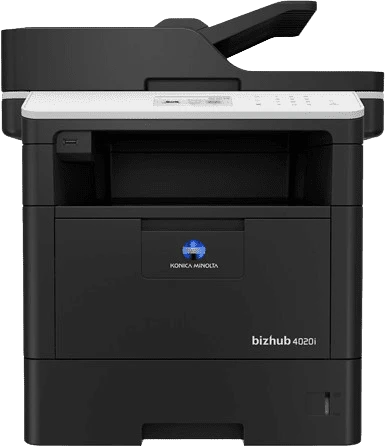

For businesses and individuals, printer rental is becoming an increasingly popular solution to meet printing needs without the heavy upfront investment of purchasing a new machine. Whether you’re running a short-term project, managing a growing office, or testing different printing solutions before committing to a purchase, renting a printer can be a cost-effective and flexible choice. Here’s a detailed look at how printer rental works and the essential points you should consider before making a decision.
How Printer Rental Works
Printer rental operates on a simple model: instead of buying a printer outright, you lease it from a service provider for a set period—ranging from a few days to several years—depending on your requirements. The rental agreement often includes:
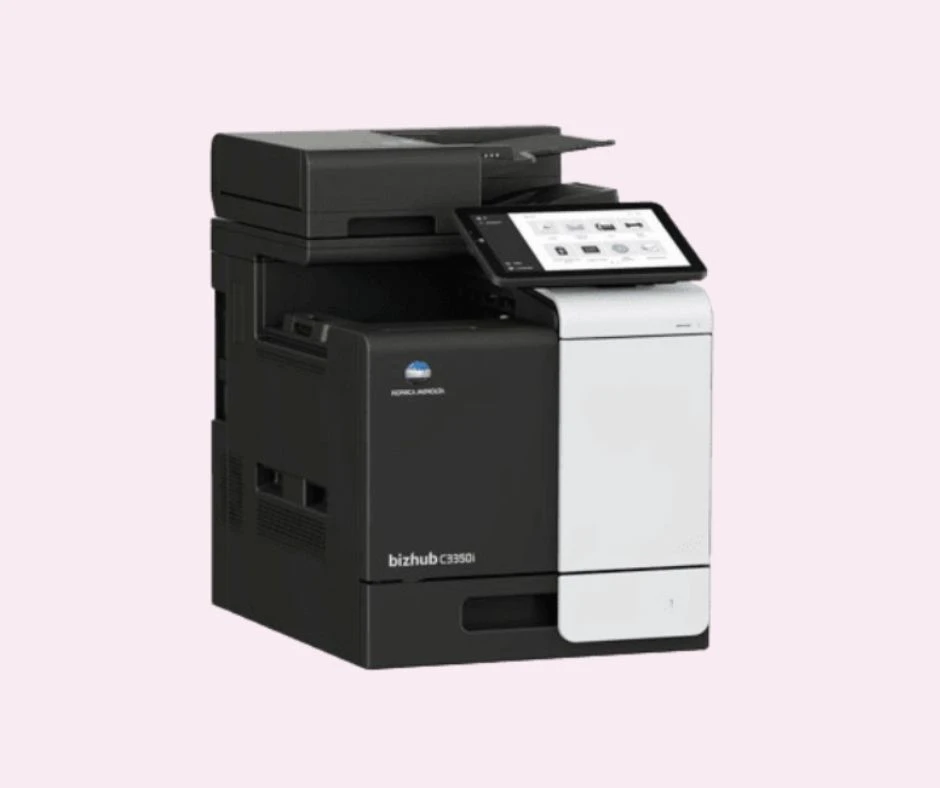
- Choice of Printer – You can select from a wide range of devices, including multifunction printers, laser printers, or high-speed copiers, depending on your printing volume and needs.
- Flexible Terms – Contracts can be short-term for events or long-term for ongoing business operations.
- Maintenance & Support – Most rental plans include regular maintenance, troubleshooting, and replacement of faulty parts, saving you the hassle of repairs.
- Supplies & Consumables – Many providers offer packages that include toner, ink, and paper, ensuring uninterrupted workflow.
Points to Consider Before Opting for Printer Rental
Purpose & Duration
Define whether you need the printer for a short-term project or as a long-term business solution. Short-term rentals may cost more per day, while long-term leases are generally more affordable.
Type of Printer
Choose a device that matches your printing needs—high-speed printers for large volumes, color printers for marketing materials, or multifunction printers for scanning, copying, and faxing.
Cost Structure
Understand the rental fee structure. Some agreements charge a flat monthly rate, while others have additional charges for exceeding a set number of prints.
Maintenance and Service
Ensure the rental provider includes free maintenance and quick support in case of breakdowns. Downtime can disrupt your workflow.
Supplies Management
Check if consumables like ink and toner are part of the package. This can significantly reduce running costs.
Upgrade Options
Technology evolves quickly—confirm if you can upgrade to a newer model during the contract period.
Contract Terms
Read the fine print. Look out for clauses on early termination, damage liability, or penalties.
Conclusion
Printer rental offers flexibility, reduced upfront costs, and access to the latest printing technology without the burden of ownership. By carefully assessing your requirements and understanding the terms of the agreement, you can choose a rental plan that keeps your office running smoothly and efficiently.










Sign in to leave a comment.