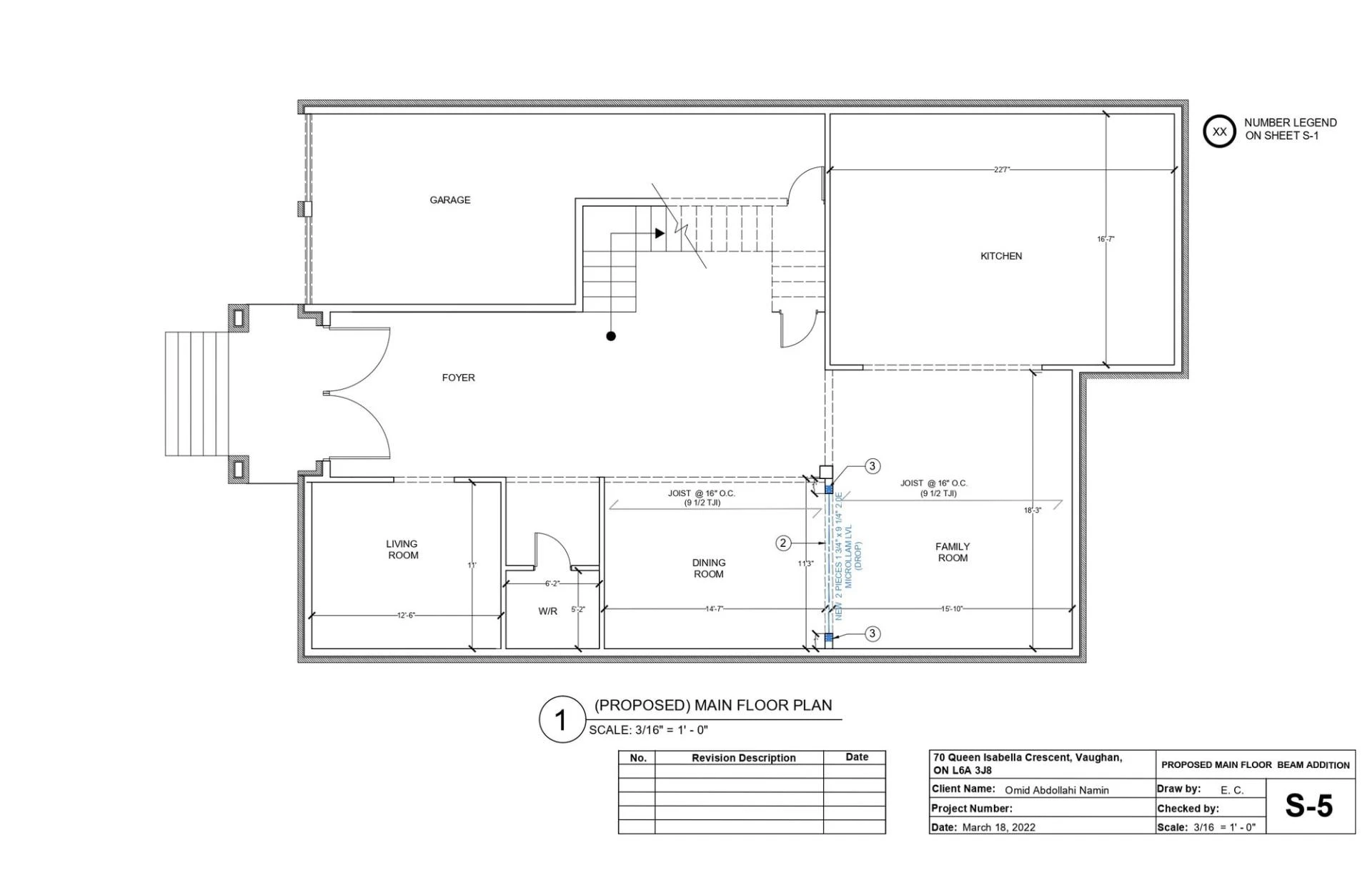

In the modern construction industry, precision and efficiency are crucial for ensuring the success of any project. Steel detailing drawings play a vital role in achieving these goals by providing accurate representations of steel structures, components, and connections. These drawings are essential for fabricators, engineers, and contractors to understand the exact specifications and dimensions required for construction. Steel detailing drawings not only streamline the fabrication process but also minimize errors, reduce material wastage, and ensure timely project delivery. With the increasing complexity of architectural and structural designs, steel detailing drawings have become indispensable for civil and structural engineers. These drawings serve as a bridge between conceptual designs and actual construction, allowing stakeholders to visualize the entire framework and address potential issues before fabrication begins. Moreover, steel detailing drawings enhance collaboration between architects, engineers, and fabricators, leading to better-informed decisions and higher-quality outcomes.
Understanding Steel Detailing Drawings
Steel detailing drawings are comprehensive documents that depict every component of a steel structure in detail. They include information on dimensions, connections, materials, and fabrication processes. Unlike general structural drawings, which provide an overall view, steel detailing drawings focus on intricate details necessary for the accurate assembly of steel components. These drawings often encompass plans, elevations, sections, and individual part details to guide fabricators in creating precise steel elements. By following these drawings, construction teams can avoid costly mistakes, maintain structural integrity, and meet design standards effectively.
The Role of Steel Detailing in Structural Engineering
Structural engineering relies heavily on precise documentation for successful project execution. Steel detailing drawings play a pivotal role by providing engineers with a clear representation of every steel element and its relationship to the overall structure. These drawings help engineers verify design feasibility, identify potential clashes, and ensure that load-bearing elements are correctly designed. By incorporating steel detailing drawings into the planning phase, structural engineers can significantly reduce errors during fabrication and construction, resulting in safer and more durable structures.
Benefits of Accurate Steel Detailing Drawings
The advantages of using accurate steel detailing drawings extend across multiple aspects of construction projects. First, they improve fabrication accuracy, allowing steel components to be manufactured according to exact specifications. Second, these drawings reduce project delays by providing clear guidance for installation and assembly. Third, they help in cost management by minimizing material wastage and avoiding rework. Additionally, steel detailing drawings enhance communication among project stakeholders, fostering collaboration between architects, engineers, and contractors. Overall, these drawings ensure that projects are completed efficiently, safely, and within budget.
Types of Steel Detailing Drawings
Steel detailing drawings come in various types, each serving a specific purpose in the construction process. General arrangement drawings provide an overall view of the structure, showing the placement of major steel elements. Erection drawings guide on-site assembly, indicating the sequence of installation and connection points. Shop drawings detail each component for fabrication, including dimensions, material specifications, and connection details. Additionally, fabrication drawings provide precise measurements and instructions for cutting, welding, and assembling steel parts. Understanding these different types of steel detailing drawings is crucial for engineers and fabricators to ensure seamless project execution.
Software and Tools for Steel Detailing Drawings
Modern steel detailing relies on advanced software to create precise and efficient drawings. Programs such as AutoCAD, Tekla Structures, and Revit allow engineers and designers to produce accurate 2D and 3D representations of steel structures. These tools facilitate error detection, improve collaboration, and allow for easy modifications during the design phase. AutoCAD, in particular, is widely used due to its flexibility, extensive library of steel components, and compatibility with fabrication processes. By leveraging these tools, construction teams can create detailed steel detailing drawings that meet industry standards and project requirements.
Common Challenges in Steel Detailing
Despite its importance, steel detailing comes with several challenges. One of the main issues is ensuring accuracy in complex structures with numerous components and connections. Miscommunication between engineers, architects, and fabricators can lead to errors in drawings and delays in construction. Additionally, integrating changes from design revisions into existing drawings can be time-consuming and prone to mistakes. To overcome these challenges, construction teams must prioritize clear communication, use advanced detailing software, and implement quality control measures throughout the project lifecycle.
The Importance of Collaboration in Steel Detailing
Collaboration is a critical factor in the successful creation and utilization of steel detailing drawings. Engineers, architects, fabricators, and contractors must work together to ensure that drawings are accurate and feasible for construction. Regular coordination meetings, shared digital platforms, and effective feedback mechanisms help maintain alignment among stakeholders. Collaborative efforts ensure that steel detailing drawings not only meet design specifications but also address practical considerations for fabrication and assembly. This teamwork ultimately leads to more efficient construction processes and higher-quality structures.
Future Trends in Steel Detailing Drawings
The future of steel detailing drawings is shaped by technological advancements and evolving construction practices. Building Information Modeling (BIM) is increasingly integrated with steel detailing to provide intelligent, data-rich models that enhance visualization, coordination, and planning. Automation and AI-powered tools are also being explored to reduce manual effort, improve accuracy, and optimize fabrication processes. Additionally, cloud-based collaboration platforms are enabling real-time updates and seamless communication among project stakeholders. These innovations indicate a trend toward more efficient, precise, and collaborative steel detailing practices in the construction industry.
Conclusion: Why You Should Choose Professional Autocad Drawing Services Near Me in San Francisco
In conclusion, steel detailing drawings are a cornerstone of modern construction, providing the precision and guidance necessary for successful project execution. To maximize their benefits, working with professional autocad drawing services near me in San Francisco is essential. These services offer experienced designers who can create accurate, detailed, and industry-compliant drawings tailored to specific project needs. By leveraging autocad drawing services near me in San Francisco, construction teams can ensure efficiency, reduce errors, and achieve timely project completion. Choosing reliable autocad drawing services near me in San Francisco also enhances collaboration, improves communication, and ensures that every structural component is fabricated to perfection. For contractors and engineers aiming for high-quality results, professional autocad drawing services near me in San Francisco provide the expertise and precision required to transform designs into reality. Partnering with these services guarantees that steel detailing drawings are executed flawlessly, supporting the overall success of construction projects. Ultimately, investing in autocad drawing services near me in San Francisco ensures not only accuracy and efficiency but also a smoother, more streamlined construction process from planning to execution.












Sign in to leave a comment.