
1. Introduction
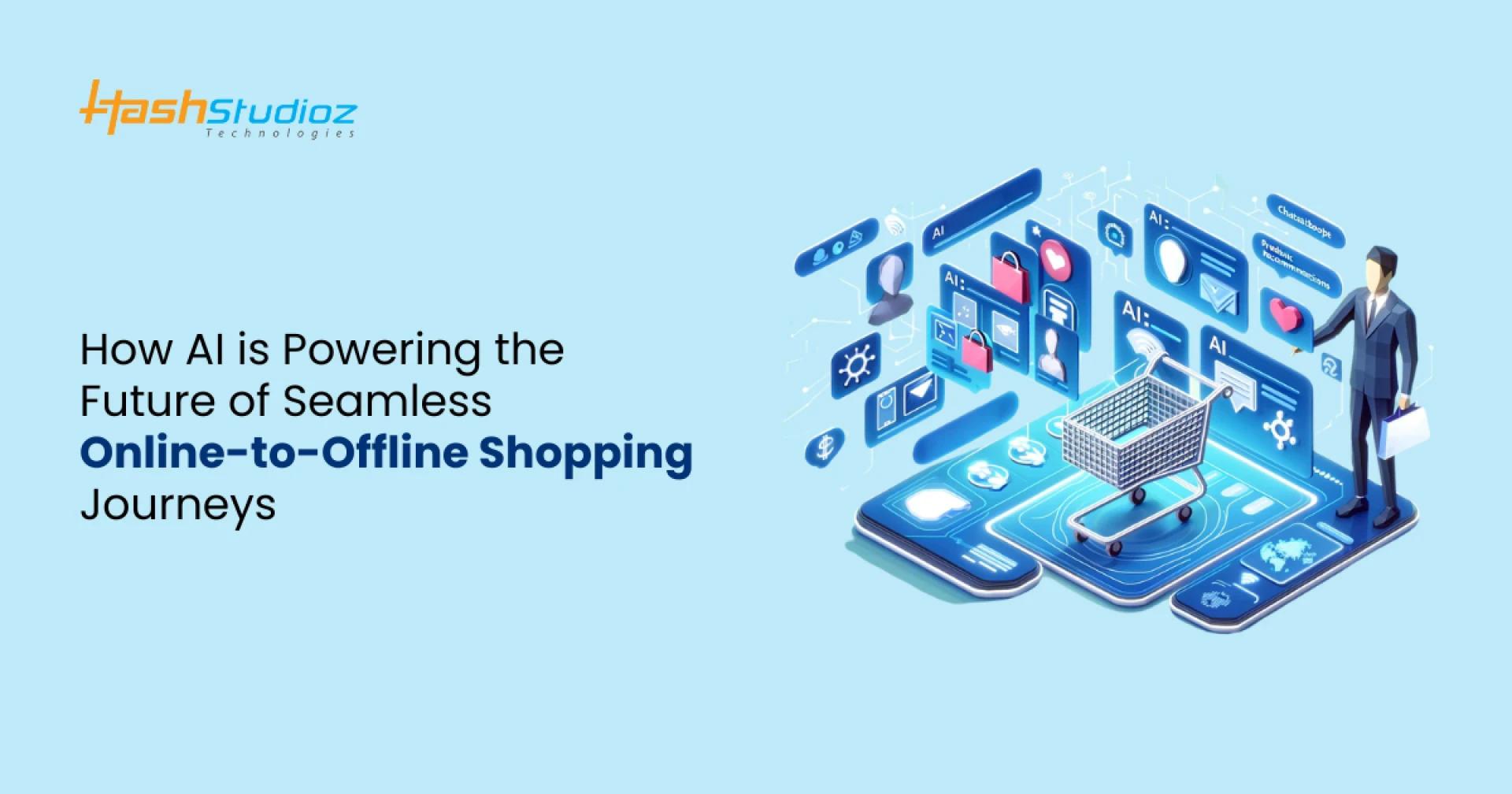
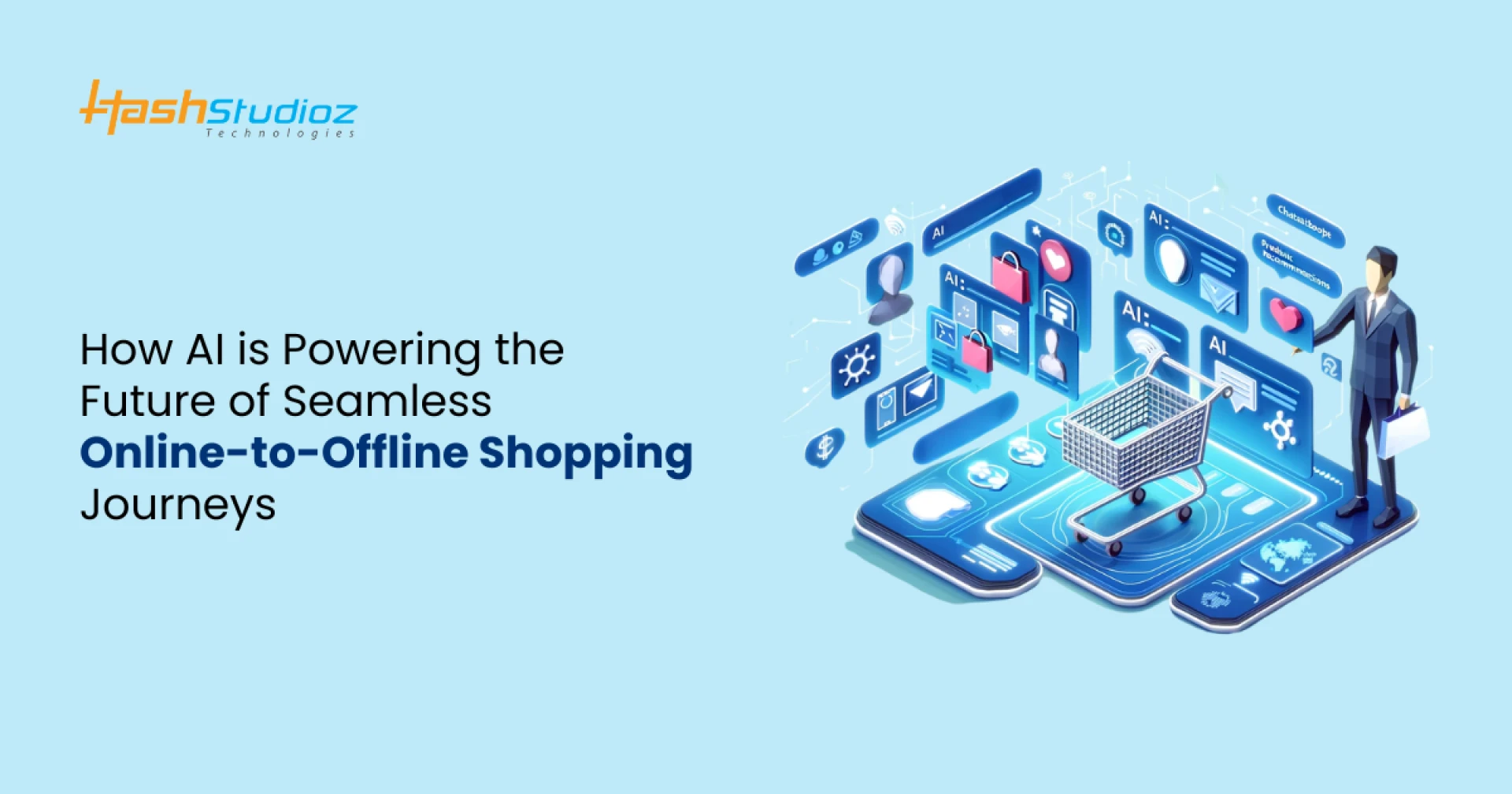
The retail industry is undergoing a massive transformation as consumers demand more convenience, personalization, and integration between online and offline shopping experiences. In this dynamic landscape, AI in retail is playing a pivotal role in bridging the gap between the digital and physical worlds. Retailers are leveraging AI services and ML services to create personalized, efficient, and seamless shopping journeys for their customers.
In this blog, we'll explore how AI is powering the future of retail by combining the best of online and offline shopping experiences.
2. The Role of AI in Bridging Online and Offline Retail
AI is revolutionizing how consumers interact with brands both online and in physical stores. Traditionally, online shopping has been more convenient, while offline shopping offered a tactile and personal experience. However, AI enables the integration of these two worlds, creating a frictionless online-to-offline journey that improves both customer satisfaction and sales.
AI enables retailers to track customer behavior across both channels, ensuring they can provide personalized experiences whether shoppers are browsing on their smartphones or in-store. Retailers can use data from online interactions, like browsing patterns, to customize in-store offerings and vice versa.
3. Key AI Technologies Revolutionizing Retail Services
Several AI technologies are helping to bridge the gap between online and offline shopping. Some of the most important include:
- AI-powered chatbots: These virtual assistants help customers find products, answer questions, and provide personalized recommendations across online platforms.
- Computer vision: Used for scanning and analyzing in-store behavior, helping retailers optimize store layouts, predict trends, and manage inventory in real-time.
- Voice search and recognition: AI-powered voice assistants, like those in apps and physical stores, help customers make purchases, check stock availability, and navigate stores without physical interaction.
- Predictive analytics: By analyzing vast amounts of data, AI predicts consumer behavior and stock trends, allowing retailers to better manage both online and offline stock.
These technologies make retail services more responsive, predictive, and tailored to consumer needs, enhancing both online and offline shopping experiences.
4. How AI Services Enhance the Customer Experience
AI is transforming how retailers deliver exceptional customer experiences. Here's how
AI services help brands meet the ever-evolving demands of modern shoppers:
- Personalized recommendations: AI analyzes customer preferences and browsing behavior to deliver tailored product suggestions, improving both online and in-store experiences.
- Efficient inventory management: With AI, retailers can optimize stock levels by predicting demand trends, ensuring customers can find their preferred products both online and offline.
- Virtual fitting rooms and try-ons: AI-powered apps allow customers to try products virtually before purchasing, enhancing the online shopping experience and influencing in-store purchases.
- Frictionless payments: AI-powered payment systems, like facial recognition and smart checkout solutions, reduce wait times and make transactions smoother in both online and offline settings.
5. The Growing Role of ML Services in Retail
Machine learning (ML) is a key component of AI that helps retailers enhance customer experiences. By analyzing vast amounts of data, ML services uncover patterns and trends that would be difficult for humans to spot. Some key uses of ML in retail include:
- Dynamic pricing: ML algorithms can analyze competitor prices, demand trends, and customer behavior to adjust pricing in real-time, offering the best deals to consumers both online and in-store.
- Customer sentiment analysis: ML tools analyze customer reviews, social media posts, and in-store feedback to gauge sentiment and tailor marketing efforts accordingly.
- Optimized product recommendations: ML services enhance the personalization of product suggestions based on both past purchases and browsing history.
6. The Future of Retail App Development Services
Retail app development is at the forefront of blending online and offline shopping experiences. App development services are integrating more AI-driven features to create seamless experiences for consumers. Here’s how apps are evolving:
- Augmented Reality (AR): Retail apps now integrate AR features that allow consumers to visualize products in their homes before buying them.
- Location-based services: AI-powered apps use geolocation to offer personalized in-store promotions or product availability updates when customers are near a store.
- Real-time stock updates: AI and app development services enable shoppers to check the availability of items in both online and physical stores in real-time.
Retail apps are becoming more than just purchasing platforms; they are transforming into personalized shopping assistants that bridge the gap between online and offline worlds.
7. Benefits of AI in Seamless Online-to-Offline Shopping
AI provides numerous benefits that empower retailers to create a cohesive experience across both digital and physical shopping channels:
- Personalization: AI helps retailers deliver targeted, personalized experiences for shoppers regardless of where they shop—whether online or in-store.
- Increased efficiency: With AI, retailers can better predict demand, manage stock levels, and streamline logistics, reducing delays and improving availability.
- Enhanced customer loyalty: Offering consistent and personalized experiences across both online and offline environments strengthens customer loyalty and satisfaction.
- Higher sales conversions: AI enhances product recommendations and customer engagement, leading to higher conversion rates both online and offline.
As AI continues to evolve, these benefits will become even more pronounced, making the online-to-offline shopping journey smoother and more enjoyable for consumers.
8. Conclusion
AI in retail is the key to bridging the gap between online and offline shopping, creating a seamless and personalized experience for consumers. From AI in retail powered apps to ML services and predictive analytics, retailers are increasingly relying on these technologies to deliver better, more efficient shopping experiences. As the future of retail continues to unfold, AI in retail's role in shaping online-to-offline journeys will only grow, ensuring that both consumers and retailers benefit from these innovations.
9. Frequently Asked Questions (FAQ)
How is AI transforming the customer experience in retail?
AI is transforming the customer experience by providing personalized recommendations, improving product search and discovery, optimizing inventory management, and enhancing the in-store and online experience through technologies like chatbots, voice recognition, and virtual fitting rooms.
What are some examples of AI-powered services in retail?
Examples of AI-powered services include personalized shopping experiences through chatbots, virtual try-ons using augmented reality, smart inventory management systems, and predictive analytics that help retailers forecast trends and customer demand.
How does machine learning contribute to retail?
Machine learning helps retailers by analyzing customer data to predict behavior, optimize pricing, improve stock levels, and provide personalized product recommendations, enhancing both online and offline shopping experiences.
What role do retail apps play in online-to-offline shopping?
Retail apps integrate AI features such as augmented reality, location-based services, and real-time stock updates to bridge the gap between online and offline shopping, providing consumers with a seamless and personalized shopping experience.
What are the future trends of AI in retail?
The future of AI in retail includes more advanced personalization through deeper customer data analysis, enhanced virtual shopping experiences using AR and VR, dynamic pricing strategies, and further integration of online and offline shopping environments.






Sign in to leave a comment.