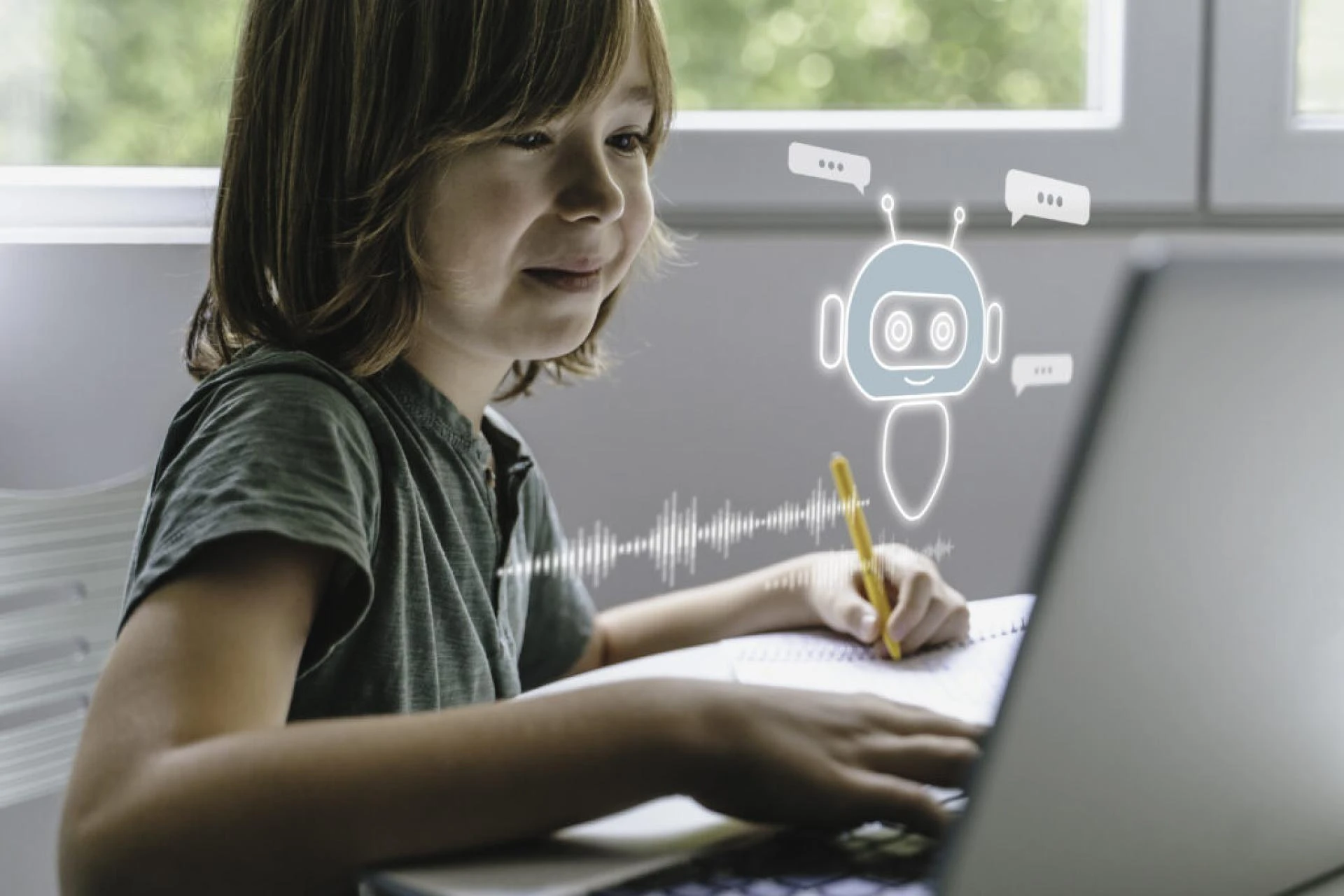

AI algorithms are actively studying your child's every click, swipe, and pause online, building detailed profiles to influence their thoughts and behaviors. This reality affects millions of parents who want to protect their kids from sophisticated digital manipulation tactics designed to capture young minds.
This guide is for concerned parents who need to understand how AI algorithms will target your child's mind and want practical solutions to fight back.
We'll explore how AI systems secretly track your child's digital footprint and manipulate content to shape their preferences. You'll discover the real impact this targeting has on your child's developing brain and emotions. Finally, we'll show you how TheOneSpy parental control app and other protective measures can shield your family from these AI-driven threats.
Your child's mental well-being depends on staying ahead of these algorithms that treat young minds as data points to exploit.
Understanding How AI Algorithms Track Children's Digital Behavior
Data Collection Methods AI Uses to Monitor Kids Online
AI algorithms continuously track children's every click, tap, and scroll through sophisticated data collection methods. These systems monitor browsing history, search queries, time spent on content, and interaction patterns to build detailed behavioral profiles. Machine learning models analyze keystroke patterns, mouse movements, and even how long children pause before clicking, creating psychological fingerprints that reveal preferences, emotions, and decision-making patterns.
Popular Platforms Where Children's Information Gets Harvested
Social media platforms like TikTok, Instagram, and YouTube collect massive amounts of data from young users through likes, comments, shares, and viewing duration. Gaming platforms gather behavioral data through in-game purchases, chat logs, and play patterns. Educational apps and websites also harvest learning preferences, attention spans, and academic struggles, often sharing this sensitive information with third-party advertisers and data brokers.
Psychological Profiling Techniques That Target Young Minds
AI systems create detailed psychological profiles by analyzing emotional responses to different content types, identifying vulnerability windows when children are most susceptible to influence. These algorithms detect mood patterns, stress levels, and self-esteem fluctuations through engagement metrics and social interactions. Advanced profiling techniques map personality traits, peer influence susceptibility, and impulse control levels, enabling precise targeting of content designed to trigger specific emotional and behavioral responses in developing minds.
Hidden Dangers of AI-Driven Content Manipulation for Children
Personalized Content That Exploits Developmental Vulnerabilities
AI systems analyze children's cognitive patterns to deliver content that bypasses their developing critical thinking skills. These algorithms identify emotional triggers and exploit them through personalized narratives that feel irresistibly engaging. Young minds struggle to recognize manipulation when content feels specially crafted for them, making resistance nearly impossible.
Addiction-Inducing Recommendation Systems Designed for Kids
Tech platforms use sophisticated AI to create digital dopamine loops that keep children scrolling endlessly. The algorithms learn exactly when kids feel bored, sad, or excited, then deliver perfectly timed content hits. Each recommendation strengthens the neural pathways associated with digital dependency, rewiring young brains for constant stimulation.
Social Media Algorithms That Amplify Peer Pressure and FOMO
Social platforms weaponize comparison through AI-driven feeds that highlight what children are missing. The algorithms prioritize content showing peers having fun, looking perfect, or achieving social milestones. This creates artificial urgency and inadequacy feelings, pushing kids to spend more time online seeking validation and connection.
Gaming AI That Maximizes Screen Time and In-App Purchases
Gaming companies deploy AI that studies player behavior to identify the perfect moments for frustration and reward. The systems track spending patterns, emotional states, and play habits to optimize monetization. Children face carefully crafted psychological pressure through limited-time offers, progress barriers, and social features designed to extract maximum engagement and money.
Real-World Impact of AI Targeting on Child Development
Documented Cases of Algorithm-Induced Behavioral Changes
Research shows children exposed to aggressive AI-targeted content experience significant behavioral shifts within weeks. Studies document increased impulsivity, shortened attention spans, and heightened aggression in kids aged 8-14. One landmark study tracked 2,000 children for six months, revealing 67% developed compulsive device-checking behaviors after algorithm exposure. These changes persist even when digital exposure decreases, suggesting long-term neurological adaptation.
Academic Performance Decline Linked to AI-Driven Distractions
Schools nationwide report dramatic grade drops correlating with increased social media algorithm engagement. Math scores declined 23% among students spending over three hours daily on algorithm-fed platforms. Teachers observe students struggling to focus during lessons, constantly seeking the dopamine hits algorithms provide. Reading comprehension suffers as children become conditioned to rapid-fire, bite-sized content delivery instead of sustained concentration.
Mental Health Consequences of Constant Digital Manipulation
Pediatric psychologists document rising anxiety and depression rates directly linked to AI targeting. Children develop unrealistic self-expectations based on curated content algorithms push toward them. Sleep disorders increase 40% among heavy algorithm-exposed youth, as recommendation systems exploit psychological vulnerabilities. Self-esteem plummets when children compare themselves to algorithmically-enhanced content, creating lasting emotional damage requiring professional intervention.
How TheOneSpy Parental Control App Protects Against AI Targeting
Advanced Monitoring Features That Detect Manipulative Content
TheOneSpy AI detection technology scans social media feeds, video platforms, and gaming apps to identify manipulative content targeting children. The system recognizes psychological triggers, addictive design patterns, and personalized recommendations that exploit young minds. Parents receive detailed reports showing which algorithms are actively targeting their child's interests, browsing habits, and emotional responses across all digital platforms.
Real-Time Alerts for Suspicious AI-Driven Activity
Parents get instant notifications when their child encounters predatory algorithms or manipulative content. TheOneSpy monitors engagement patterns, flagging unusual viewing times, repetitive content loops, and emotional manipulation tactics. The app sends immediate alerts for dark pattern interfaces, excessive microtransaction prompts, and content designed to bypass parental controls, allowing quick intervention before psychological damage occurs.
Comprehensive Screen Time Controls to Limit Algorithm Exposure
TheOneSpy provides granular control over when and how children interact with algorithm-driven platforms. Parents can set specific time limits for social media, gaming, and video streaming, preventing extended exposure to manipulative content. The app automatically pauses sessions when AI systems detect addictive engagement patterns, breaking the psychological hooks that keep children scrolling endlessly through targeted content.
Content Filtering That Blocks AI-Targeted Advertisements
The app's advanced filtering system blocks personalized ads, sponsored content, and targeted marketing campaigns designed to manipulate children's purchasing decisions. TheOneSpy identifies and removes age-inappropriate advertisements, predatory marketing tactics, and content that exploits children's psychological vulnerabilities. Parents can customize filtering levels based on their child's age, maturity, and specific concerns about commercial manipulation.
Essential Steps Parents Can Take to Safeguard Their Children
Setting Up Effective Digital Boundaries Using Parental Controls
Modern parental control app like TheOneSpy provide comprehensive monitoring and filtering capabilities that block AI-driven content manipulation before it reaches your child. Configure screen time limits, content filters, and app restrictions across all devices. Monitor social media interactions, track browsing history, and receive real-time alerts when suspicious AI-generated content appears. Regular audits of your child's digital footprint help identify patterns of algorithmic targeting and adjust protection settings accordingly.
Teaching Children to Recognize AI Manipulation Tactics
Children need practical skills to identify when algorithms are influencing their choices. Show them how personalized ads work, explain why certain videos appear in their feeds, and demonstrate how AI creates echo chambers. Role-play scenarios where they encounter manipulative content and practice critical thinking questions: "Why am I seeing this now?" and "Who benefits from my attention?" Create open conversations about digital literacy that make spotting AI manipulation feel like a game rather than a lecture.
Creating Tech-Free Zones That Promote Healthy Development
Establishing physical and temporal boundaries protects children from constant algorithmic exposure. Designate bedrooms, dining areas, and study spaces as device-free zones where natural social interactions can flourish. Implement daily "digital sunsets" where all screens turn off two hours before bedtime. Schedule regular outdoor activities, board game nights, and creative projects that compete with the dopamine hits from AI-curated content. These analog experiences help children develop authentic interests independent of algorithmic suggestions.
Conclusion:
AI algorithms are getting smarter at reading your child's digital footprint, and they're using that data to shape what your kids see and think online. From tracking their clicks and search history to pushing carefully crafted content that hooks their attention, these systems can influence young minds in ways we're only beginning to understand. The effects go beyond just screen time – they can impact how children develop their sense of identity, form opinions, and relate to the world around them.
Parents don't have to feel helpless against these invisible forces. Tools like TheOneSpy give you the power to see what's happening on your child's devices and take control of their digital environment. Start by having honest conversations with your kids about how algorithms work, set up proper monitoring and filtering systems, and create tech-free zones where real-world connections can flourish. Your child's developing mind deserves protection from manipulation – and with the right approach, you can give them the safe digital space they need to grow.
Sign in to leave a comment.