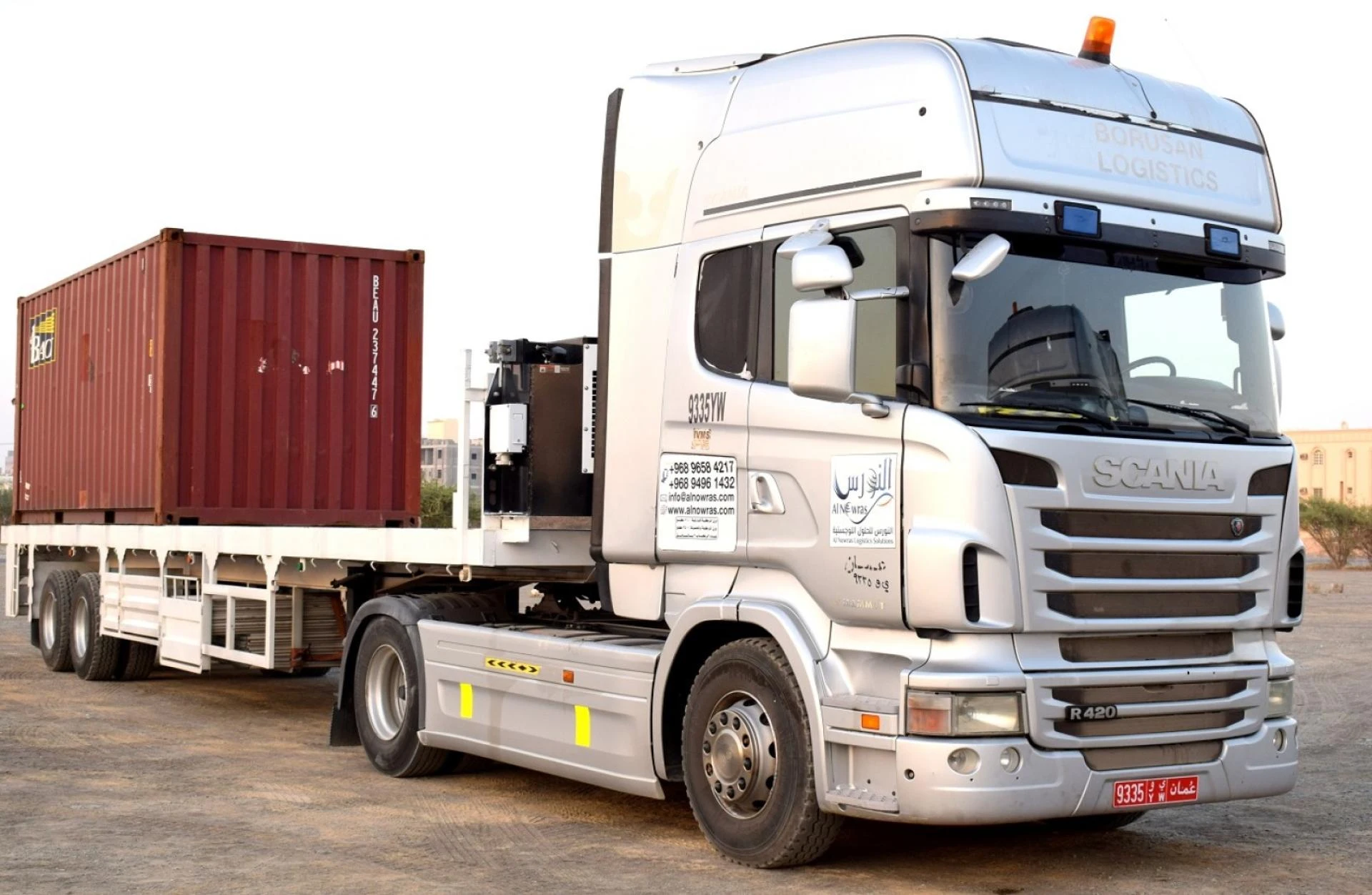

In today\'s globalized environment, the movement of goods forms the backbone of supply chain management. Ensuring the safe and secure arrival of products is paramount for businesses aiming to maintain customer satisfaction and safeguard their reputation. One method the company can utilize to achieve this objective is bonded transport. This article will delve into the advantages of bonded transport and why it\'s a crucial consideration for businesses operating in logistics and freight forwarding.
Heightened Security Protocols:
Bonded transport involves the movement of goods under a customs bond, signifying they are under the watchful eye of customs authorities until reaching their final destination. This elevated level of oversight provides an extra layer of security throughout the transportation process. By guaranteeing adherence to customs regulations and preventing unauthorized access to goods, bonded transportation helps mitigate the risk of theft, tampering, or other security breaches.
Bonded Transport in Logistics and Freight Forwarding:
Within the realm of logistics and freight forwarding, the concept of bonded transport holds particular significance. It refers to the movement of goods that are secured in a bonded warehouse or transported under customs supervision until specific obligations, like duties or taxes, are fulfilled. This allows businesses to defer customs clearance procedures until the goods reach their intended destination, offering increased flexibility in managing inventory and optimizing supply chain efficiency.
Streamlined Customs Clearance and Compliance:
One of the key benefits of bonded transport is its ability to facilitate customs compliance and expedite clearance procedures. By transporting goods under a customs bond, businesses can defer the payment of duties and taxes until the goods are released for domestic consumption. This can help streamline the import process, reduce administrative burdens, and expedite the movement of goods across international borders. Additionally, bonded transport allows for the consolidation of shipments, further optimizing logistics operations and minimizing delays.
Risk Mitigation and Financial Advantages:
Bonded transport offers inherent risk mitigation benefits for businesses involved in international trade. By leveraging bonded warehouses and customs supervision, companies can reduce the financial risks associated with importing and exporting goods. For instance, goods stored in bonded warehouses are not subject to import duties or taxes until they are released for consumption, allowing businesses to defer these payments and improve cash flow management. Furthermore, bonded transport can help mitigate the risk of non-compliance with customs regulations, avoiding potential penalties or delays in the supply chain.
Flexibility in Inventory Management:
Another advantage of bonded transport is its flexibility in inventory management. By storing goods in bonded warehouses, businesses can maintain greater control over their inventory levels and distribution networks. This allows for strategic stockpiling of goods to meet fluctuating demand patterns or capitalize on market opportunities. Additionally, bonded transport enables companies to perform value-added services, such as labeling, packaging, or quality control inspections, within the confines of the bonded facility, further optimizing supply chain operations.
In-Transit Bonded Transport:
In-transit bonded transport refers to the movement of goods under customs supervision from one customs territory to another without undergoing customs clearance at intermediate points. This can be particularly advantageous for businesses involved in cross-border trade or transshipment activities. By utilizing in-transit bonded transport, companies can expedite the movement of goods through multiple jurisdictions while minimizing customs formalities and administrative complexities.
Fostering International Trade:
Bonded transport plays a crucial role in facilitating international trade by simplifying customs procedures and reducing trade barriers. By providing a secure and controlled environment for the movement of goods, bonded transport encourages greater trade flows and fosters economic growth. This is especially important in today\'s interconnected global economy, where efficient supply chain management is essential for businesses to remain competitive in the marketplace.
Final Thoughts:
In conclusion, bonded transport offers a range of benefits for businesses seeking to ensure the safe and secure delivery of goods. From heightened security measures and customs compliance to risk mitigation and flexibility in inventory management, bonded transport provides a strategic advantage for companies operating in logistics and freight forwarding. By leveraging the advantages of bonded transport, businesses can streamline their supply chain operations, minimize risks, and drive sustainable growth in an increasingly complex and dynamic global marketplace.






















Sign in to leave a comment.