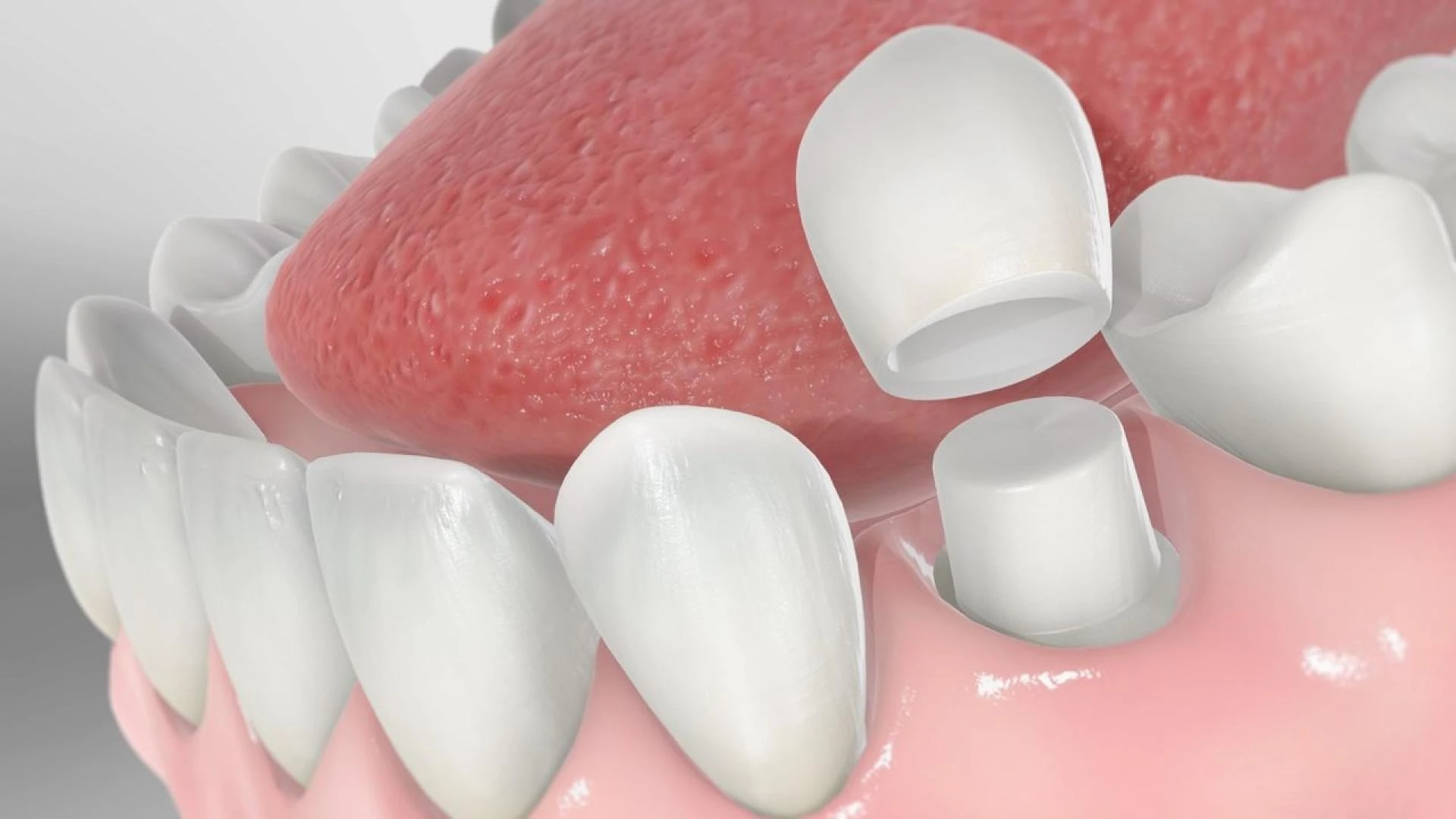

When a Crown Is Indicated
A prosthetic crown restores a tooth that has extensive decay, fracture or wear or that requires protection after endodontic therapy. It also improves contours for hygiene, corrects occlusal contacts and redistributes forces to prolong the life of the tooth and adjacent structures.
Preparation That Preserves Structure
Modern preparations follow minimal-reduction principles guided by enamel thickness, restorative material and occlusion. The goal is ferrule and retention with the least dentin sacrifice. Magnification, depth-cutting burs and caries detector dyes help confirm conservative reduction and margin clarity. Save on your dental care with affordable dentist Whyalla—Learn more here!
Material Choices and Fit
Lithium disilicate, monolithic zirconia and high-noble metal-ceramics each offer distinct strength, wear behavior and translucency. Selection considers bite forces, parafunction, esthetic zone and opposing dentition. Precise marginal fit remains critical; poor adaptation raises risks of recurrent caries and periodontal inflammation.
Digital Impressions and CAD/CAM
Intraoral scanning removes tray distortions, shortens chair time and increases accuracy at finish lines. CAD/CAM workflows enable same-day or laboratory-fabricated crowns with consistent milling tolerances. Digital records also simplify remakes and monitor occlusal changes over time.
Cementation and Seal
Adhesive resin cements enhance retention for short crowns and strengthen brittle ceramics through bonding. Glass ionomer cements offer fluoride release and tolerance to moisture. Isolation, surface treatment and proper seating pressure ensure a sealed interface that resists leakage.
Occlusion and Function
Accurate contacts protect the pulp and tem porom and ibular joints. Selective adjustment distributes load across cusp inclines and central fossae. For bruxers, night guards prevent microfracture and ceramic chipping, extending service life.
Periodontal Health and Maintenance
Well-contoured emergence profiles allow plaque control without impinging on the biologic width. Polished margins and inter proximal access support flossing and inter dental brushes. Patients benefit from routine recall, bite assessments and targeted home care instructions.
Longevity and Risk Management
Crowns reduce fracture rates, restore chewing efficiency and defer extraction. Risks include secondary caries, debonding, root fracture and material wear. Risk drops with caries control, bite appliances for parafunction and timely repair of chips or open contacts.
Cost and Value
Though an investment, a durable crown prevents more invasive treatment, maintains arch stability and supports future restorative plans, including bridges and implants. Measured against replacements and discomfort, it offers strong lifetime value. Insurance benefits vary, but phased treatment plans can align budgets without compromising clinical priorities and timelines effectively.
Author Bio: -
Ansley has 12 years of experience in the dental world. You can find his thoughts at dental benefits blog.











Sign in to leave a comment.