

When people think about improving their health and wellness, they often imagine dramatic changes—strict diets, intense workouts, or complicated routines. But real, lasting health is rarely built through extremes. Instead, it’s shaped quietly, day by day, through simple healthy habits that don’t demand attention but deliver powerful results over time.
The most effective changes are often the ones you barely notice at first. These habits work silently in the background, supporting your immune system, mental wellness, energy levels, and overall wellbeing.
In this article, we’ll explore four habits that quietly stabilize your health—habits that are sustainable, science-backed, and deeply impactful without feeling overwhelming.

Why Quiet Habits Matter More Than Loud Health Trends
Health trends come and go. One month it’s detox diets, the next it’s extreme fasting or intense fitness challenges. While these approaches may offer short-term results, they rarely support long-term health.
Quiet habits work because they:
- Reduce stress instead of increasing it
- Support consistency over motivation
- Improve multiple systems at once
- Fit naturally into daily life
These habits stabilize health gradually, protecting you from burnout, illness, and imbalance.
Habit 1: Consistent Sleep Timing
One of the most overlooked healthy lifestyle habits is consistent sleep timing—not just sleep duration.
Sleeping and waking at roughly the same time every day helps regulate:
- Circadian rhythm
- Hormonal balance
- Metabolism
- Immune function
- Mental clarity
Even if you sleep enough hours, irregular sleep timing can disrupt your body’s internal clock and quietly damage your health.
Why Consistent Sleep Timing Stabilizes Health
Your body thrives on rhythm. When sleep timing is consistent, your body knows when to:

- Release sleep hormones
- Repair tissues
- Regulate appetite hormones
- Strengthen immunity
Over time, this habit:
- Improves energy levels
- Reduces inflammation
- Supports mental wellness
- Enhances focus and mood
This is one of the most powerful daily wellness habits—and it requires no extra effort once established.
How to Build This Habit Naturally
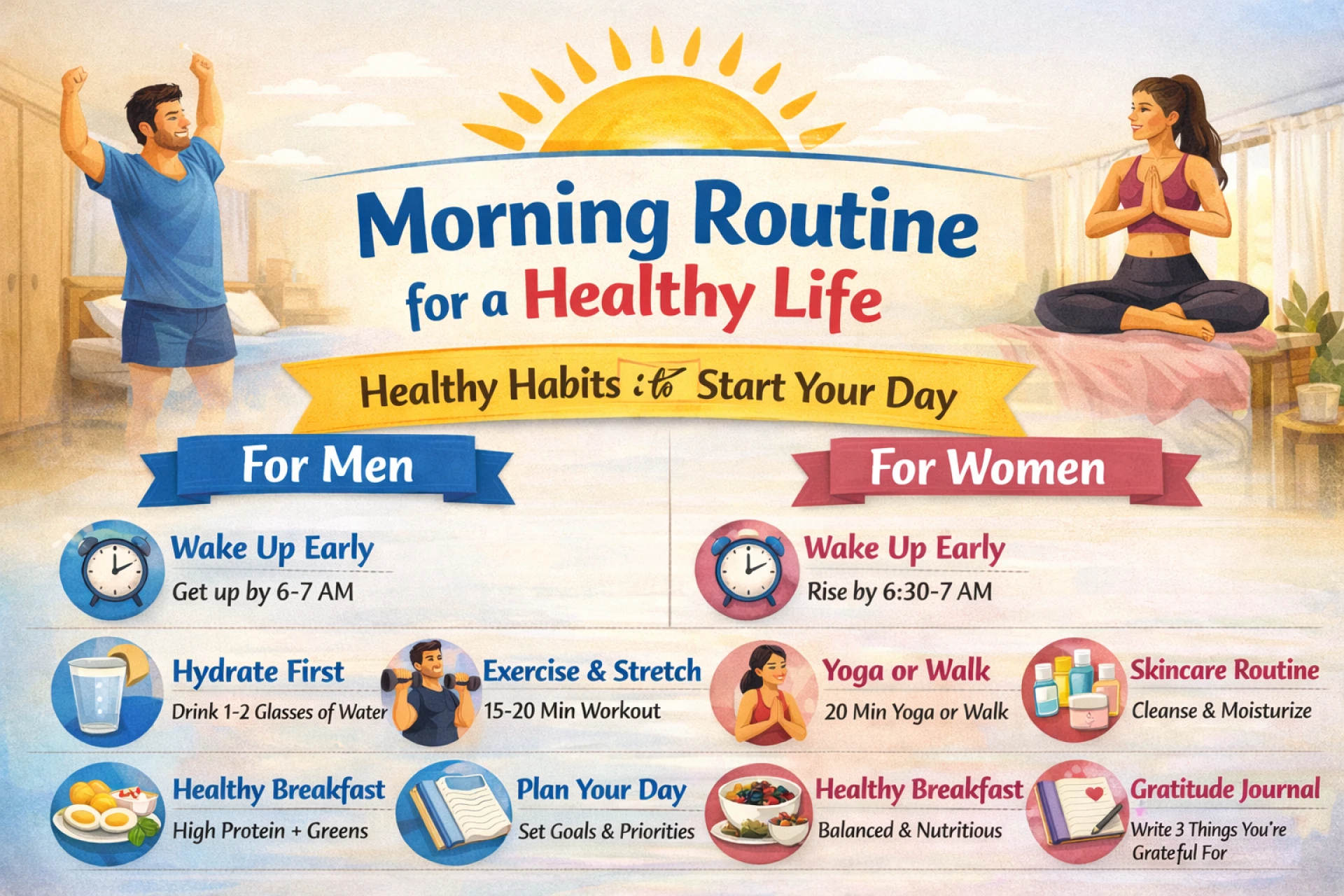
- Go to bed within the same 30–60 minute window each night
- Wake up at a consistent time, even on weekends
- Reduce screen exposure before sleep
- Create a calming nighttime routine
This habit quietly strengthens your health without demanding willpower.
Habit 2: Eating Regular, Balanced Meals
Skipping meals, irregular eating, or extreme dieting can silently destabilize health—even if weight changes aren’t obvious at first.
Eating balanced meals at regular times supports:
- Blood sugar stability
- Digestive health
- Energy consistency
- Hormonal balance
This habit doesn’t require dieting—it requires rhythm.
Why Regular Meals Support Long-Term Wellness
When meals are unpredictable, the body enters a stress response:
- Blood sugar spikes and crashes
- Cravings increase
- Energy fluctuates
- Digestion weakens
Regular meals stabilize:
- Metabolism
- Gut health
- Mental focus
- Immune response
Over time, this habit quietly prevents fatigue, weight gain, and chronic inflammation.
How to Practice Balanced Eating Simply
- Eat 3 main meals at consistent times
- Include protein, fiber, and healthy fats
- Avoid long gaps between meals
- Eat slowly and mindfully
This is one of the most underrated health and wellness habits—simple but powerful.
Habit 3: Daily Low-Intensity Movement
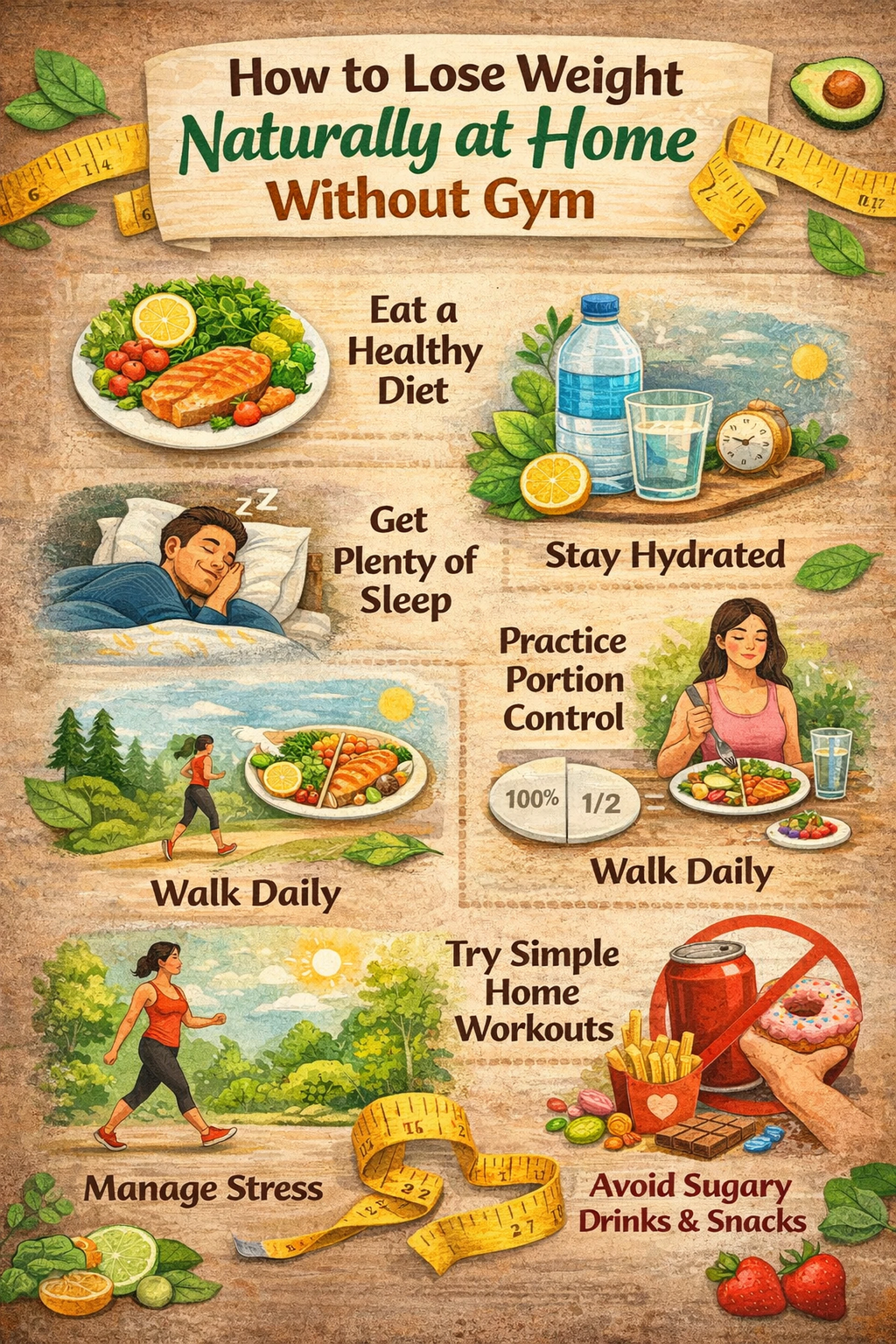
You don’t need intense workouts to stay healthy. In fact, daily low-intensity movement often stabilizes health more effectively than occasional intense exercise.
Examples include:
- Walking
- Stretching
- Gentle yoga
- Mobility exercises
This habit supports physical health without stressing the nervous system.
Why Gentle Daily Movement Works So Well
Low-intensity movement:
- Improves circulation
- Supports joint health
- Enhances digestion
- Reduces stress hormones
- Boosts energy levels
Unlike intense workouts, it doesn’t trigger excessive fatigue or inflammation. Instead, it gently keeps the body active and resilient.
This habit quietly protects against:
- Stiffness
- Poor circulation
- Sedentary lifestyle risks
- Mental fatigue
How to Make Movement Automatic
- Walk for 20–30 minutes daily
- Stretch in the morning or evening
- Take movement breaks during the day
- Focus on consistency, not intensity
Daily movement doesn’t need motivation—it just needs routine.

Habit 4: Daily Stress Regulation
Stress doesn’t always show up as anxiety. Often, it appears silently as:
- Poor digestion
- Low immunity
- Fatigue
- Sleep problems
- Mood imbalance
Daily stress management is one of the most important habits for stabilizing health.
Why Stress Regulation Is Essential for Health
Chronic stress increases cortisol, which affects:
- Immune system
- Blood sugar levels
- Sleep quality
- Digestion
- Mental wellness
Regulating stress daily—even in small ways—protects your body from long-term damage.
Simple Ways to Regulate Stress Daily
- Deep breathing for 5 minutes
- Short mindfulness practices
- Quiet walks
- Limiting constant notifications
- Gentle stretching
These practices calm the nervous system and support overall wellbeing without requiring major lifestyle changes.
How These Four Habits Work Together
These habits don’t work in isolation. Together, they create stability across all major health systems:
- Sleep timing supports hormones and immunity
- Regular meals stabilize metabolism and energy
- Daily movement supports circulation and digestion
- Stress regulation protects mental and physical balance
This synergy is why these habits quietly—but powerfully—stabilize health.
Why These Habits Are Sustainable Long-Term
Unlike extreme health trends, these habits:
- Don’t rely on motivation
- Don’t require expensive tools
- Don’t disrupt daily life
- Don’t cause burnout
They blend into your routine and gradually raise your baseline health.
Common Mistakes That Disrupt Health Stability
Even with good intentions, people often:
- Sleep at inconsistent times
- Skip meals
- Exercise only occasionally
- Ignore daily stress
Avoiding these patterns helps maintain long-term balance.
How Long Does It Take to Feel the Benefits?
With consistency:
- Better energy in 7–10 days
- Improved sleep in 2 weeks
- Better digestion in 2–3 weeks
- Improved mood and focus in 3–4 weeks
Quiet habits work steadily, not instantly—but their impact lasts.
Who Benefits Most from These Habits?
These habits are ideal for:
- Busy professionals
- People managing stress
- Anyone seeking sustainable wellness
- Those tired of extreme health trends
They meet you where you are.
How to Start Without Overwhelm
Start with just one habit:
- Fix sleep timing
- Eat regular meals
- Walk daily
- Practice 5 minutes of calm
Add others gradually. Health stability grows layer by layer.
Final Thoughts
Health doesn’t always change loudly. Often, it improves quietly—through habits you barely notice once they become part of your life.
These four habits that quietly stabilize your health don’t demand perfection or extreme effort. They simply support your body the way it naturally wants to function.
When practiced consistently, they build resilience, energy, balance, and long-term wellness—without stress or burnout.




Sign in to leave a comment.