
Are you planning your dream home this year? Building a home is an important decision where every choice plays a key role. It requires time and resources to find the perfect layout, high-quality materials, and colours that reflect your personal style. From the foundation to the finishing touches, every corner deserves thoughtful planning.
But is everything in balance for your well-planned home?
Sometimes, even when you’ve planned every last detail, a room can still feel a little off. The missing piece is often a balanced touch. Your home becomes organised, welcoming and effortless when all elements work together.
What Does Interior Balance Really Mean
Getting that 'dream home' vibe depends on balance. This turns a simple space into a much organised and classy one. It spreads the visual weight strategically so no part of the home feels too heavy or empty. When you’re building a home, you just want everything to feel right.
It is important to understand that balance is not just about symmetry. You don’t always need a pair of matching lamps or identical chairs to make a room look good. Instead, it is about how different pieces complement each other. It involves looking at the size, colour and placement of items to ensure they support each other rather than competing for attention.
Effective Ways to Design a Balanced Home
In this blog, you will discover some smart ways to maintain balance in your home.
- Balance Furniture Layout
The way you arrange your furniture sets the tone for the entire room. Avoid crowding one side with heavy pieces, as it leaves the rest of the room feeling hollow. To create a sense of stability, try to spread the visual weight evenly across the space.
Effective Tips
- Leave enough space for natural movement to walk easily
- Place larger items first, then fill the gaps with smaller pieces
- Leave some space open to make the room feel airy
A well-planned layout allows the eyes to travel around the room comfortably. This flow makes the space feel more intentional and welcoming for everyone who enters.
- Balance Shapes and Sizes
A space becomes dull if all the furniture is almost similar in size and height. Contrast is a great tool for adding character while maintaining balance. Consider placing a tall bookshelf near a low-profile sofa or pairing a round coffee table with a rectangular rug. With the proper plan, you can create visual interest to make the space complete rather than boring.
Quick Hacks
- Use a mix of high and low elements to draw the eye up and down
- Combine large statement pieces with small and soft accessories
- Vary the shapes of your furniture to break up harsh lines
- Balance Colours and Tones
Colour has a huge impact on how you relate to your space. While bold shades can add personality, adding too much in one spot feels chaotic. On the other hand, a room filled only with neutrals might feel a little dull.
What’s the solution then? Try to find a middle ground to keep the colour flow consistent.
If you have a bright feature wall, try to balance it with softer-toned rugs or curtains. If your furniture is very dark, light-coloured walls can help lift the mood. Using tones smartly ensures that one side does not feel heavier than the other.
- Balance Materials and Textures
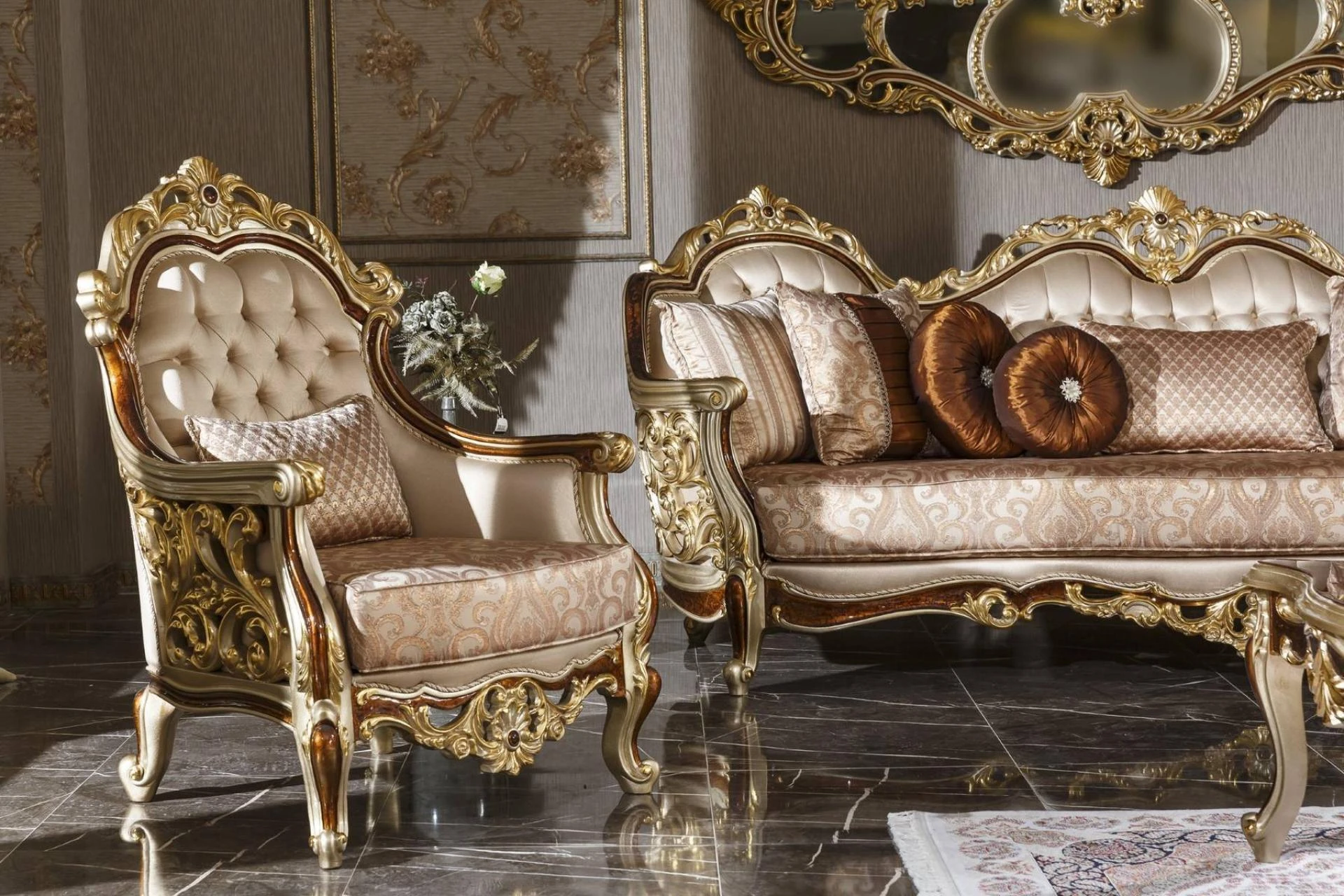
A beautiful home often feels rich because of the materials used within it. Combining different textures like wood, stone, fabric and glass adds a sense of depth. However, using too much of one material can make a room feel a bit monotonous. For example, a room with only hard surfaces like metal and glass might feel cold.
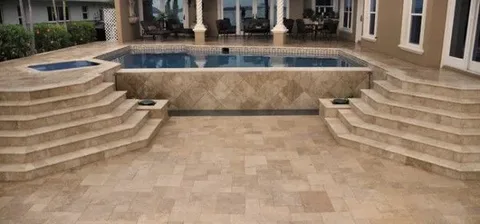
Adding materials like natural Limestone pavers alongside softer elements such as wood or fabric can create a well-balanced and inviting look. Adding a soft wool rug or some linen cushions can instantly make the space feel warm and balanced. Layering these different finishes create a home that feels tactile and interesting.
- Balance Flooring and Outdoor Connections
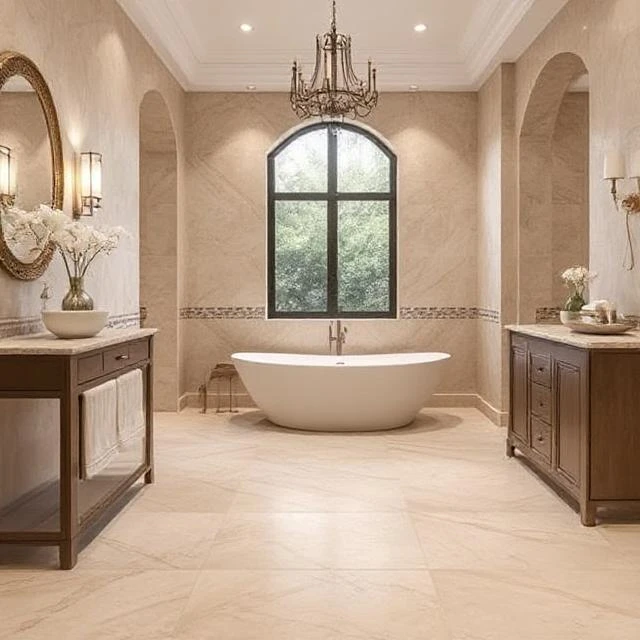
Well-planned flooring is a non-negotiable aspect of a balanced home. While furniture usually gets the most attention, what’s under your feet truly sets the mood. Choosing the right floors, like Limestone or Slate flooring tiles, creates a solid foundation for every room to feel harmonious. Focus on visual flow to highlight your style. If your furniture is bold or textured, a subtle slatestone can help those pieces stand out.
You can also make your home feel much larger by linking your indoor with your outdoor areas. Try using similar materials or colours on your patio to create a seamless transition. This simple step blurs the lines and makes your entire living area feel open, airy, and incredibly welcoming.
Key Design Ideas:
- Balance: Let neutral floors showcase your favourite furniture
- Flow: Use steady tones to keep the space feeling connected
- Expansion: Match indoor and outdoor textures to open up the view
Wrapping Up
After all, achieving balance often comes down to knowing when to step back. As they say, Less is More; which is why minimalist homes feel so appealing. Remember, balance is not about strict rules but about creating a space that feels comfortable, natural, and personalised. Take a pause and identify the missing spots in your space. Also, observe what could be removed. Once figured out, a well-balanced home comes together with ease.







Sign in to leave a comment.