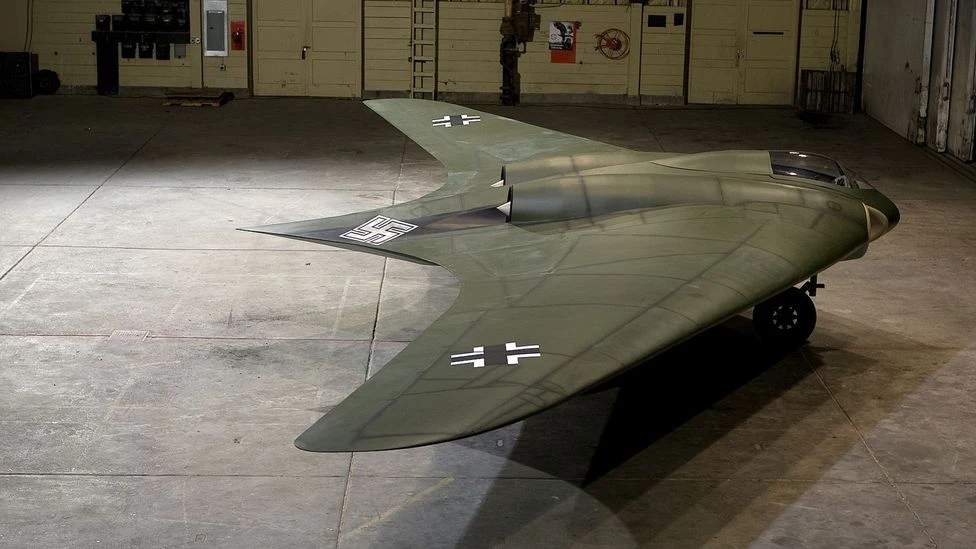

In the annals of aviation history, the German Flying Wing stands as a remarkable and innovative design that pushed the boundaries of conventional aircraft architecture. This revolutionary aircraft, often associated with the Horten brothers, represented a departure from the traditional fuselage-and-wing configuration, showcasing Germany's technological prowess during World War II. In this article, we delve into the origins, features, and legacy of the German Flying Wing, uncovering the groundbreaking concepts that shaped its design and its impact on aviation.
Origins and Pioneers
The roots of the German Flying Wing can be traced back to the early 20th century, when aviation pioneers like Hugo Junkers and the Horten brothers – Walter and Reimar – began experimenting with unconventional aircraft designs. The Horten brothers, in particular, played a pivotal role in conceptualizing and developing the flying wing concept. Their relentless pursuit of aerodynamic efficiency led to the creation of some of the most advanced and iconic flying wing prototypes.
Design Principles and Aerodynamics
The German Flying Wing's distinctive design was characterized by its seamless integration of the aircraft's fuselage and wings. This radical departure from conventional aircraft architecture was aimed at minimizing drag and enhancing overall performance. By eliminating the traditional tail section, the flying wing reduced both aerodynamic and structural inefficiencies. The seamless transition from fuselage to wing eliminated the drag-inducing tail section, resulting in reduced air resistance and improved fuel efficiency.
Aerodynamic Challenges and Solutions
While the flying wing concept offered numerous advantages, it also posed several aerodynamic challenges. The absence of a distinct tail section created stability and control issues. To address these concerns, German engineers incorporated advanced control surfaces and stabilization mechanisms. The resulting aircraft featured intricate wing geometries, including elevons, winglets, and wingtip rudders, which provided the necessary control authority and stability during flight.
Stealth and Strategic Significance
Beyond its aerodynamic benefits, the German Flying Wing possessed stealth characteristics that were ahead of its time. The absence of traditional vertical surfaces reduced radar cross-section, making the aircraft less detectable by enemy radar systems. This stealth advantage held immense strategic significance, as it could potentially give German forces a considerable edge in surprise attacks and reconnaissance missions.
Operational Implementations and Legacy
The German Flying Wing's operational implementations were limited during World War II due to various factors, including resource constraints and the evolving nature of the conflict. However, the knowledge gained from these prototypes laid the groundwork for future aircraft designs. Notably, the Horton Ho 229, one of the most advanced flying wing prototypes, showcased the potential of the concept. Although it never saw active combat, its legacy extended well beyond its time, influencing the development of subsequent generations of aircraft.
Modern Applications and Inspirations
Decades after World War II, the principles of the German Flying Wing continue to inspire aviation designers and engineers. The concept's emphasis on aerodynamic efficiency, reduced drag, and stealth characteristics has been incorporated into various modern aircraft designs, including stealth bombers and unmanned aerial vehicles (UAVs). The lessons learned from the flying wing's development have contributed to the evolution of aviation technology, enabling aircraft to achieve higher levels of performance and efficiency.
Challenges and Future Prospects
While the German Flying Wing revolutionized aircraft design, it also highlighted the complexity and challenges associated with unconventional configurations. Balancing stability, control, and efficiency remains a continuous endeavor in aircraft engineering. As researchers explore innovative concepts such as distributed propulsion and morphing wings, the lessons learned from the German Flying Wing's successes and limitations continue to guide the development of next-generation aircraft.
Conclusion
The German Flying Wing stands as a testament to human ingenuity and the pursuit of technological advancement in aviation. Its groundbreaking design principles, ahead-of-its-time stealth characteristics, and enduring legacy have left an indelible mark on the evolution of aircraft architecture. As aviation continues to evolve, the lessons learned from the German Flying Wing continue to inspire new generations of designers and engineers to push the boundaries of what is possible in the realm of flight.












Sign in to leave a comment.