

Understanding Authentication Methods: Securing Digital Identities
Authentication is the process of verifying the identity of a user or system before granting access to resources or sensitive information. With the increasing prevalence of cyberattacks and data breaches, ensuring robust authentication is critical to maintaining digital security. Various authentication methods have evolved to enhance the security of online systems and data. In this article, we'll explore some of the most common authentication methods, their benefits, and limitations.
1. Password-Based Authentication
Password-based authentication is the most widely used and traditional method of verifying identity. In this system, a user must enter a unique password to access an account or system. The security of this method depends on the strength and secrecy of the password. Strong passwords typically combine uppercase letters, lowercase letters, numbers, and special characters, making them more difficult for attackers to guess. However, despite being a simple and familiar method, password-based authentication has significant vulnerabilities. Passwords can be weak, reused across multiple platforms, or susceptible to brute-force attacks and phishing schemes. Users often struggle to remember complex passwords, leading to the use of insecure password management practices.
2. Biometric Authentication
Biometric authentication uses unique biological traits to verify a person’s identity. Common biometric methods include fingerprint scanning, facial recognition, iris scanning, and voice recognition. These traits are highly individual, making them difficult to replicate. For example, many modern smartphones use fingerprint or facial recognition as a primary method of unlocking devices. Biometric authentication is seen as a more secure and convenient option compared to passwords, as it doesn’t require users to remember or input anything.
However, biometric data can still be compromised, albeit with more difficulty. Additionally, there are privacy concerns related to the storage and potential misuse of biometric data, as it is much harder to change a fingerprint or facial feature than it is to change a password.
3. Token-Based Authentication
Token-based authentication provides an added layer of security by issuing a temporary access token that verifies a user's identity. These tokens can be physical devices, such as USB tokens, or software-based, such as authentication apps on smartphones (e.g., Google Authenticator or Authy). After the user enters their password, they are prompted to input a time-sensitive code generated by the token. This code expires after a short period, typically 30 seconds, making it difficult for attackers to reuse.
Token-based authentication enhances security by requiring something the user possesses (the token) in addition to something they know (the password). However, if a token is lost or stolen, it could potentially be used by an unauthorized person to gain access.
4. Certificate-Based Authentication
Certificate-based authentication relies on digital certificates issued by a trusted Certificate Authority (CA). These certificates include a public key and are used to validate the identity of a user or device. When a user logs into a system, the server verifies the certificate, and the communication is securely encrypted using the certificate's public key.
This authentication method is commonly used in enterprise environments and for secure web traffic (HTTPS). It offers a high level of security, particularly for communication between devices, but requires proper management of certificates and keys. Mismanagement or expiration of certificates can lead to vulnerabilities in the system.
5. Knowledge-Based Authentication (KBA)
Knowledge-based authentication involves asking users to answer a set of security questions, such as “What is your mother’s maiden name?” or “What was the name of your first pet?”. While this method is commonly used to reset passwords or verify identity during customer service interactions, it has several drawbacks. Many of the answers to security questions are easily obtainable through social media or public records, making this method less secure than others.
6. Multifactor Authentication (MFA)
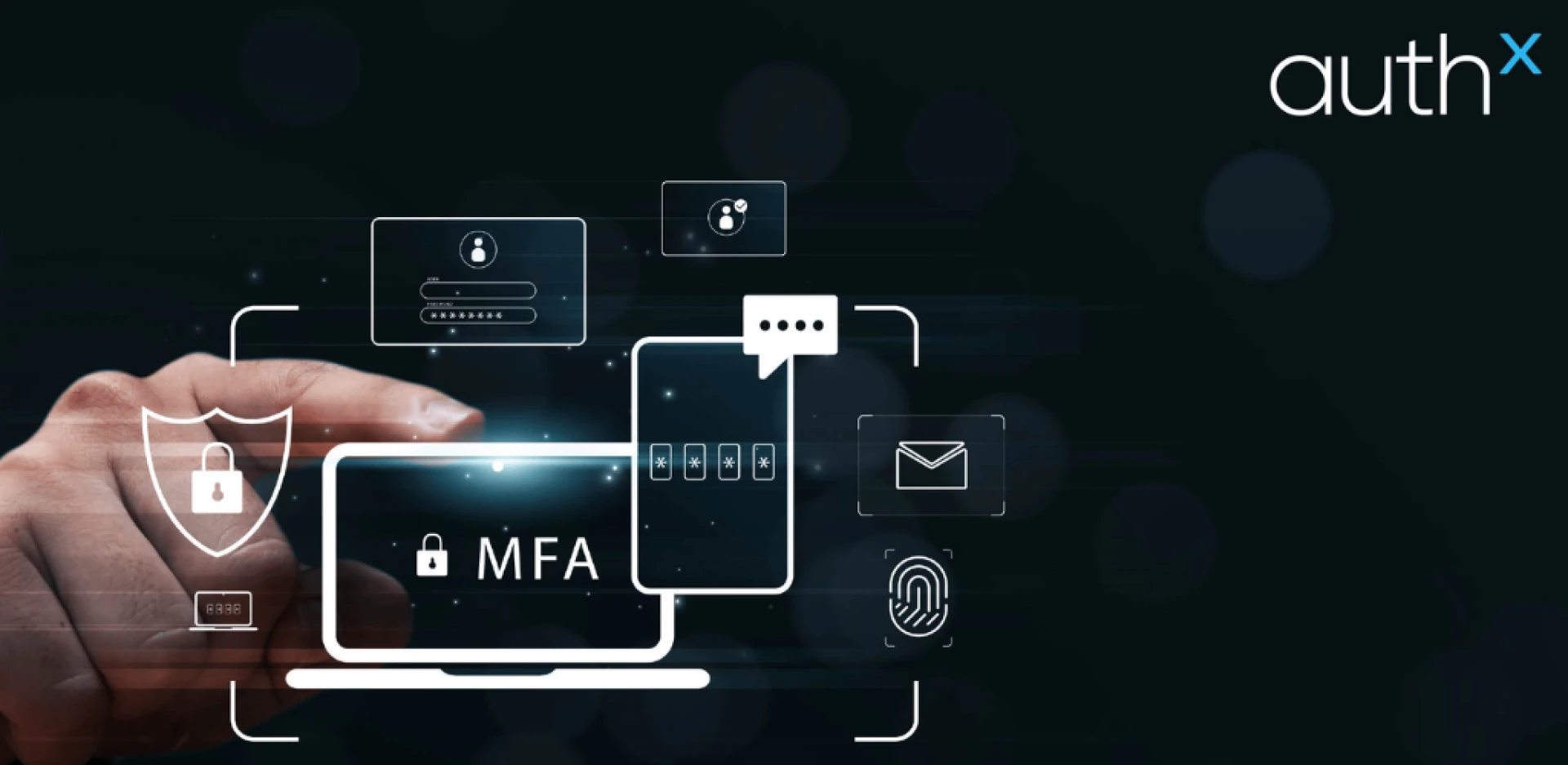
While not a standalone authentication method, Multifactor Authentication (MFA) combines two or more of the above methods to strengthen security. MFA is considered one of the most effective ways to protect accounts from unauthorized access. For example, a user might be required to enter a password (something they know), provide a fingerprint scan (something they are), and input a code from an authentication app (something they have). By requiring multiple forms of verification, MFA significantly reduces the risk of identity theft or account compromise.
Conclusion
Authentication is a fundamental aspect of securing digital identities and protecting sensitive information. As cyber threats continue to evolve, it is essential for individuals and organizations to adopt robust authentication methods. While no single method is foolproof, combining several methods, such as passwords, biometrics, and tokens, can provide a higher level of security and reduce the risk of unauthorized access. As technology advances, we can expect authentication methods to become even more sophisticated, offering users a balance of security, convenience, and privacy.












Sign in to leave a comment.