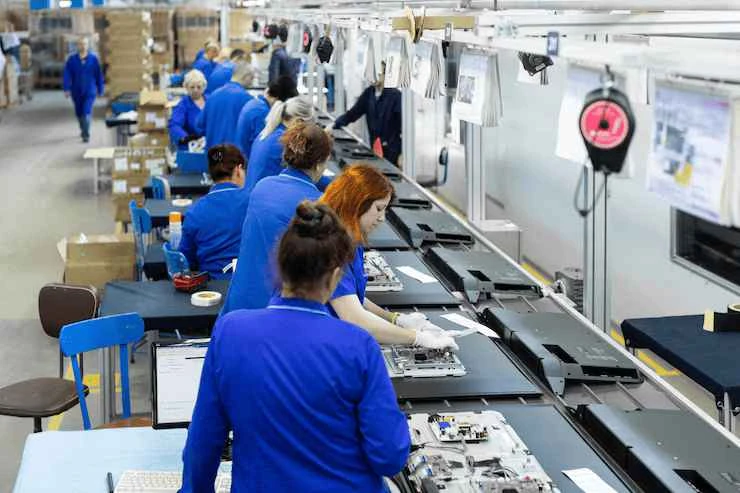

What Is Electronics Manufacturing ERP and Why It Matters for Production Control
Manufacturing of Electronics An enterprise resource planning system designed especially for electronics manufacturers is referred to as ERP. To ensure accuracy and reduce delays, this kind of ERP combines functions including procurement, inventory, BOM (Bill of Materials), production scheduling, and quality control. High-volume orders, worldwide supplier networks, and rapid technical modifications make a centralised system essential for meeting demand while preserving quality and compliance.
Real-time monitoring and reporting are made possible by an ERP system, which enables decision-makers to take prompt action based on precise data. It makes sense for companies that want to grow and optimize their operations to invest in an odoo implementation service. Electronics firms can manage everything from tracking raw materials to product delivery using Odoo's fully integrated and customisable platform. Every facet of production control is well addressed because of its modular architecture.
Key Features of Odoo ERP for Electronics Manufacturing That Optimize Workflow
Bill of Materials (BoM) Management: Odoo allows for precise BoM creation, handling multi-level configurations with ease. It supports component variants and version control, ensuring accurate production planning and cost tracking.
Work Order Management: Easily track and manage work orders by assigning tasks, monitoring progress, and identifying bottlenecks. This ensures better coordination across production lines.
Inventory Automation: Real-time inventory tracking, barcode scanning, and smart reordering rules help prevent stockouts and overstock situations, improving material availability and cash flow.
Quality Control Integration: Odoo integrates quality checks at each production stage, ensuring only defect-free products are moved forward. Alerts and reports enable rapid resolution of quality issues.
Production Planning and Scheduling: Advanced scheduling features optimize resource usage by aligning work orders with machine and labor availability, improving throughput and delivery times.
Real-Time Reporting and Dashboards: Custom dashboards provide live insights into production KPIs, order status, and resource usage, helping managers make data-driven decisions quickly.
How ERP Implementation Enhances Efficiency in Electronics Production
Improved Production Visibility: With centralized data and real-time tracking, Odoo offers clear visibility into every production phase, enabling quick decision-making.
Reduced Manual Errors: Automation minimizes human errors in inventory handling, order processing, and reporting, increasing accuracy and efficiency.
Optimized Resource Allocation: Smart scheduling tools ensure machines and workforce are optimally assigned, reducing idle time and improving capacity utilization.
Streamlined Procurement: Odoo automates procurement by triggering RFQs or POs based on stock levels, ensuring timely availability of raw materials.
Better Change Management: Manage engineering changes and product variations effectively, ensuring the production process adapts swiftly without disruptions.
Enhanced Collaboration: Departments like design, procurement, and production can collaborate via integrated workflows, improving coordination and communication.
Faster Order Fulfillment: Automated workflows reduce production cycle times, ensuring on-time delivery and higher customer satisfaction.
Must-Have ERP Modules for Complete Production Management in Electronics Industry
Manufacturing Module: Handles BoMs, work centers, routings, and production orders, enabling end-to-end control over the manufacturing process.
Inventory Management: Tracks raw materials, WIP, and finished goods with real-time updates, ensuring efficient warehouse and stock management.
Quality Management: Implements quality checks and controls at every production step, enhancing product reliability and compliance.
PLM (Product Lifecycle Management): Helps manage engineering changes, version control, and collaboration between design and manufacturing teams.
Maintenance Module: Schedules preventive maintenance for machines, reducing downtime and extending equipment life.
Purchase Management: Automates procurement workflows based on demand forecasts and stock levels, improving supplier relationships and cost efficiency.
Sales Management: Integrates with production to ensure accurate lead times, real-time order tracking, and customer communication.
Choosing the Right ERP Implementation Partner to Ensure Long-Term Success in Electronics Manufacturing
For electronics firms hoping for scaled success, choosing the proper ERP installation partner is essential. The ideal partner has extensive expertise in electronics manufacturing processes, including PCB design, component tracking, and assembly line optimization, in addition to ERP technology. To guarantee a seamless transition, they should provide training programs, post-deployment assistance, and industry-specific customisations.
A seasoned odoo implementation service provider offers a tried-and-true technique that will help you phase in module deployment, reduce downtime, and match the system to your business objectives. They help with compliance setup to satisfy national and international requirements, data migration, and third-party integrations. Finding the right partner gives you a strategic ally who will make sure your ERP system grows with your company, increases productivity, and yields a long-term return on investment.










Sign in to leave a comment.