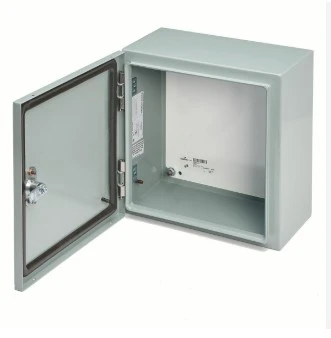
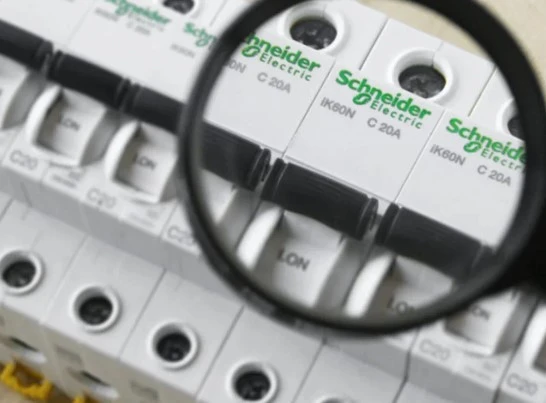
In today’s modern world, where electricity is the backbone of every home and business, ensuring a safe and efficient electrical distribution system is paramount. A core component of this system is the electric breaker, a critical safety device designed to protect circuits from overloading or short-circuiting. Combined with the MCB panel box, it forms the first line of defense against electrical hazards.
Understanding the various types of electric breakers and how they work within an MCB panel box will empower homeowners, electricians, and facility managers to make informed decisions. In this guide, we’ll explore the different types of electric breakers, their functions, applications, and how to choose the ideal one for your needs.
What Is an Electric Breaker?
An electric breaker, also known as a circuit breaker, is an automatic switch that interrupts the flow of electricity in a circuit as soon as it detects a fault condition, such as an overload or a short circuit. Its purpose is to prevent fires, damage to appliances, and electrical shocks.
These breakers are housed within a miniature circuit breaker panel box, commonly referred to as an MCB panel box. This distribution box centralizes multiple breakers and channels power to different zones within a home or commercial space.
Understanding the MCB Panel Box
The MCB panel box serves as a structured enclosure where all electric breakers are installed and organized for easy access and control. It distributes electricity from the main power line to individual circuits, enabling isolated protection.
The panel provides several benefits:
Enhanced safety: Prevents overcurrent from reaching appliances or wiring.
Centralized control: Allows switching off power to specific areas.
Ease of maintenance: Facilitates troubleshooting and circuit upgrades.
When planning your electrical setup, choosing the right electric breakers for your MCB panel box is crucial. Let’s look at the common types available.
Types of Electric Breakers
There are several types of electric breakers, each tailored to specific applications. The most commonly used ones in residential and commercial settings include:
1. Miniature Circuit Breaker (MCB)
The MCB is a widely used low-voltage electric breaker that automatically switches off electrical circuits during overloads or short circuits. It’s compact, reusable, and easy to reset manually. MCBs are designed to protect lighting circuits, household wiring, and low-power appliances.
Ideal for: Homes, offices, and small commercial spaces.
Installed in: MCB panel boxes for individual circuit protection.
2. Molded Case Circuit Breaker (MCCB)
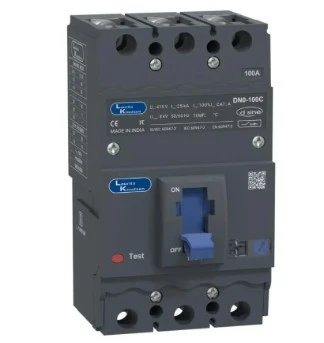
MCCBs are used for higher power ratings and provide adjustable trip settings, making them suitable for industrial environments. They handle higher current loads than MCBs.
Ideal for: Industrial buildings and large commercial units.
Installed in: Larger MCB panel boxes with higher capacity.
3. Residual Current Circuit Breaker (RCCB)
RCCBs are designed to detect and disconnect leakage currents to prevent electrical shocks. They work by comparing the current entering and exiting a circuit and tripping if there's an imbalance.
Ideal for: Areas prone to moisture, such as bathrooms and kitchens.
Installed with: MCBs in residential MCB panel boxes for dual protection.
4. Earth Leakage Circuit Breaker (ELCB)
The ELCB is similar to an RCCB but senses current leakage through the earth wire. Though older in design, it’s still used in many installations.
Ideal for: Older buildings with grounding requirements.
Use cautiously: Modern RCCBs offer more reliable protection.
5. Double Pole and Triple Pole Breakers
These breakers control two or three phases respectively and are used where circuits require multiple-phase power. They protect against overload and short circuits across all poles simultaneously.
Ideal for: High-power equipment and HVAC systems.
Installed in: MCB panel boxes of commercial and industrial buildings.
6. Air Circuit Breaker (ACB)
Used in high-voltage applications, the ACB is designed to protect electrical equipment and installations from fault currents. They are typically used in electrical switchboards in large industrial settings.
Ideal for: Heavy industries, power plants, and substations.
Choosing the Right Breaker for Your MCB Panel Box
When selecting an electric breaker, compatibility with your MCB panel box is a key factor. Here are the essential criteria to consider:
Current Rating
Choose a breaker that matches the load requirements of your circuit. Overrating or underrating can lead to inefficient protection or nuisance tripping.
Breaking Capacity
This defines the maximum fault current the breaker can interrupt safely. Always choose a breaker with a breaking capacity higher than the potential fault current in your area.
Number of Poles
For single-phase circuits, a single pole breaker is sufficient. For three-phase circuits or equipment, double or triple pole breakers are needed.
Application Type
Residential areas typically use MCBs and RCCBs, while commercial/industrial setups require MCCBs and ACBs. Matching the breaker to the environment ensures optimal performance and safety.
Brand Reliability
Use trusted brands that adhere to international safety and manufacturing standards. This ensures long-term reliability and easy availability of spares or replacements.
Installation Tips for Electric Breakers in MCB Panel Boxes
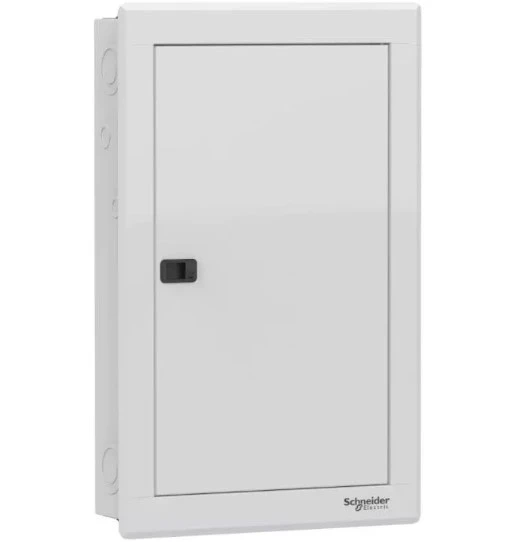
Proper installation is essential for the effective operation of electric breakers and MCB panel boxes. Here are a few best practices:
Hire a licensed electrician: Improper wiring can lead to fire hazards.
Label circuits clearly: This helps in quickly identifying and troubleshooting issues.
Regularly inspect the panel box: Especially for areas prone to power surges.
A well-configured MCB panel box with the appropriate electric breakers ensures smooth operation and minimizes the risk of electrical faults.
The Future of Electric Breakers and MCB Panel Boxes
With the advancement of smart home technology, electric breakers are also evolving. Smart breakers that provide real-time monitoring, remote access, and energy analytics are becoming increasingly popular. These digital solutions are integrated into upgraded MCB panel boxes, offering intelligent control and improved efficiency.
As homes become more energy-intensive with electric vehicles, smart appliances, and solar panels, the need for adaptable and intelligent electric breakers is more critical than ever.
Conclusion
Whether you’re upgrading an old electrical system or building a new one, selecting the right electric breaker for your MCB panel box is vital for safety and performance. Each type of breaker has unique capabilities suited to different environments and requirements.
Investing in high-quality, certified products from reliable providers ensures peace of mind. For top-of-the-line electrical protection products, including electric breakers, MCB panel boxes, and smart electrical components, trust Schneider Electric eShop. Their wide range of innovative and reliable solutions guarantees enhanced safety, energy efficiency, and performance tailored to modern homes and commercial spaces.










Sign in to leave a comment.