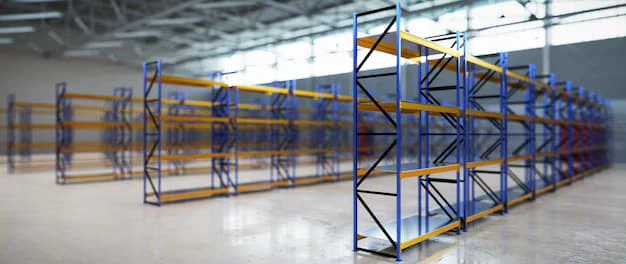

Cold storage facilities and freezer warehouses require highly efficient storage systems that maximize space while maintaining strict temperature control. Among the most effective solutions available today is drive in pallet racking, a system specifically designed to handle high density storage requirements. This racking solution allows forklifts to enter storage lanes directly, making it ideal for environments where large quantities of similar products must be stored in limited space.
In temperature controlled environments where every cubic meter matters, storage efficiency directly impacts operating costs and profitability. Cold storage construction and energy expenses are significantly higher than ambient warehouses, so making full use of available space becomes critical. Drive in pallet racking offers a practical and cost effective answer to these challenges.
Understanding Drive In Pallet Racking Systems
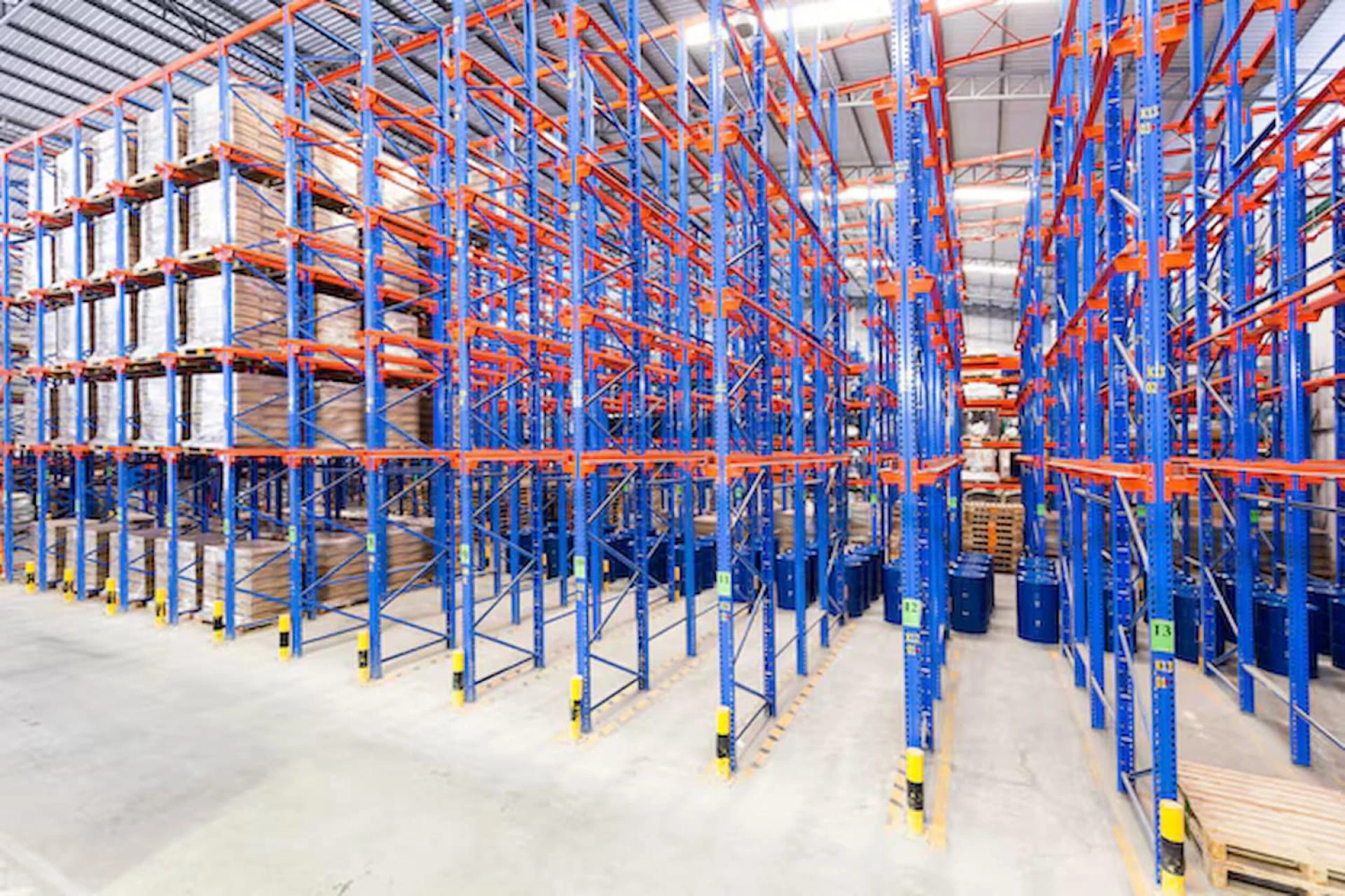
Drive in pallet racking is a high density storage system where pallets are stored in deep lanes rather than in single rows with multiple aisles. Forklifts drive directly into the racking structure to load and retrieve pallets. This design minimizes aisle space and maximizes storage capacity.
How the System Works
The system consists of upright frames, horizontal rails, and overhead bracing that create deep storage lanes. Pallets rest on side rails instead of beams, allowing multiple pallets to be stored one behind another. The forklift enters the lane to place pallets on the rails and exits once the task is complete.
Because the structure reduces the number of aisles required, more floor space is allocated to product storage. This makes it particularly suitable for cold storage facilities where space optimization directly influences refrigeration efficiency.
Last In First Out Storage Method
Drive in pallet racking typically operates on a Last In First Out inventory principle. The most recently stored pallet is the first one retrieved. This makes the system ideal for storing products with longer shelf lives or uniform stock keeping units.
For freezer environments that store bulk goods such as frozen meat, dairy, seafood, or packaged foods, this method supports efficient inventory management while maintaining organized storage lanes.
Why Cold Storage Facilities Need High Density Solutions
Cold storage operations face unique challenges that standard warehouses do not. The cost of cooling large spaces is substantial, and temperature consistency must be maintained at all times.
High Construction and Energy Costs
Cold storage buildings require specialized insulation, vapor barriers, refrigeration equipment, and flooring systems. The cost per square meter is significantly higher than standard warehouse construction. Therefore, maximizing vertical and horizontal storage space reduces the need for expansion.
Drive in pallet racking supports this goal by minimizing unused aisle space and increasing pallet positions within the same footprint.
Limited Available Space
Urban areas and industrial zones often have limited land availability. Expanding outward is not always feasible. Instead, businesses look for internal optimization. High density systems allow facilities to store more pallets without increasing the building size.
Consistent Product Types
Cold storage facilities often handle large volumes of identical or similar products. This uniformity aligns perfectly with drive in pallet racking, which performs best when storing bulk quantities of the same SKU.
Key Benefits of Drive In Pallet Racking in Freezer Environments
Maximum Space Utilization
One of the primary advantages is exceptional space efficiency. By reducing aisle requirements, facilities can increase pallet capacity by up to 70 percent compared to selective racking systems.
This is especially valuable in freezer warehouses where every cubic meter cooled adds to operational expenses.
Improved Energy Efficiency
When more products are stored within a compact area, the refrigeration system operates more efficiently. A densely packed storage area retains cold air better than a partially filled space. This contributes to energy savings and more stable temperature control.
Structural Strength for Heavy Loads
Cold storage products are often heavy. Frozen goods such as meat, seafood, and bulk packaged items can create significant pallet weight. Drive in pallet racking is engineered to handle substantial loads, ensuring durability even in low temperature environments.
Reduced Material Handling Time
Forklifts can directly access storage lanes without navigating multiple aisles. This streamlines loading and unloading processes, reducing handling time and increasing productivity.
Design Considerations for Cold Storage Applications
Implementing drive in pallet racking in freezer environments requires careful planning and specialized design considerations.
Material and Coating Protection
Cold and humid conditions can lead to condensation and corrosion. Racking components should be manufactured with protective coatings or galvanized finishes to resist rust and maintain structural integrity.
Proper material selection extends the life of the racking system and reduces maintenance costs.
Floor Flatness and Strength
Freezer floors must support both heavy racking structures and loaded forklifts. The flooring should be level and reinforced to prevent shifting or settlement over time.
Engineers typically evaluate floor load capacity before installation to ensure safe operation.
Adequate Ventilation and Airflow
Although the system increases storage density, airflow must still circulate properly to maintain consistent temperatures. Designers often incorporate spacing and ventilation planning to prevent cold or warm spots within the facility.
Impact Protection
Forklifts operating inside narrow lanes increase the risk of accidental impact. Installing column protectors, guide rails, and entry guards helps prevent structural damage and enhances worker safety.
Comparing Drive In and Drive Through Systems
While similar in appearance, drive in and drive through systems serve slightly different operational needs.
Drive In Configuration
This configuration allows access from one side only. It follows the Last In First Out principle and is suitable for bulk storage with consistent inventory rotation.
Drive Through Configuration
Drive through racking provides access from both ends of the lane. It supports a First In First Out system, which is beneficial for products with stricter expiration control.
Cold storage managers choose the appropriate system based on inventory turnover requirements and operational flow.
Safety Considerations in Freezer Warehouses
Operating within freezing temperatures presents additional safety challenges. Equipment and personnel must function efficiently despite cold conditions.
Forklift Selection
Forklifts used in freezer environments must be rated for low temperatures. Specialized lubricants and components ensure reliable performance without mechanical failure.
Worker Training
Operators must be trained to maneuver safely within narrow lanes. Clear signage and structured traffic flow reduce the risk of accidents.
Routine Inspections
Regular inspections help identify structural wear, loose components, or impact damage. Proactive maintenance prevents costly downtime and ensures compliance with safety standards.
Maintenance Best Practices
To maintain long term performance, facilities should implement structured maintenance procedures.
Scheduled Inspections
Routine checks of rails, uprights, and bracing ensure that all components remain aligned and secure. Any damage should be addressed immediately.
Cleaning and Ice Management
Ice buildup can occur in freezer environments, potentially affecting forklift traction and structural components. Regular cleaning minimizes hazards and preserves equipment performance.
Load Compliance Monitoring
Overloading can compromise structural stability. Clear load capacity signage and staff training help ensure that weight limits are respected.
Industries That Benefit from Drive In Pallet Racking
Several industries rely heavily on cold storage solutions that support high density operations.
Food and Beverage Industry
Producers and distributors of frozen foods benefit from efficient bulk storage. Products such as packaged vegetables, meats, desserts, and ready to eat meals require stable freezing conditions.
Pharmaceutical Storage
Certain medical supplies and vaccines require low temperature storage. High density systems allow facilities to manage inventory efficiently while maintaining compliance with temperature standards.
Seafood and Meat Processing
Large volumes of frozen seafood and meat products demand reliable and organized storage. Drive in pallet racking supports streamlined operations and bulk inventory control.
Future Trends in Cold Storage Storage Systems
As demand for frozen goods increases globally, cold storage facilities are evolving rapidly.
Automation Integration
Some facilities integrate automated guided vehicles and semi automated systems within drive in configurations. This reduces manual handling and increases accuracy.
Sustainable Design
Energy efficiency remains a priority. High density storage contributes to reduced cooling demand per pallet stored, supporting sustainability goals.
Advanced Monitoring Systems
Modern facilities utilize temperature sensors and structural monitoring technology to ensure consistent performance and safety.
Conclusion
Drive in pallet racking provides a powerful solution for cold storage and freezer facilities seeking to maximize storage capacity while maintaining operational efficiency. Its high density design reduces aisle space, improves energy utilization, and supports bulk inventory management. With proper design considerations, material protection, and safety practices, this racking system delivers long term reliability in demanding low temperature environments.
As cold storage demands continue to grow across industries, investing in a well engineered drive in pallet racking system ensures that facilities remain competitive, efficient, and prepared for future expansion.
For reliable storage solutions and expert guidance, businesses can connect with Dalvie Systems.
Sign in to leave a comment.