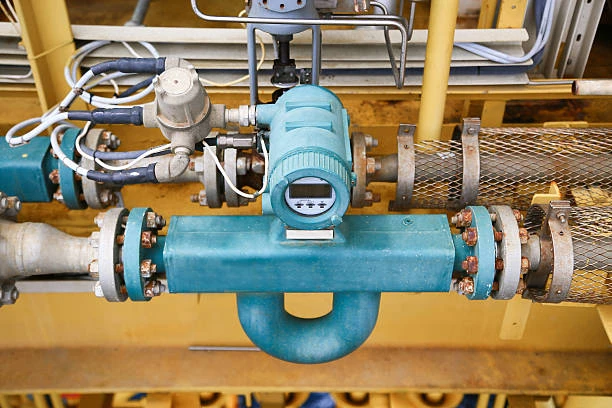

In fluid measurement systems, pressure behavior is a critical consideration because it directly affects system efficiency, accuracy, and operational stability. One common question in industrial and process-engineering environments concerns whether installing a Turbine Flow Meter introduces pressure loss into a system. Understanding how and why pressure drop occurs, how significant it can be, and how it can be managed is essential for engineers, technicians, and system designers who rely on accurate flow measurement without compromising performance.
Understanding Pressure Drop in Flow Measurement Systems
Pressure drop refers to the reduction in fluid pressure as it moves through a component in a piping system. Any obstruction, restriction, or energy-extracting device can cause this phenomenon. Flow meters, by their very nature, interact with the moving fluid, which means pressure behavior must always be evaluated.
What Causes Pressure Drop in General
Pressure drop occurs when fluid energy is converted into other forms, such as mechanical motion, turbulence, or heat. Changes in flow direction, velocity, or cross-sectional area all contribute to energy loss. In flow meters, pressure drop is usually associated with internal components that come into contact with the fluid stream.
Why Pressure Drop Matters
Excessive pressure loss can reduce system efficiency, increase pumping costs, and negatively affect downstream equipment. In sensitive applications, pressure drop may also influence measurement accuracy or disrupt process stability. Therefore, understanding how a Turbine Flow Meter interacts with fluid pressure is essential for proper system design.
How a Turbine Flow Meter Operates
To understand whether a Turbine Flow Meter causes pressure drop, it is necessary to examine how it functions within a pipeline.
Mechanical Interaction With Flow
A Turbine Flow Meter measures flow rate by placing a rotor or turbine wheel directly in the fluid path. As fluid flows through the meter, it causes the turbine to rotate at a speed proportional to the flow velocity. This rotational movement is then converted into an electrical or mechanical signal.
Because the turbine is a physical object within the flow stream, it inevitably introduces resistance. This resistance alters fluid velocity profiles and contributes to a pressure differential between the inlet and outlet of the meter.
Energy Transfer and Flow Resistance
The turbine extracts a small amount of kinetic energy from the fluid to rotate. This energy transfer is one of the primary reasons a pressure drop occurs. Additionally, the bearings, shaft, and housing geometry create localized turbulence, which further contributes to energy loss.
Does a Turbine Flow Meter Cause Pressure Drop?
Yes, a Turbine Flow Meter does cause pressure drop, but the extent of that pressure drop depends on several interrelated factors.
The Inevitable Nature of Pressure Loss
Because the turbine physically obstructs part of the flow path and requires energy to rotate, some pressure loss is unavoidable. This is not a flaw in the design but a natural consequence of mechanical flow measurement.
However, modern turbine meters are engineered to minimize this loss while maintaining high accuracy. Compared to more restrictive devices, the pressure drop introduced by a Turbine Flow Meter is often moderate and predictable.
Pressure Drop Versus Measurement Accuracy
The slight pressure drop caused by the turbine is directly tied to its ability to measure flow accurately. If the turbine did not interact with the fluid, it could not provide a reliable measurement. Therefore, pressure drop should be viewed as a trade-off rather than a drawback.
Factors That Influence Pressure Drop
Not all turbine meters produce the same level of pressure loss. Several variables determine how much pressure drop occurs in a given installation.
Flow Velocity and Rate
Higher flow velocities increase turbine rotational speed, which in turn increases resistance and turbulence. As flow rate rises, pressure drop typically increases in a nonlinear manner. This is why turbine meters are carefully sized to match expected flow conditions.
Fluid Properties
Fluid density and viscosity significantly affect pressure behavior. Liquids with higher viscosity create greater resistance as they move through the turbine, resulting in increased pressure drop. Gas applications may experience lower absolute pressure loss but higher relative sensitivity due to compressibility.
Meter Design and Construction
The internal design of the Turbine Flow Meter plays a major role. Factors such as blade shape, bearing type, and housing geometry influence how smoothly fluid passes through the meter. Advanced designs aim to streamline flow and reduce turbulence, thereby limiting pressure loss.
Installation Conditions
Upstream and downstream piping configuration also affects pressure drop. Poor flow conditioning, sharp bends, or insufficient straight pipe lengths can increase turbulence entering the meter, amplifying pressure loss beyond expected levels.
Comparing Turbine Flow Meters to Other Technologies
Understanding pressure drop is easier when turbine meters are compared to alternative flow measurement methods.
Turbine Meters Versus Differential Pressure Devices
Differential pressure meters, such as orifice plates, intentionally restrict flow to create a measurable pressure difference. These devices often cause significantly higher pressure loss than turbine meters. In contrast, turbine meters aim to balance measurement accuracy with lower energy loss.
Turbine Meters Versus Non-Intrusive Technologies
Non-intrusive flow meters, such as ultrasonic devices, do not obstruct the flow path and therefore cause virtually no pressure drop. However, they may have limitations in certain applications involving fluid cleanliness, pipe conditions, or cost constraints. The moderate pressure drop of a Turbine Flow Meter is often acceptable in exchange for robust accuracy.
Managing and Minimizing Pressure Drop
Although pressure drop cannot be eliminated entirely, it can be managed effectively through thoughtful design and operation.
Proper Meter Sizing
Selecting the correct meter size is one of the most important steps. An undersized Turbine Flow Meter forces fluid to accelerate, increasing both pressure drop and wear. Proper sizing ensures optimal velocity and minimizes unnecessary energy loss.
Maintaining Clean Flow Conditions
Debris, particulates, or buildup on turbine blades increase friction and turbulence. Regular maintenance and filtration help preserve smooth operation and prevent excessive pressure loss over time.
Optimized Installation Practices
Ensuring adequate straight pipe lengths upstream and downstream of the meter allows flow to stabilize before entering the turbine. This reduces turbulence-induced losses and improves both accuracy and pressure performance.
Impact on System Efficiency
The pressure drop caused by a Turbine Flow Meter must be evaluated in the context of the entire system.
Pumping and Energy Costs
In systems where pressure margins are tight, even moderate pressure losses can increase pumping requirements. Engineers must account for the meter’s pressure drop when selecting pumps and designing control strategies.
Long-Term Operational Considerations
Over time, wear on turbine components can slightly increase resistance. Monitoring pressure behavior helps identify when maintenance or recalibration is needed to maintain efficiency.
When Pressure Drop Becomes a Design Concern
In some applications, pressure drop is more critical than in others.
Low-Pressure Systems
Systems operating near minimum pressure thresholds may not tolerate additional losses. In such cases, the pressure drop associated with a Turbine Flow Meter must be carefully evaluated or alternative technologies considered.
High-Accuracy Measurement Needs
In processes where precise flow measurement is essential, the predictable pressure drop of a turbine meter can be advantageous. Its behavior is well-characterized, making it easier to model and compensate within system design.
Conclusion
A Turbine Flow Meter does cause pressure drop, but this effect is an inherent and manageable aspect of its operation. The pressure loss results from the turbine’s interaction with the fluid, energy transfer required for measurement, and localized turbulence within the meter housing. While unavoidable, this pressure drop is generally moderate and predictable when the meter is properly sized, installed, and maintained.
Rather than viewing pressure drop as a disadvantage, it should be understood as a necessary trade-off for accurate mechanical flow measurement. With careful system design and appropriate operational practices, the pressure impact of a Turbine Flow Meter can be effectively controlled, ensuring reliable performance without compromising overall system efficiency.
Sign in to leave a comment.