

If you’ve spotted a large, hovering bee near your wooden deck or porch eaves, you’re likely asking one of two things: "Is it eating my house?" and "Do carpenter bees Sting?"
Carpenter bees are often mistaken for bumblebees, but their behavior—and their sting potential—is quite different. Here is the breakdown of whether these wood-boring insects pose a threat to your skin or just your siding.
The Short Answer: Do They Sting?
Yes and no. Whether or not a carpenter bee can sting depends entirely on its gender.
| Gender | Can it Sting? | Behavior |
| Female | Yes | They possess a stinger but are incredibly docile. |
| Male | No | They lack a stinger entirely. |
The "Grumpy" Male Carpenter Bee
If a carpenter bee is "diving" at you or hovering inches from your face, it is almost certainly a male. Because they lack a physical stinger, they use intimidation as their only weapon. They are highly territorial and will try to "shoo" you away from the nest, but they are physically incapable of stinging you.
The Docile Female
The female carpenter bee is the one doing the heavy lifting—boring holes into wood and laying eggs. While she does have a functional stinger, she is the "wallflower" of the bee world. She will generally only sting if she is directly handled, stepped on, or trapped against your skin.
What Does a Carpenter Bee Sting Feel Like?
If you do happen to get stung by a female, the sensation is similar to that of a honeybee or yellow jacket.
- Initial Pain: A sharp, localized burning sensation.
- Swelling: The area will likely turn red and swell slightly.
- Duration: Pain usually subsides within a few hours, though some itchiness may persist for a day or two.
Important Note: For most people, a sting is just a nuisance. However, if you have a known bee allergy, a carpenter bee sting can trigger anaphylaxis. Seek medical attention immediately if you experience difficulty breathing, dizziness, or widespread hives.
Carpenter Bees vs. Bumblebees: How to Tell the Difference
It’s easy to confuse the two, but their tails tell the story:
- Carpenter Bees: Have a shiny, black, hairless abdomen. Think of it as a "patent leather" look.
- Bumblebees: Have a fuzzy, hairy abdomen often with yellow stripes.
How to Avoid Getting Stung
Since carpenter bees aren't aggressive, avoiding a sting is relatively simple:
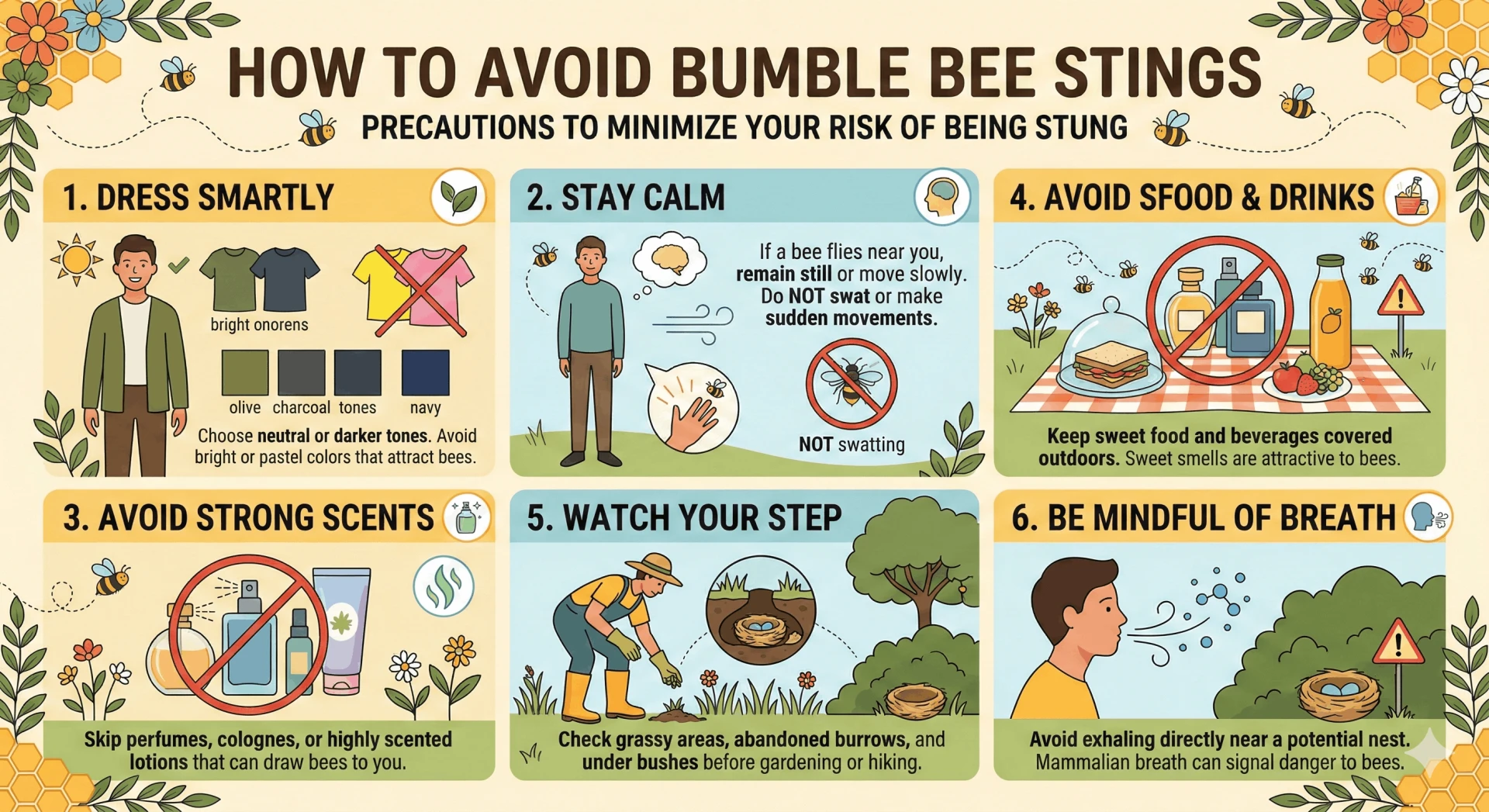
- Don't Swat: Swatting at a male might be fruitless, but swatting at a female might provoke her.
- Wear Shoes: Avoid walking barefoot on wooden decks where bees are nesting.
- Plug the Holes: The best way to get rid of the bees (and the risk) is to treat and seal their tunnels during the fall.
The Verdict
You don’t need to panic when you see a carpenter bee. The "scary" ones can’t hurt you, and the ones that can hurt you want nothing to do with you. They are much more interested in your cedar siding than they are in your skin!


























Sign in to leave a comment.