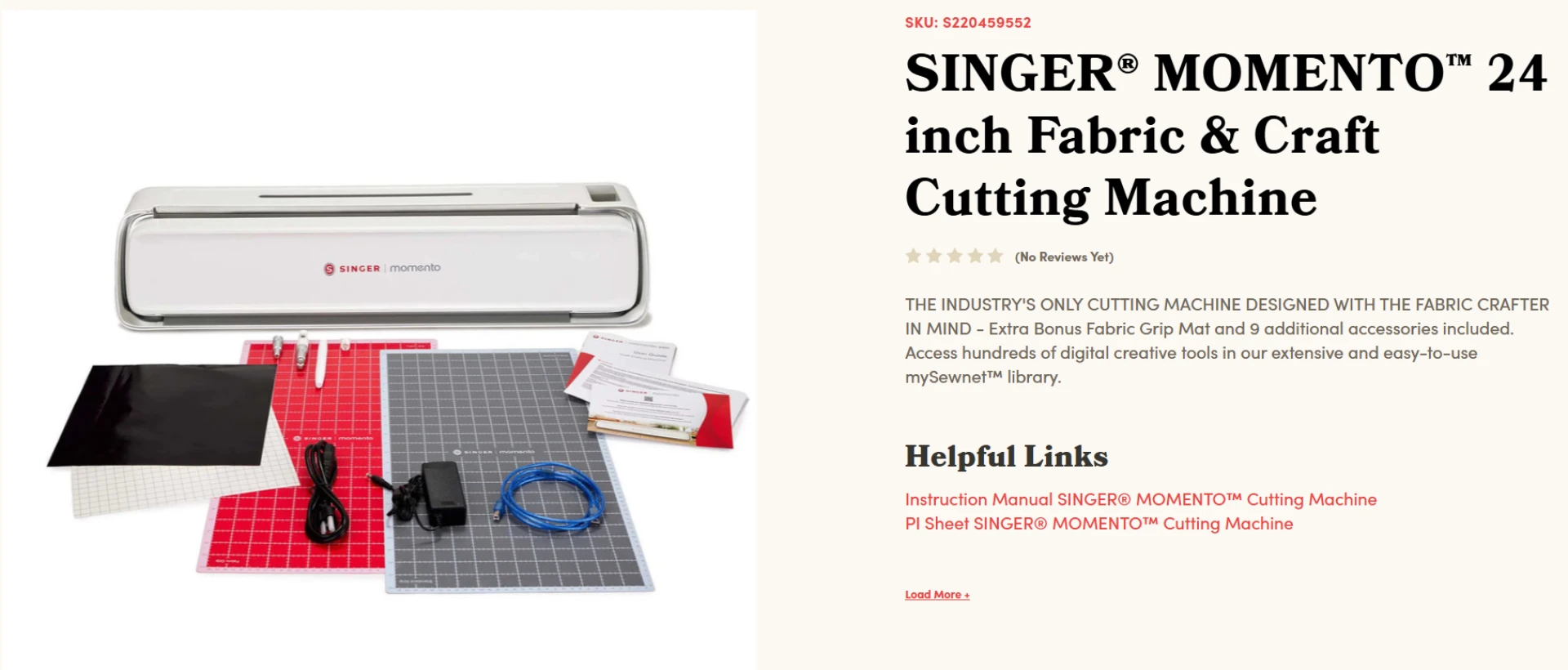

The textile and garment manufacturing industries are known for their reliance on precise, efficient cutting techniques. With the advent of new technologies, the traditional methods of fabric cutting are increasingly being challenged by the rise of digital cutting machines. These machines promise faster, more accurate, and more flexible cutting solutions, but it is important to examine both the benefits and drawbacks of fabric cutting machines in comparison to traditional fabric cutting methods.
Traditional Fabric Cutting Methods
Traditional fabric cutting methods, such as manual cutting, die cutting, and laser cutting, have been the foundation of the textile industry for many years. These methods involve human intervention or mechanical devices to cut fabric into the desired shapes and sizes. Each of these methods has its own set of advantages and limitations.
Manual Cutting: This is the most basic and traditional method, where a fabric cutter manually cuts the fabric using shears or rotary cutters. While this method allows for a high degree of flexibility and precision in smaller batches, it is time-consuming, labour-intensive, and prone to human error. The accuracy of manual cutting can vary depending on the skill of the operator, leading to potential wastage and inconsistent results.
Die Cutting: Die cutting involves using a pre-made metal die to cut fabric into specific shapes. This method is suitable for high-volume production runs where the same shape is needed repeatedly. Die cutting machines offer more consistency and speed than manual cutting, but they require the creation of custom dies, which can be costly and time-consuming. Furthermore, die cutting lacks the flexibility needed for small, custom orders or intricate designs.
Laser Cutting: Laser cutting uses a high-powered laser to cut fabric with high precision. This method is well-suited to intricate designs and offers clean edges, especially when cutting synthetic fabrics. However, laser cutting machines can be expensive to operate and maintain. They also have limitations in terms of the thickness of fabric they can handle and the types of materials they can cut effectively.
Digital Fabric Cutting Machines
In contrast to traditional methods, digital fabric cutting machines offer a more advanced and automated approach. These machines, such as the Singer Momento Cutting Machine, use digital technology, including computer numerical control (CNC), to precisely cut fabric according to digital patterns. The integration of cutting-edge software and AI enhances the performance of these machines, allowing for highly accurate cuts and the ability to process multiple layers of fabric simultaneously.
Advantages of Digital Cutting Machines:
- Precision and Accuracy: Digital cutting machines offer a level of precision that is difficult to achieve with traditional methods. The ability to input digital patterns into the machine allows for exact cuts, ensuring consistency across production runs. The automated nature of these machines removes the variability introduced by human error, resulting in more accurate cuts and less fabric waste.
- Speed and Efficiency: Digital fabric cutting machines are significantly faster than manual or die cutting methods. With the ability to cut complex shapes and patterns quickly, these machines drastically reduce production times, making them ideal for high-volume manufacturing. Moreover, the automation of the cutting process allows manufacturers to produce more items in less time without sacrificing quality.
- Flexibility: One of the key benefits of digital cutting machines is their ability to handle both small and large production runs with ease. Unlike die cutting, which requires custom dies for each shape, digital cutting machines can be easily reprogrammed to cut different patterns, making them perfect for custom orders, prototypes, or one-off designs. This flexibility is particularly valuable in industries such as fashion, where designs are often complex and subject to change.
- Material Utilisation: Digital fabric cutting machines can optimise the use of fabric by automatically arranging the cutting pattern to minimise waste. This capability is particularly beneficial when working with expensive materials or when fabric supply is limited. The machine’s software analyses the fabric layout and adjusts the pattern for maximum efficiency, ensuring that less material is discarded during the cutting process.
- Integration with CAD Systems: Digital cutting machines can be seamlessly integrated with computer-aided design (CAD) systems, allowing for the direct import of digital patterns into the cutting machine. This integration eliminates the need for manual pattern tracing or die creation, saving both time and money. It also allows for easy modifications and updates to designs, ensuring that the cutting process can adapt to changes without significant downtime.
Drawbacks of Digital Cutting Machines:
- High Initial Investment: The primary drawback of digital fabric cutting machines is their high upfront cost. These machines can be expensive to purchase and install, and smaller manufacturers may find it difficult to justify the investment. Additionally, ongoing maintenance and software updates can incur further costs, making digital cutting machines more suitable for larger enterprises or businesses with high production volumes.
- Training and Expertise: While digital cutting machines are user-friendly, they still require operators to have a certain level of technical expertise. Operators must be trained to understand the machine’s software, troubleshoot potential issues, and optimise the cutting process. For businesses unfamiliar with digital technology, the learning curve can be steep, and the need for skilled operators may lead to additional training expenses.
- Material Limitations: While digital cutting machines are capable of handling a wide range of fabrics, they are not always suitable for all types of materials. Certain heavy or particularly thick fabrics may require manual or die cutting methods to achieve the desired results. Furthermore, delicate fabrics such as chiffon or silk may pose challenges in terms of cutting precision, as they can shift or distort during the process.
- Dependence on Technology: The reliance on digital technology means that any issues with the software or hardware can result in production delays. If the system encounters a technical fault, the entire production line can come to a halt until the issue is resolved. This dependence on technology can create potential downtime, especially if a business does not have the necessary technical support or spare parts on hand.










Sign in to leave a comment.