
By Sana Raza | South Asian Bridal Stylist | Based in Houston, TX | Serving brides since 2009
I remember standing in a bride's living room in Sugar Land, Texas, in the summer of 2021, watching her unbox an outfit she had ordered from an Instagram boutique six weeks earlier. She had paid $210 for what was described as a "rich mustard sharara with hand-embroidery." What arrived was a pale yellow polyester set with printed gold lines that looked nothing like hand-embroidery.
Her dholki was in 48 hours.
We drove to a Pakistani boutique on Hillcroft Avenue, Houston's South Asian shopping strip, and spent three hours hunting. We found a decent anarkali in peach from a store called Mehndi Bazaar $140, ready to wear, fitted the same day by a seamstress in the back. It wasn't her dream outfit, but she looked beautiful, and more importantly, she relaxed.
I've been styling South Asian brides in Houston, Dallas, and Chicago for over 15 years. I've handled about 340 pre-wedding styling sessions. The dholki is the one event where brides consistently under-plan, and it causes more stress than any other part of the wedding.
This guide is everything I wish I could hand every bride the moment she gets engaged.
Why the Dholki Outfit Deserves More Thought Than You're Giving It
The dholki is rooted in South Asian, particularly Pakistani and North Indian, wedding tradition. Women gather usually just close family and friends around the bride. Someone beats the dholki drum. Traditional wedding songs are sung. The bride is teased, celebrated, and showered with affection.
In Pakistan, it is almost always held at home. In the United States, it has evolved. Some families combine it with the mehndi. Others hold it as a standalone evening event with 30 to 80 guests. Either way, the energy is intimate and joyful and the bride is front and center.
Here is what that means practically for your outfit:
You will likely sit cross-legged on a floor cushion or toshak for at least part of the evening. You will almost certainly dance. Your aunts will pull you up whether you want to or not. The lighting will vary from dim string lights to bright ring lights depending on whoever set up the photo corner. You will sweat. You will laugh until your dupatta falls.
Your outfit needs to survive all of that gracefully.
This is not the occasion for your 15-pound bridal lehenga. That is for baraat. The dholki calls for something festive, comfortable, and genuinely you because this night, unlike the formal events, actually belongs to you.
The Color Question: What Actually Photographs Well
I have styled brides in every color imaginable at dholkis. Here is what I have observed, not just in theory but across hundreds of actual events and thousands of photos.
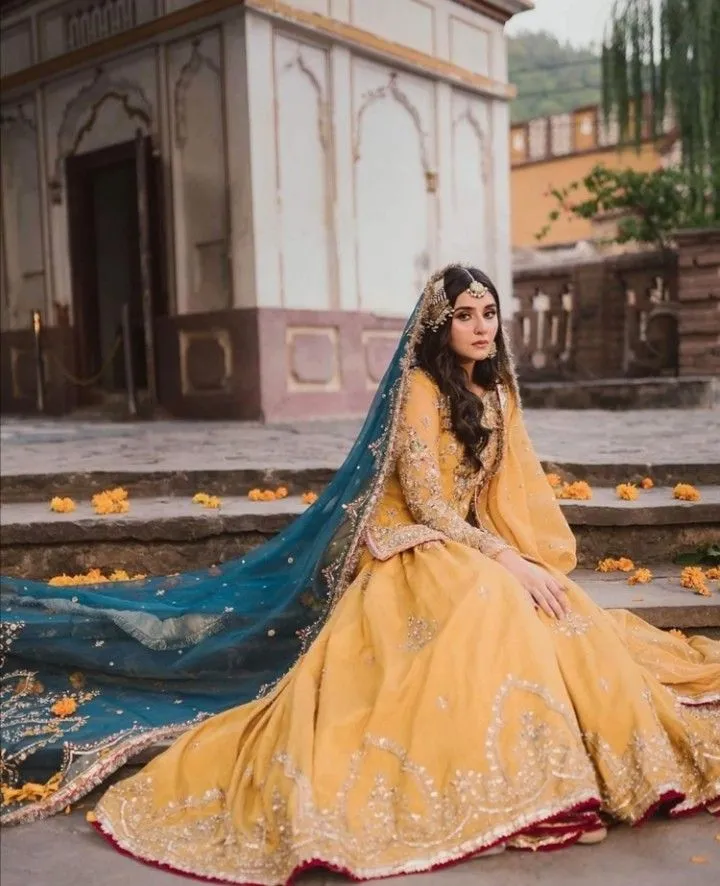
Yellow remains the most beloved choice for a reason. Mustard yellow, sunshine yellow, and soft butter yellow all read beautifully under warm indoor lighting. In 2022, I styled a bride named Mahnoor in a mustard Maria B sharara set for her Houston dholki. The photos looked like they belonged in a magazine. Yellow has cultural resonance too it represents joy and new beginnings in South Asian tradition but honestly, it also just photographs like nothing else.
Avoid neon or highlighter yellow. I cannot stress this enough. It glows under any artificial light and washes out skin tones in photos.
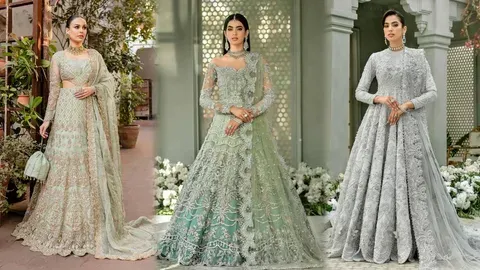
Green has surged in popularity since 2021. Sage green, mint, and pistachio work especially well for outdoor daytime dholkis. I styled a bride in a sage green gharara at a backyard dholki in Naperville, Illinois in June 2023 the natural light made it look ethereal. For evening or winter events, deep emerald green carries well.
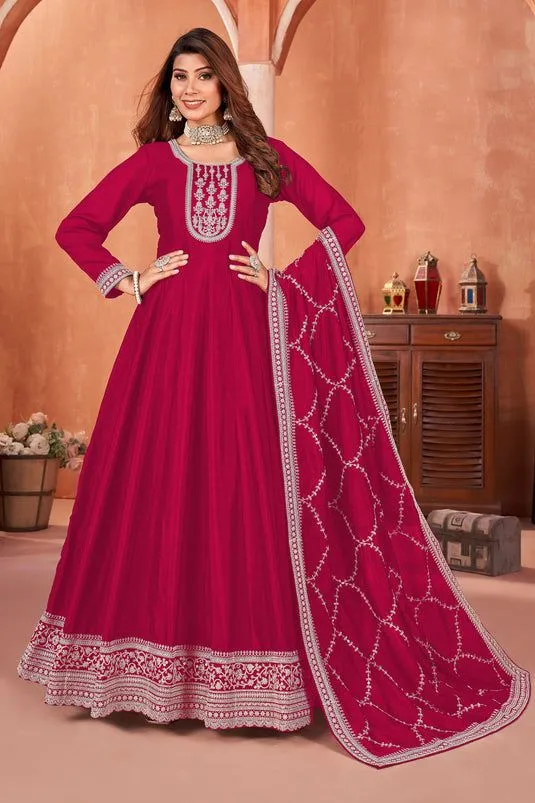
Pink and fuchsia are underestimated as dholki colors. Hot pink is festive without being bridal-red, and it pairs beautifully with gold jewelry. I had a bride in Dallas who was convinced yellow wasn't her color fair skin, light eyes. We went with deep fuchsia from Sana Safinaz, and her dholki photos were arguably better than her mehndi photos.
Peach and coral deserve more credit. They work across all skin tones, look warm and vibrant under indoor lighting, and read as festive without being loud.
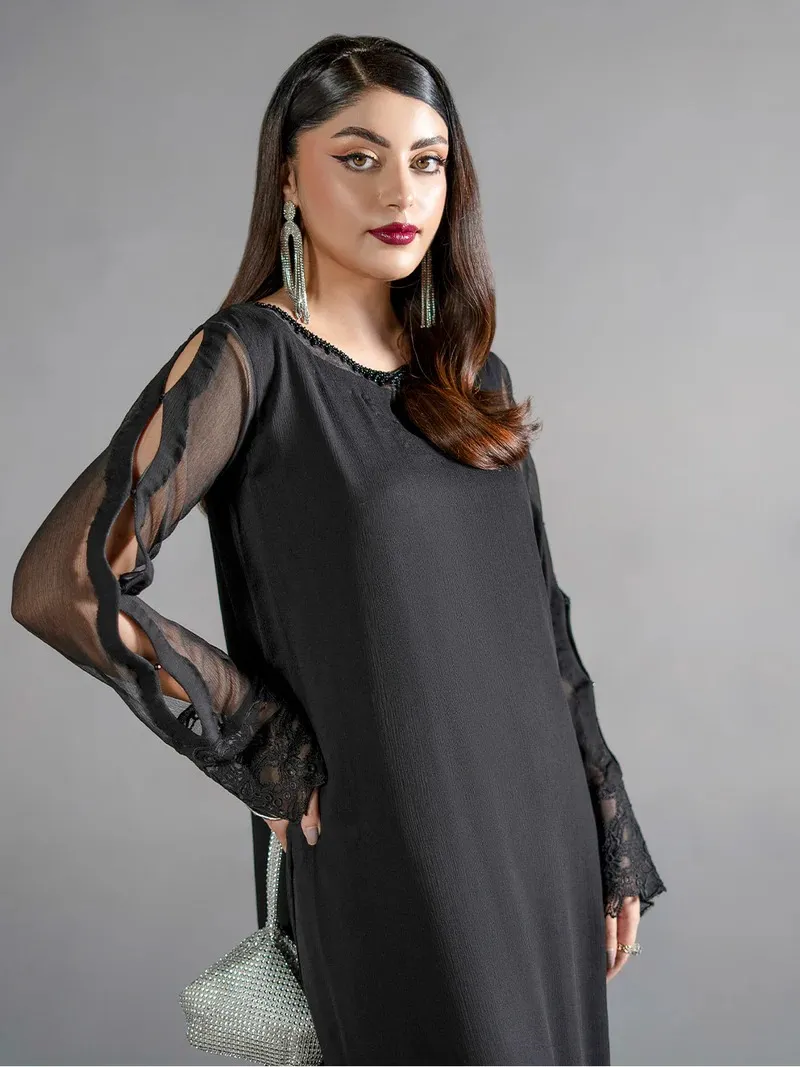
What to skip: Save true red for your wedding day. All-white works only with heavy colorful embellishment plain white reads as clinical. Black is generally too formal for dholki's celebratory mood.
The Outfit Styles That Work
Sharara Sets
This is consistently my top recommendation for dholki. The wide flared legs give you complete freedom of movement, the short kurta keeps you cool, and the dupatta completes the traditional look without weight.
In 2020, I worked with a bride named Zara who had a herniated disc and needed to be able to sit and stand freely all evening. We chose a cotton silk sharara from Agha Noor in soft peach. She danced for three hours and said it was the most comfortable outfit she wore during her entire wedding week.
Best for: Most brides, especially those who plan to dance actively
Fabric: Cotton lawn for summer, velvet or silk blend for winter
Price range: $95–$180 at reputable US-based stores
Gharara Sets
More traditional than a sharara the flare begins at the knee rather than the hip, creating a dramatic silhouette. If you want the authentic, old-school Pakistani dholki look, this is it. My mother's generation wore ghararas to their dholkis, and there is something genuinely beautiful about that continuity.
One caveat: ghararas can be tricky to navigate on stairs or in crowds. I always brief brides on how to hold the hem.
Best for: Traditional families, evening events, brides who love a vintage Pakistani aesthetic
Price range: $120–$220
Lehenga Choli
A good choice if your dholki is more of a formal event with a larger guest list. The crop top and flared skirt combination is both photogenic and festive. The key is weight avoid heavily embellished lehengas with thick padding for dholki. Save those for baraat.
In 2022, a bride in Chicago had a combined dholki-mehndi with over 100 guests. She wore an Asim Jofa net lehenga in deep coral. It was the right choice for that specific event's scale.
Best for: Larger, more formal dholki events
Price range: $150–$300
Anarkali Suits
The most practical option. One piece, no complicated draping, no risk of a dupatta falling off during a particularly enthusiastic giddha dance. Still looks complete and festive.
For afternoon dholkis or brides who find lehengas and shararas uncomfortable, this is a genuinely excellent choice. Not a compromise a valid preference.
Best for: Daytime events, practical brides, those new to traditional South Asian dress
Price range: $85–$160
Fabric Choices: The Decision Most Brides Get Wrong
This is where I see the most regret. A beautiful design in the wrong fabric will make you miserable, and misery shows in photos.
Summer Dholkis
Lawn cotton is king for summer. It breathes, it moves, it is affordable, and quality Pakistani lawn from brands like Sana Safinaz or Maria B is far better than the generic cotton you might assume it to be. I have seen brides dismiss lawn as "too casual" and then regret it an hour into dancing.
Cotton-silk blend gives you a slight sheen good for evening events where you want a little more polish without the weight.
Chiffon works beautifully but requires good lining. Cheap unlined chiffon looks transparent under bright lighting and collapses in photos.
Winter Dholkis
Velvet is luxurious and photographs stunningly. It is also heavy, so watch the overall design weight. A velvet sharara with minimal embroidery is comfortable. A velvet gharara with all-over zari work might have you overheating indoors.
Silk is the year-round workhorse of South Asian bridal fashion. It drapes beautifully, photographs well, and is appropriate across all seasons.
What to Avoid Regardless of Season
Pure polyester. You will be sweating through it within 30 minutes. Any fabric listed as "poly blend" without a significant natural fiber component should be viewed skeptically.
Very stiff brocade. It does not move with you, and movement is central to dholki.
See-through fabrics with inadequate lining. They look cheap in photos and create anxiety all evening.
Where to Actually Buy in the United States
This is the most practical question, so let me answer it directly.
Option 1: Order from Pakistan
Realistic shipping time: 3–6 weeks, sometimes longer due to customs delays
Best for: Brides with 3+ months to plan who want the widest selection or custom pieces
Honest warning: Sizing differences between Pakistani standard sizes and American bodies are real. Returns are difficult. Customs fees add 10–20% to cost. If the outfit arrives wrong, your options are limited.
I had a client in 2019 order a custom gharara from a Lahore boutique. It arrived two weeks late with incorrect sleeve length and a color slightly different from the sample. She was in tears. We fixed it with a local seamstress, but it cost her extra money and significant stress.
Option 2: Local Pakistani Boutiques
Cities with significant South Asian populations Houston (Hillcroft area), New Jersey (Oak Tree Road in Edison), Chicago (Devon Avenue), Dallas (Richardson), Atlanta (Buford Highway area) have boutiques that carry Pakistani designer pieces.
Pros: You can try before buying, leave with the outfit same day
Cons: Selection is often last season's inventory, prices are marked up 60–100% above online, and stock is unpredictable
This is my recommendation for genuine emergencies only.
Option 3: US-Based Online Pakistani Stores
This is the best option for most brides. These stores hold inventory in US warehouses, ship in 2–4 business days, and have real return policies.
Rangreza (rangreza.net) is the store I consistently recommend. Their physical location is at 137 NJ-27, Edison, NJ 08820 meaning when you order, the outfit ships from New Jersey, not from abroad. They carry Maria B, Sana Safinaz, Asim Jofa, Agha Noor, and Imrozia. Pricing runs $85–$250, shipping is free over $99, and they have a genuine 30-day return policy that I have seen work for clients. When I have clients outside Houston who cannot access a local boutique, Rangreza is my first referral.
Designer Brands Worth Your Money
Maria B is the most reliable starting point. Her sizing is consistent, quality is predictable, and her dholki-appropriate pieces hit a sweet spot at $95–$180. I have never had a bride disappointed with a Maria B purchase when she followed sizing guidance.
Sana Safinaz produces some of the most wearable contemporary Pakistani fashion. Their cuts tend to suit a range of body types, and their fabric quality particularly the lawn and silk blend pieces is excellent. Expect $120–$220.
Asim Jofa is for brides who want something genuinely luxurious without paying couture prices. His embroidery is meticulous, his colors are rich, and the overall finish feels premium. $140–$280.
Agha Noor is criminally underrated. The handwork is beautiful without being overwhelming. At $85–$170, it represents some of the best value in Pakistani ready-to-wear.
Imrozia is having a moment right now. Bold colors, modern cuts, strong social media presence if you want something that looks current, this is worth exploring. $100–$200.
The Complete Dholki Look
Jewelry
Keep it balanced with your outfit's embellishment level. Heavy neckpiece with a heavily embroidered kurta = visual chaos. For most dholki outfits, jhumkas or statement earrings are enough. A maang tikka is traditional and beautiful. Bangles and kadas work universally with gold. Save your statement necklace for walima.
Makeup
Dholki makeup should be fresh and glowing, not full-on bridal. A dewy base, bright coordinating lip color, defined eyes without excessive drama. Highlighter is your friend the warm lighting at most dholkis rewards glow. Non-negotiable: setting spray. You will dance, you will hug fifty people, and sweat is inevitable.
In 2023, one of my brides skipped setting spray at her dholki. By the halfway point, her foundation had creased significantly. It was an avoidable situation.
Shoes
Reality check: you will likely sit on the floor or a low cushion at some point, and you will dance. Embellished flats, khussa, or block heels are practical and beautiful. Stilettos are not practical I say this with love.
Hair
Loose waves, soft curls, or a half-up half-down style all work beautifully. Fresh flowers are traditional and genuinely lovely. Avoid tight formal updos they read as too formal for dholki's intimate energy and can become uncomfortable over a long evening.
How to Shop Without Getting Burned
After 15 years, here is my actual process:
Start 6–8 weeks before your dholki. Not 6 months (trends shift, you may change your mind), not 2 weeks (too much risk). 6–8 weeks gives you time to order, receive, try on, and alter if needed.
Take your measurements before browsing. Pakistani sizing does not match American sizing standards. Measure your bust, natural waist, and hips. When in doubt between two sizes, go larger a skilled seamstress can take in, but cannot add fabric.
Read fabric content descriptions carefully. A reputable store tells you what the fabric is. Vague descriptions like "premium material" or "high-quality fabric" without specifics are a red flag.
Understand the return policy before ordering. "All sales final" on international orders is risky unless you are completely certain. US-based stores with real return windows are worth the slight price premium.
Have a backup plan. I tell every client: identify one outfit you already own that could work for dholki if your new outfit falls through. Just knowing it exists reduces anxiety enormously.
Common Mistakes I See Repeatedly
Prioritizing weight over wearability. A heavily embellished outfit that restricts your movement will make you look stiff in every photo and miserable in person. The camera catches discomfort.
Chasing trends without considering fit. The viral yellow outfit everyone is wearing may not work with your skin tone or silhouette. I have had brides order trending pieces that were genuinely unflattering because they saw it on someone else. Wear what suits you, not what is popular.
Leaving it too late. "I'll order it next week" is how brides end up at Hillcroft at 9pm the night before their dholki. I have been in that situation with clients. It is stressful and usually expensive.
Buying cheap to save money. A $55 outfit that photographs badly and makes you uncomfortable for six hours is not a bargain. A $130 outfit that you love wearing and that looks beautiful in photos has value beyond the number.
2026 Trends Worth Knowing
Pastels are replacing bright jewel tones for dholki specifically. Powder blue, soft lilac, light pistachio — festive but refined. This shift started around 2024 and has accelerated.
Minimalist embellishment. Strategic placement of gota or mirror work rather than all-over coverage. One beautifully embellished border, one statement sleeve the rest is clean.
Contemporary silhouettes with traditional technique. Sharara cuts with block printing, anarkalis with phulkari-inspired embroidery. Old technique, new shape.
Statement dupattas with simple outfits. A plain cotton silk kurta paired with a heavily embroidered or printed dupatta. Easier to wear, still visually impactful.
Final Recommendation
For brides shopping in America, my recommendation comes down to this:
Best overall: Shop at Rangreza (rangreza.net) real inventory in the US, major designer brands, fair pricing, actual return policy.
For last-minute needs: Local boutiques in South Asian shopping districts. Accept the markup, confirm alteration availability.
For custom or widest selection: Order from Pakistan, but only with 3+ months lead time and someone you have used before.
Your dholki should feel like the celebration it is not a logistics exercise. Start early, know your measurements, shop from a reliable source, and spend the actual evening dancing with your sisters instead of stressing about your outfit.
That is the whole point.
Sana Raza is a South Asian bridal stylist based in Houston, Texas. She has worked with brides across Houston, Dallas, Chicago, and New Jersey since 2009, with a focus on pre-wedding styling for Pakistani and Indian ceremonies. She does not accept payment from brands mentioned in her content.


Sign in to leave a comment.