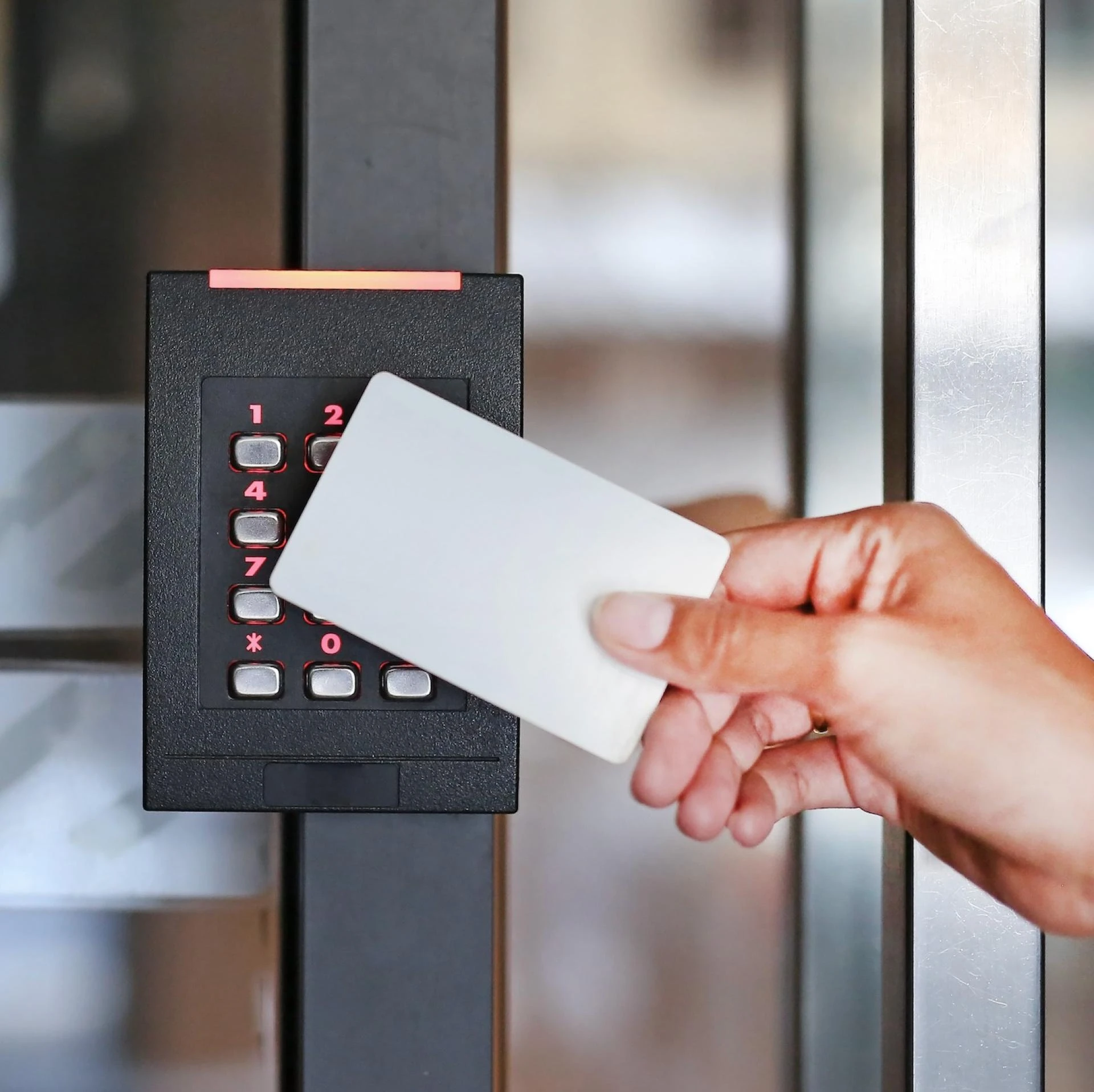

Architects face the challenge of designing structurally sound, visually appealing, and secure spaces. Modern access control systems allow perfect integration into building designs, enhancing security and aesthetics. Through thoughtful planning and the adoption of connected access control technologies, architects can create safe spaces that cater to the security needs of homeowners, businesses, and property managers.
The Role of Access Control in Building Design
Access control is not only a security feature but an integral part of modern building functionality. Traditional systems, like key-based locks or standalone card readers, often disrupt the flow of a building’s design. In contrast, connected access control solutions enable architects to incorporate security measures without compromising aesthetics.
For example, a sleek, glass-fronted office building can integrate digital access panels or touchless entry points that complement its modern facade. Similarly, a residential complex can include discreet access points that blend into the overall architectural theme while offering top-tier security.
Considerations for Architects
To successfully integrate access control into a building’s design, architects should consider the following:
1. Planning for Access Control Early
Incorporating access systems during the early stages of a project saves time and ensures alignment with the building’s layout. Placement of access points, wiring for connectivity, and integration with other systems can be designed to minimize visual clutter.
2. Prioritizing a Connected Access Experience
Modern users value convenience as much as security. A connected access experience allows for features like smartphone-based entry and centralized management. By designing spaces that accommodate these technologies, architects can enhance usability for building occupants and visitors.
3. Harmonizing Technology with Aesthetics
Access control hardware, such as keypads, cameras, and sensors, can be designed to blend with the building’s decor. Custom finishes, recessed installations, and hidden wiring are some ways architects can maintain a cohesive design.
Integration with Building Systems
One of the greatest advantages of modern access control systems is how they integrate with other building technologies. This connected access experience simplifies management and improves overall functionality. For instance:
· Energy Efficiency: Systems can integrate with lighting and HVAC to activate only when spaces are occupied, reducing energy costs.
· Enhanced Security: Access logs can sync with security cameras, allowing real-time monitoring and faster incident responses.
· User-Friendly Design: By connecting with apps or platforms, occupants can customize their access preferences, making the building more adaptable to their lifestyle and schedule.
Future-Proofing Designs
Architects also have to consider the long-term needs of the spaces they create. Future-proofing a building involves anticipating technological advancements and designing adaptable spaces. Connected access control systems can be updated remotely, making implementing improvements without major renovations easier. Wireless technologies reduce the dependency on physical wiring, allowing for easy reconfiguration as access needs change over time.
Why Integrate a Modern Access System?
By integrating advanced access systems, architects can deliver several benefits:
· Improved User Experience: Residents, employees, or visitors enjoy smoother, faster access to spaces.
· Enhanced Property Value: Properties equipped with modern systems are more appealing to buyers, tenants, and businesses.
· Lower Maintenance Costs: Centralized, digital access management minimizes the need for physical replacements or repairs.
· Better Security: Real-time monitoring and alerts improve the building’s safety.
Striking the Balance Between Form and Function
Achieving the right balance between security and design requires architects to think creatively. For example, a luxury residential complex might feature access panels that mimic decorative fixtures, ensuring they don’t detract from the building’s upscale look. Meanwhile, public spaces like libraries or museums can integrate access systems that prioritize functionality while remaining unobtrusive.
Using connected access systems ensures that security is not an afterthought but an inherent part of the design. By considering the flow of people, the purpose of each space, and the access and security needs of occupants, architects can create safe and visually harmonious buildings.
Integrating Access Control for More Controlled Spaces
Designing secure spaces is no longer about adding security features after construction. Instead, it’s about weaving them into the fabric of the building’s design. With tools like modern access control, architects can create secure, user-friendly, and aesthetically pleasing spaces. Modern access systems offer endless possibilities for integration, giving architects the tools to design spaces that meet today’s standards while anticipating tomorrow’s needs. By incorporating these technologies, architects can redefine how security fits into building design, setting a new standard for form and function.













Sign in to leave a comment.