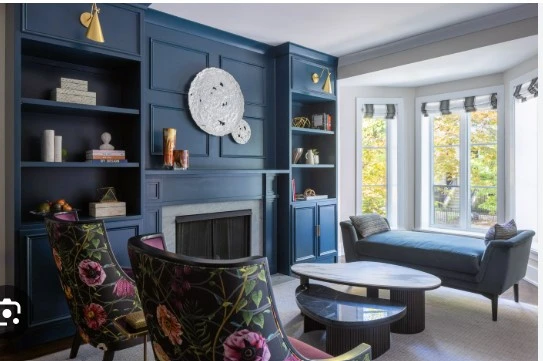
Interior design is more than arranging attractive objects within a room. It is a deliberate process of shaping experiences, influencing behavior, and reflecting identity through spatial composition. Among all the components that define a well-designed interior, furniture holds a uniquely powerful position. It bridges architecture and daily living, translating empty rooms into functional, expressive environments.
From residential apartments to corporate offices and hospitality spaces, furniture plays a central role in determining how people interact with their surroundings. A carefully selected piece can elevate a minimalist space, while a poorly chosen one can disrupt the entire visual narrative. Today, collaboration with a professional furniture design company has become a key step in creating interiors that are cohesive, durable, and aligned with contemporary lifestyles.
The Foundation of Interior Character
Furniture often acts as the anchor of a room’s personality. While wall colors and lighting establish ambiance, furniture defines structure and usability. A sculptural sofa can become the focal point of a living room, while a custom dining table can set the tone for social gatherings.
Interior designers begin by analyzing how a space will be used. Is the environment meant to promote relaxation, collaboration, or productivity? The answer shapes decisions regarding scale, materials, and layout. For example, in a compact urban apartment, multifunctional pieces such as storage-integrated beds or foldable desks help maximize efficiency without compromising style.
In contrast, luxury residences may emphasize statement pieces crafted from natural stone, solid wood, or bespoke upholstery. The choice of furniture ultimately communicates the lifestyle and values of its occupants.
Customization and Personal Expression
One of the strongest trends in modern interior design is personalization. Clients increasingly seek spaces that reflect their individuality rather than standardized showroom aesthetics. Custom furniture enables this level of expression.
Working with a specialized furniture design company allows designers to tailor dimensions, finishes, and materials to fit unique spatial constraints and stylistic preferences. Customization is especially valuable in projects where architectural features require precise measurements, such as built-in shelving around irregular walls or seating that complements panoramic windows.
Beyond size and structure, customization also extends to textures and colors. Velvet upholstery may create warmth in residential spaces, while matte metal finishes introduce sophistication in commercial interiors. The ability to adapt each element ensures harmony throughout the design scheme.
Balancing Aesthetics and Functionality
A successful interior must balance beauty with practicality. Furniture that looks impressive but lacks ergonomic support or durability ultimately diminishes user experience.
In office environments, for instance, seating must prioritize posture and comfort to enhance employee wellbeing. Adjustable chairs, properly aligned desks, and thoughtfully designed meeting tables contribute to productivity and long-term health. Similarly, in hospitality settings, furniture must withstand high usage while maintaining visual appeal.
Designers carefully evaluate materials for longevity. Solid hardwood, engineered composites, and high-performance fabrics are often selected for their resilience. Finishes are chosen not only for appearance but also for maintenance ease.
When aesthetics and functionality align seamlessly, interiors achieve both visual impact and lasting performance.
Sustainability in Modern Furniture Design
Sustainability has become a defining principle in interior design. Clients and designers alike are increasingly conscious of environmental responsibility. Furniture production plays a significant role in this conversation.
Many manufacturers now prioritize responsibly sourced timber, recycled materials, and low-emission finishes. Modular designs also contribute to sustainability by allowing individual components to be replaced instead of discarding entire pieces.
A forward-thinking furniture design company often incorporates eco-friendly processes into its production cycle, from material selection to packaging. This approach not only reduces environmental impact but also resonates with furniture design company clients who value ethical practices.
Incorporating sustainable furniture into interiors enhances both aesthetic integrity and social responsibility.
The Role of Furniture in Spatial Flow
Furniture arrangement influences movement and interaction within a space. Thoughtful placement ensures that circulation remains smooth and intuitive.
In open-plan homes, furniture can subtly define zones without requiring physical partitions. A strategically positioned sofa may separate the living area from the dining space, while a console table can create visual boundaries. In commercial offices, modular seating arrangements foster collaboration and adaptability.
Scale is equally important. Oversized pieces can overwhelm small rooms, while undersized furniture may appear disconnected in larger spaces. Designers carefully measure proportions to maintain balance and cohesion.
The goal is to create interiors that feel both structured and fluid, encouraging natural movement and interaction.
Materials and Textural Contrast
Texture adds depth and character to interior environments. Combining materials such as wood, metal, glass, and fabric creates visual interest and sensory richness.
Natural materials often evoke warmth and authenticity. For example, oak dining tables paired with linen chairs create a relaxed, welcoming atmosphere. Meanwhile, polished stone surfaces and sleek metal frames introduce a contemporary edge.
Layering textures enhances the tactile experience of a space. Soft rugs, upholstered seating, and smooth wooden finishes create contrast that engages the senses. Designers carefully curate these combinations to avoid monotony while maintaining harmony.
Technology Integration in Contemporary Interiors
As technology becomes increasingly embedded in daily life, furniture design has evolved accordingly. Integrated charging stations, hidden cable management systems, and adjustable components reflect modern needs.
Smart furniture solutions are particularly relevant in compact urban dwellings. Fold-away beds, expandable tables, and modular storage systems maximize flexibility without sacrificing style. In corporate settings, conference tables equipped with built-in connectivity support seamless collaboration.
The collaboration between interior designers and a furniture design company ensures that technological features are incorporated discreetly, preserving aesthetic clarity while enhancing convenience.
Cultural Influence and Design Identity
Furniture design often reflects cultural values and traditions. In some regions, craftsmanship rooted in heritage techniques remains highly valued. Hand-carved details or locally sourced materials connect interiors to their cultural context.
At the same time, globalization has introduced diverse design influences. Scandinavian minimalism, Japanese simplicity, and industrial aesthetics frequently intersect within contemporary interiors. Designers blend these elements thoughtfully, creating unique compositions that respect tradition while embracing innovation.
Understanding cultural nuances allows designers to craft interiors that resonate deeply with their intended audience.
Commercial Applications and Brand Expression
In commercial environments, furniture becomes a powerful branding tool. Retail stores use display units and seating arrangements to guide customer flow. Restaurants select furniture that aligns with their culinary identity, whether rustic and casual or refined and elegant.
Corporate offices increasingly prioritize collaborative zones and flexible workspaces. Furniture that supports teamwork and adaptability reflects modern workplace culture.
By partnering with a reliable furniture design company, businesses can ensure that every piece aligns with their brand message and operational requirements.
The Future of Furniture in Interior Design
Looking ahead, adaptability and sustainability will continue shaping the evolution of furniture design. Modular systems that allow reconfiguration will become even more prevalent, supporting dynamic lifestyles and evolving needs.
Biophilic design principles will also influence furniture choices, incorporating natural materials and organic forms that promote wellbeing. Additionally, advancements in manufacturing technologies such as digital fabrication and precision engineering will enable greater customization.
Ultimately, furniture will remain central to the identity and functionality of interior spaces. As design expectations grow more sophisticated, the collaboration between interior designers and specialized manufacturers will become increasingly important.
Conclusion
Furniture is not merely a decorative element within interior design; it is a defining force that shapes comfort, identity, and experience. Through thoughtful selection, customization, and placement, designers transform empty spaces into purposeful environments.
By working closely with a professional furniture design company, interior designers can ensure that each piece contributes to a cohesive narrative while meeting practical demands. In an industry where detail determines distinction, well-crafted furniture continues to serve as the cornerstone of exceptional interiors.












Sign in to leave a comment.