
Content ranking and visibility are always evolving. And the next chapter in this chapter is the AI-friendly SEO content structure. Visibility now depends on whether an AI can find, understand, and trust your page enough to cite it when summarising answers.
Things like thoughtful content architecture, clear headings, answer-first paragraphs, supporting schema markup SEO, and ongoing updates act like a map that guides AI systems to navigate your content effectively.
Therefore, in this article, we will look at how you can synthesise AI understanding and content structure for SEO. But first, we need to understand the basics.
Why Content Structuring Matters For AI Overview?
Before we can dive deep into the right content structure, we must first understand the AI overview. AI Overviews synthesize answers from multiple sources, but they prioritize clear, corroborated, and easy-to-extract information. In short, AI Overview extracts relevant information from structured content to create its own answer for a query.
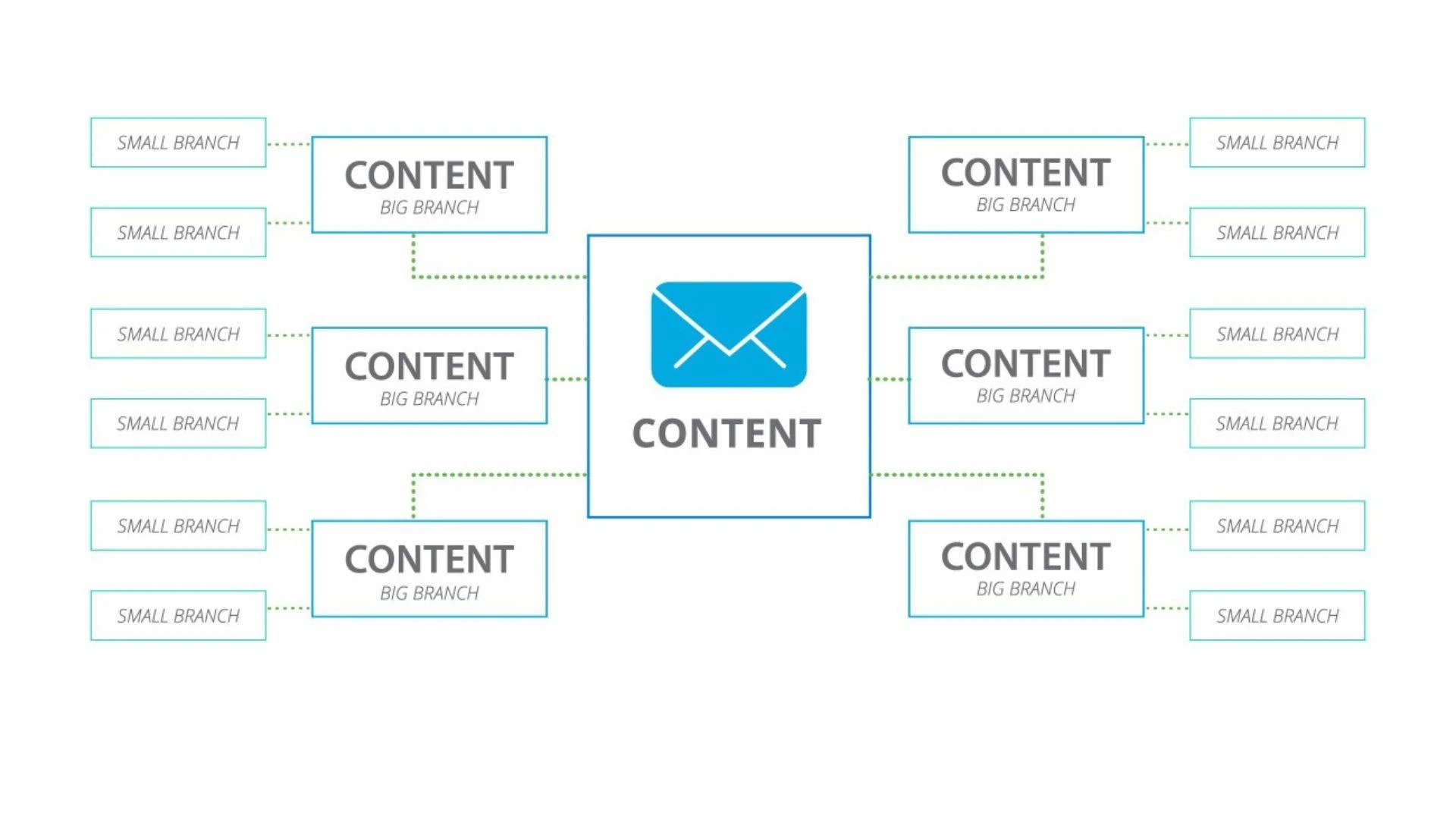
Content structure plays a major role in the grand scheme of things. If your content does not follow a structure, AI systems will have a hard time navigating and parsing information. Therefore, ensuring your structure is clear and AI-friendly is of paramount importance for visibility.
Making Content AI-Friendly
The term ‘AI-friendly’ does not mean writing for robots. It is so much more than that. It is all about making your content not only reader-centric but also favorable for AI. Here are some tips that could help you make your content more AI-friendly:
- Making your content clear and precise by using straightforward language and avoiding convoluted words and hyperbole.
- Using proper structure to make the content feel more organic and readable.
- Answering questions directly and without any sort of fluff.
- Comprehensive coverage of a topic so that AI systems can find the right answers.
All of these things can make your content more responsive to AI systems. Therefore, helping with visibility.
How To Structure Content For AI Overview: Step By Step
We have already stated some of the key elements that you must take care of while writing. However, there is more than what meets the eye. Here is a detailed rundown of a step-by-step guide on how to structure your content for E-E-A-T SEO and visibility:
#1. Keyword Research
The foremost thing about ensuring an AI-friendly content structure for SEO is keyword research. Earlier, creators would follow a simplistic and archaic approach to content creation. SEO professionals would surf through AHREF for relevant keywords and provide them to the writers. The writer would then ‘research’ on these keywords by finding a relevant blog post and simply paraphrasing it into new content.
This method has been one of the most predominant ones followed by industry professionals. However, this would not yield any real results in the current landscape. The important thing now is to understand the intent and the questions one needs to answer. For example, start with questions, not just keywords. Identify the queries your audience actually asks.
Subsequently, map those questions to the intent you are going for. Then follow this intent throughout the content. As a result, this becomes the backbone of your content structure for SEO, ensuring every segment functions as a citable mini-answer that AI can lift without confusion.
#2. Create A Clear Introduction
An introduction is not a mere stepping stone for readers to get into the groove of your content. It should always follow a checklist. In other words, your introduction must:
- (a) Frame the topic.
- (b) State what readers will learn
- (c) Align with user intent in one or two plain-language sentences.
- (d) Integrate the focus keyword in the introductory paragraph organically.
Ticking these boxes will help with AI optimization and information parsing. Therefore, AI systems prioritise this content structure for SEO and visibility.
#3. Use H1 & H2 Effectively
The H1 and H2 headers are crucial for adding structure to your content. Just look at the structure that the blogpost follows.
- There is a dedicated introductory paragraph explaining the intent.
- That is followed by an overview paragraph explaining the importance and some additional titbits regarding the subject.
- Then there are the comprehensive body paragraphs with multiple sub-headers elaborating the subject.
- Finally, everything is tied up with the help of a concluding paragraph.
This structuring not only makes the content easy to read but also AI-friendly. In other words, ensuring that content is effectively parsed or picked up for AI-Overview. As a result, always prioritise following a structure while adding information. unless you want a hodgepodge of information with no clear markers.
Embracing Content Structure For AI Overview
One of the tried and tested means to earn trust signals for SEO is to follow a proper content structure for SEO and visibility. A structure is not just about segregating your content under headers; it is about following a disciplined approach in writing, researching, and organizing your ideas.
Without this discipline, gaining visibility in the current content landscape can be a monumental task. To make your lives easier, follow the structure we have mentioned, or leverage professional content writing services that help create SEO-optimized, well-structured, and engaging content consistently.















Sign in to leave a comment.