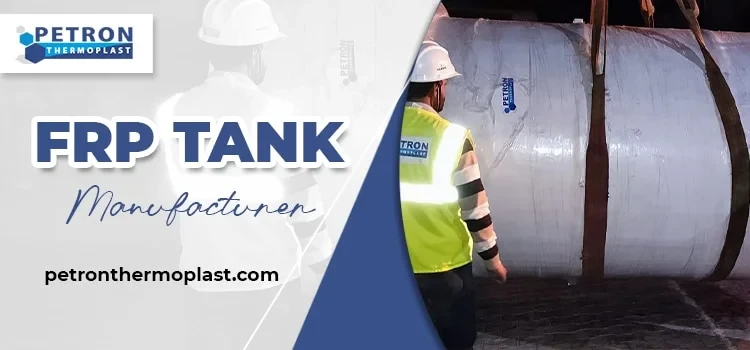

Fiberglass-reinforced plastic (FRP) tanks have revolutionized the storage solutions industry. Renowned for their superior durability and corrosion resistance, FRP tanks have become the go-to choice for various industrial applications. In this blog, we delve into the world of FRP Tank Manufacturer, exploring their applications, benefits, drawbacks, and essential details every potential buyer should know.
What is an FRP Tank?
FRP tanks are constructed using a composite material made of a polymer matrix reinforced with fibers, typically glass fibers. This combination results in a robust and lightweight tank that can withstand harsh environmental conditions, making it ideal for storing a wide range of liquids, including chemicals, water, and wastewater.
Applications of FRP Tanks
- Chemical Storage: FRP tanks are highly resistant to a wide variety of chemicals, making them suitable for storing acids, alkalis, and other corrosive substances.
- Water and Wastewater Treatment: Their resistance to corrosion makes them ideal for use in water treatment plants and wastewater management systems.
- Food and Beverage Industry: The non-toxic nature of FRP makes these tanks suitable for storing consumable liquids and ingredients.
- Oil and Gas Industry: FRP tanks are used for storing fuels and other petroleum products due to their high strength and chemical resistance.
- Agriculture: Farmers use FRP tanks to store fertilizers, pesticides, and water for irrigation purposes.
Advantages of FRP Tanks
- Corrosion Resistance: Unlike metal tanks, FRP tanks do not corrode when exposed to harsh chemicals or environmental conditions, ensuring a longer lifespan.
- Lightweight: FRP tanks are significantly lighter than their metal counterparts, making transportation and installation easier and more cost-effective.
- High Strength: Despite their lightweight nature, FRP tanks offer exceptional strength and durability, capable of withstanding significant internal and external pressures.
- Customizability: FRP tanks can be easily customized in terms of size, shape, and fittings to meet specific requirements.
- Low Maintenance: The inherent properties of FRP materials result in lower maintenance costs over the tank\'s lifetime.
Disadvantages of FRP Tanks
- Cost: Initial costs of FRP tanks can be higher than traditional materials like steel or concrete. However, the long-term benefits often offset this initial investment.
- Temperature Limitations: FRP tanks can be susceptible to damage under extremely high temperatures, limiting their use in certain applications.
- UV Degradation: Prolonged exposure to UV rays can degrade the surface of FRP tanks. This can be mitigated with UV-resistant coatings or proper placement.
Manufacturing Process
The manufacturing process of FRP tanks typically involves the following steps:
- Design and Molding: A mold is created based on the desired tank dimensions and specifications.
- Lamination: Layers of glass fibers are saturated with resin and applied to the mold, building up the tank structure.
- Curing: The tank is cured, allowing the resin to harden and bond the fibers together, creating a solid, durable shell.
- Inspection and Testing: The finished tank undergoes rigorous inspection and testing to ensure it meets quality and safety standards.
Quality Assurance
To ensure the highest quality, FRP tank manufacturers adhere to strict industry standards and certifications. Regular inspections, material testing, and quality control measures are essential to produce tanks that meet or exceed customer expectations.
Conclusion
FRP tanks offer a versatile and reliable solution for a wide range of storage needs across various industries. Their durability, corrosion resistance, and customizability make them a preferred choice despite some drawbacks like initial cost and temperature limitations. When selecting an FRP tank manufacturer, it is crucial to consider their expertise, quality control practices, and the specific requirements of your application to ensure you receive a product that delivers optimal performance and longevity.












Sign in to leave a comment.