

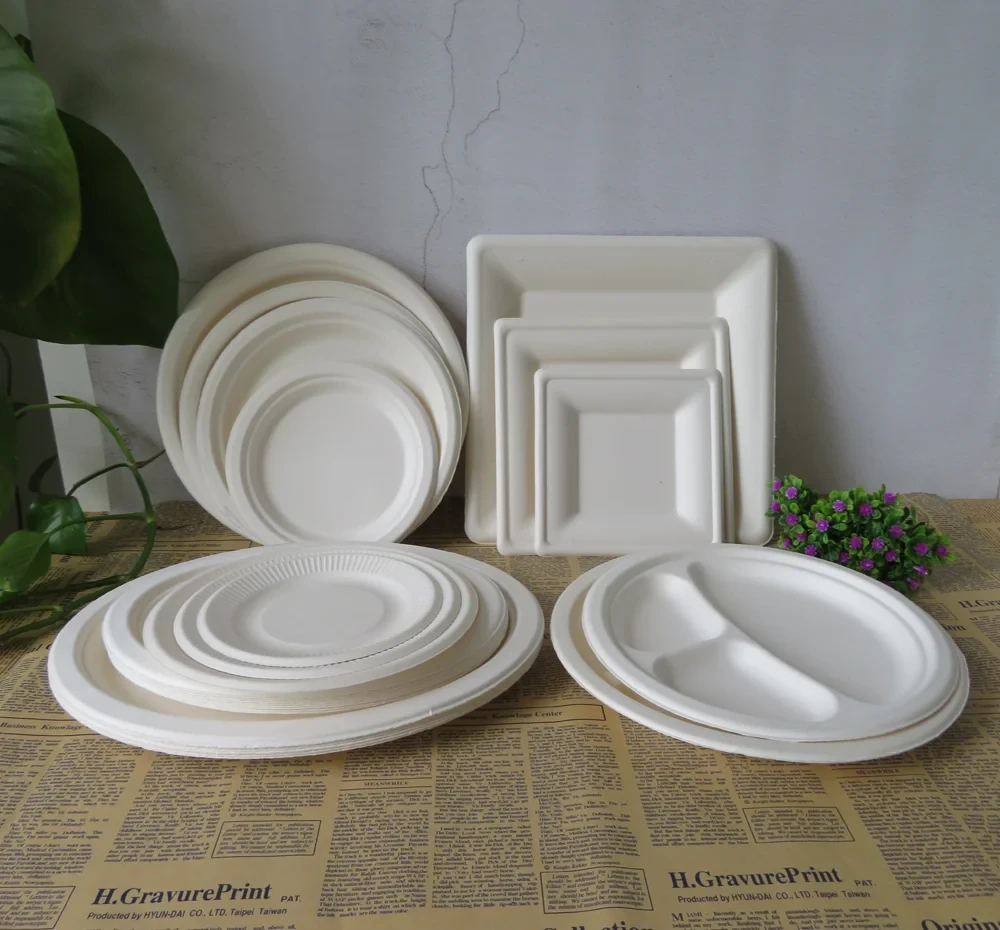
In a world increasingly focused on sustainability, the circular economy has emerged as a powerful model to reduce waste, conserve resources, and create value from what was once considered waste. One remarkable example of this concept in action is the journey of bagasse a byproduct of sugarcane processing from farm to table. This humble agricultural residue is being transformed into eco-friendly products, showcasing how innovation and sustainability can go hand in hand.
What is Bagasse?
Bagasse is the fibrous material left behind after sugarcane stalks are crushed to extract their juice. Traditionally, it was treated as waste, often burned or discarded, contributing to environmental pollution. However, with growing awareness of sustainability, bagasse has found a new purpose as a valuable resource in the circular economy.
The Circular Economy Approach
The circular economy is a system designed to eliminate waste by keeping resources in use for as long as possible. Unlike the traditional linear economy, which follows a "take, make, dispose" model, the circular economy focuses on recycling, reusing, and repurposing materials. Bagasse perfectly fits this model, as it transforms agricultural waste into useful, biodegradable products.
From Farm to Factory: The Transformation of Bagasse
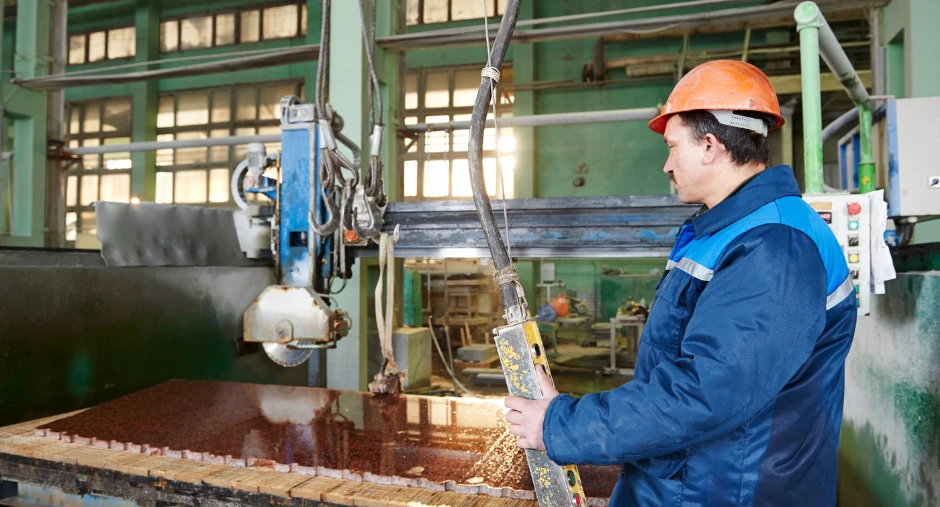
The journey of bagasse begins in sugarcane fields. After harvesting, the sugarcane is processed to extract juice for sugar production. The leftover bagasse is collected and transported to manufacturing facilities, where it undergoes a series of processes to create a variety of products.
1. Pulp Production: Bagasse is cleaned, pulped, and molded into different shapes.
2. Product Manufacturing: It is then used to produce a wide range of eco-friendly items.
3. Finishing Touches: The products are sterilized, dried, and prepared for distribution.
Bagasse Products: A Sustainable Alternative
Bagasse-based products are gaining popularity as eco-friendly alternatives to single-use plastics and Styrofoam. They are:
· Biodegradable and Compostable: Unlike plastic, bagasse products break down naturally, reducing landfill waste.
· Durable and Versatile: They are sturdy, microwave-safe, and suitable for both hot and cold foods.
· Carbon-Neutral: Using bagasse helps reduce greenhouse gas emissions by repurposing agricultural waste.
Here are some of the most common and innovative bagasse products making waves in the market:
1. Food Packaging:
o Plates, Bowls, and Trays: Ideal for picnics, parties, and takeout meals, these products are leak-proof and can handle both hot and cold foods.
o Clamshell Containers: Perfect for takeout and delivery, these containers are sturdy and eco-friendly.
2.Disposable Tableware:
o Cups and Glasses: Great for beverages, these are a sustainable alternative to plastic or paper cups.
o Cutlery: Forks, knives, and spoons made from bagasse are lightweight yet durable.
3.Food Service Products:
o Burger Boxes and Sandwich Wraps: Designed for fast-food restaurants, these products keep food fresh while being environmentally friendly.
o Egg Cartons: A sustainable option for packaging eggs, replacing Styrofoam or plastic cartons.
4.Industrial and Commercial Uses:
o Molded Packaging: Used for electronics, cosmetics, and other consumer goods, bagasse packaging is both protective and sustainable.
o Biodegradable Planters: Ideal for nurseries and gardening enthusiasts, these planters decompose naturally, enriching the soil.
From Table to Soil: Closing the Loop
After use, bagasse products can be composted, returning nutrients to the soil and completing the circular journey. This closed-loop system ensures that resources are reused rather than discarded, minimizing environmental impact.
The Bigger Picture: Supporting Sustainable Practices
The use of bagasse not only reduces waste but also supports sustainable agricultural practices. Farmers benefit from an additional revenue stream, while industries reduce their reliance on non-renewable resources like petroleum-based plastics. Consumers, too, play a crucial role by choosing eco-friendly products that align with their values.
Challenges and Opportunities
While the potential of bagasse is immense, there are challenges to overcome. These include improving production efficiency, increasing consumer awareness, and ensuring proper composting infrastructure. However, with continued innovation and collaboration, these hurdles can be addressed, paving the way for wider adoption of bagasse-based solutions.
Conclusion
The journey of bagasse from farm to table is a shining example of the circular economy in action. By turning agricultural waste into valuable, sustainable products like Bagasse plates, Bagasse bowls, Bagasse food container, and even planters, bagasse demonstrates how we can rethink our relationship with resources and create a more sustainable future. As consumers, businesses, and governments embrace these practices, we move closer to a world where waste is minimized, resources are valued, and the planet thrives.
In the end, bagasse is more than just a byproduct it’s a symbol of what’s possible when innovation meets sustainability. From food packaging to industrial applications, bagasse products are proving that sustainability can be practical, accessible, and impactful.
Recommend Chinese Manufacturer: Bioleader





























Sign in to leave a comment.