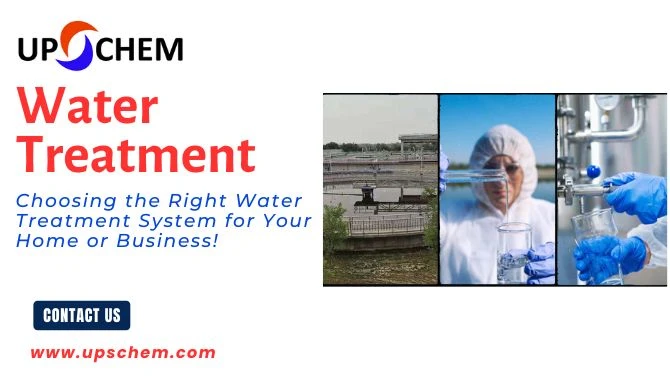
Clean, safe water is essential for every aspect of modern life, from drinking and cooking to manufacturing and sanitation. However, as water sources become increasingly vulnerable to pollution, industrial waste, and natural contaminants, ensuring the quality of your water supply is more important than ever. Whether you are a homeowner concerned about your family’s health or a business owner responsible for the well-being of employees and customers, selecting the right Water Treatment system is a critical decision.
At Shandong UPS Chemical Co., Ltd., we understand that the process of choosing a Water Treatment system can seem overwhelming. With so many technologies, brands, and options available, it’s easy to feel lost in a sea of technical jargon and conflicting advice. Yet, making an informed choice is vital—not only for the safety and taste of your water but also for the efficiency, sustainability, and cost-effectiveness of your operations.
Understanding Water Contaminants
It’s important to understand what you’re trying to remove or control. Water contaminants can be broadly categorized into four groups:
1. Physical Contaminants
These include sediment, dirt, rust, and other particles that can make water appear cloudy or dirty. While not always harmful, they can affect the taste, odor, and appearance of water and may damage plumbing and appliances.
2. Chemical Contaminants
Chemicals such as chlorine, pesticides, heavy metals (like lead and mercury), and industrial solvents can pose serious health risks. Some chemicals are naturally occurring, while others result from human activity.
3. Biological Contaminants
Bacteria, viruses, protozoa, and other microorganisms can cause waterborne diseases. Biological contamination is a major concern for both residential and commercial water supplies.
4. Radiological Contaminants
Elements like uranium and radon can be present in groundwater and pose long-term health risks if not properly treated.
Understanding the specific contaminants in your water supply is the first step toward effective Water Treatment. This typically requires a professional water test, which can identify the presence and concentration of various pollutants.
Types of Water Treatment Systems
There is no one-size-fits-all solution when it comes to Water Treatment. The best system for your home or business depends on the quality of your source water, the contaminants present, and your specific needs. Here are the most common types of Water Treatment systems:
1. Filtration Systems
Filtration is one of the most basic and widely used Water Treatment methods. Filters can remove physical particles, chlorine, and some chemicals. Common types include:
- Sediment Filters: Remove dirt, sand, and rust.
- Activated Carbon Filters: Remove chlorine, bad tastes, odors, and some organic chemicals.
- Ceramic Filters: Block bacteria and protozoa.
2. Reverse Osmosis (RO) Systems
RO systems use a semi-permeable membrane to remove a wide range of contaminants, including dissolved salts, heavy metals, and microorganisms. They are highly effective but can be more expensive and may require pre-filtration.
3. Ultraviolet (UV) Disinfection
UV systems use ultraviolet light to kill bacteria, viruses, and other pathogens. They are often used in combination with other treatment methods, as they do not remove chemicals or physical particles.
4. Water Softeners
Water softeners use ion exchange to remove calcium and magnesium, which cause hardness. Softened water prevents scale buildup in pipes and appliances but does not remove other contaminants.
5. Distillation Units
Distillation involves boiling water and condensing the steam, leaving most contaminants behind. It is effective for removing minerals, heavy metals, and some chemicals, but is energy-intensive and slow.
6. Chemical Feed Systems
These systems add chemicals (such as chlorine or hydrogen peroxide) to disinfect water or remove specific contaminants. They are commonly used in municipal and industrial applications.
7. Combination Systems
Many modern Water Treatment solutions combine multiple technologies to address a broad range of contaminants. For example, a system might use sediment filtration, activated carbon, and UV disinfection in sequence.
Key Factors to Consider When Choosing a Water Treatment System:
Selecting the right Water Treatment system involves more than just picking the most advanced technology. Here are the key factors to consider:
1. Water Quality and Contaminant Profile
Start with a professional water test to identify the specific contaminants in your water. This will guide your choice of treatment technologies.
2. Flow Rate and Capacity
Consider how much water you need to treat each day. Residential systems are typically designed for lower flow rates, while businesses may require high-capacity solutions.
3. Installation and Space Requirements
Some systems, like RO units, require significant under-sink or utility room space. Others, like point-of-entry filters, may need to be installed at the main water line.
4. Maintenance and Operating Costs
All Water Treatment systems require regular maintenance, such as filter changes or membrane cleaning. Factor in the cost and frequency of maintenance when making your decision.
5. Certification and Compliance
Look for systems that are certified by reputable organizations (such as NSF International) and comply with local regulations.
6. Scalability and Flexibility
If your water needs may change in the future, choose a system that can be easily upgraded or expanded.
7. Supplier Reputation and Support
Work with a trusted supplier like Shandong UPS Chemical Co., Ltd., who can provide expert advice, installation support, and after-sales service.
Water Treatment for Homes vs. Businesses
While the basic principles of Water Treatment apply to both homes and businesses, there are important differences in scale, complexity, and regulatory requirements.
- Residential Water Treatment
Homeowners typically focus on drinking water quality, taste, and safety. Common solutions include under-sink RO systems, whole-house filters, and water softeners. Installation is usually straightforward, and maintenance can often be handled by the homeowner. - Commercial and Industrial Water Treatment
Businesses may have more complex needs, such as treating large volumes of water, meeting strict regulatory standards, or addressing specific contaminants related to their industry (e.g., food processing, pharmaceuticals, manufacturing). Commercial systems often require custom design, professional installation, and ongoing technical support.
The Water Treatment Selection Process: Step-by-Step
To help you make the best choice, here’s a step-by-step guide to selecting the right Water Treatment system:
Step 1: Test Your Water
Arrange for a comprehensive water analysis to identify contaminants and assess water quality.
Step 2: Define Your Goals
Decide what you want to achieve—improved taste, removal of specific contaminants, softened water, or compliance with regulations.
Step 3: Research Treatment Options
Learn about the different technologies available and how they address your specific needs.
Step 4: Consult with Experts
Contact a reputable supplier like Shandong UPS Chemical Co., Ltd. for professional advice and recommendations.
Step 5: Evaluate Costs and Benefits
Consider both the upfront and ongoing costs, as well as the benefits in terms of water quality, health, and equipment protection.
Step 6: Plan for Installation and Maintenance
Ensure you have the necessary space and resources for installation, and understand the maintenance requirements.
Step 7: Monitor and Adjust
After installation, regularly monitor water quality and system performance. Adjust maintenance schedules or upgrade components as needed.
Common Mistakes to Avoid When Choosing a Water Treatment System
- Skipping the Water Test: Without knowing what’s in your water, you risk choosing an ineffective system.
- Overlooking Maintenance: All systems require upkeep. Neglecting maintenance can lead to poor performance or system failure.
- Ignoring Flow Rate Needs: Undersized systems can’t keep up with demand, while oversized systems may waste resources.
- Focusing Only on Price: The cheapest option may not provide the best long-term value or protection.
- Not Considering Future Needs: Choose a system that can adapt to changes in water quality or usage.
The Shandong UPS Chemical Co., Ltd. Advantage
At Shandong UPS Chemical Co., Ltd., we are committed to helping customers achieve safe, clean, and reliable water through advanced Water Treatment solutions. Here’s what sets us apart:
1. Comprehensive Product Range
We offer a wide variety of Water Treatment systems and chemicals, from residential filters to industrial-scale solutions.
2. Expert Consultation
Our team of water quality experts provides personalized recommendations based on your unique needs and water analysis.
3. Quality Assurance
All our products are rigorously tested and certified to meet international standards.
4. Professional Installation and Support
We offer professional installation services and ongoing technical support to ensure your system operates at peak performance.
5. Sustainability Commitment
Our solutions are designed to minimize waste, conserve energy, and protect the environment.
Choosing the right Water Treatment system for your home or business is a vital step toward ensuring health, safety, and operational efficiency. By understanding your water quality, exploring available technologies, and working with a trusted partner like Shandong UPS Chemical Co., Ltd., you can make an informed decision that delivers lasting benefits.
Frequently Asked Questions (FAQ)
Q1: How often should I test my water?
It’s recommended to test your water at least once a year, or whenever you notice changes in taste, odor, or appearance. Businesses may need more frequent testing to comply with regulations.
Q2: Can a single Water Treatment system remove all contaminants?
No single system can remove every type of contaminant. Often, a combination of technologies is needed for comprehensive treatment.
Q3: How do I know which Water Treatment system is right for me?
Start with a water test, then consult with experts who can recommend systems based on your specific water quality and needs.
Q4: Are Water Treatment systems expensive to maintain?
Maintenance costs vary by system type. Simple filters may only require periodic cartridge changes, while RO systems and commercial units may need more frequent servicing.
Q5: Will a Water Treatment system improve the taste of my water?
Yes, many systems—especially those with activated carbon filters—can significantly improve taste and odor by removing chlorine and organic compounds.
Q6: Is professional installation necessary?
For complex or large-scale systems, professional installation is recommended to ensure safety and optimal performance. Some residential systems can be installed by homeowners.
Q7: How long do Water Treatment systems last?
Lifespan depends on the type of system, usage, and maintenance. With proper care, most systems will last several years.
Q8: Can Water Treatment systems help with hard water?
Yes, water softeners are specifically designed to address hardness by removing calcium and magnesium ions.
Q9: Are Water Treatment systems environmentally friendly?
Many modern systems are designed for efficiency and minimal waste. Look for systems with recyclable filters and low energy consumption.
Q10: What support does Shandong UPS Chemical Co., Ltd. offer after purchase?
We provide ongoing technical support, maintenance services, and replacement parts to ensure your system continues to deliver high-quality water.











Sign in to leave a comment.