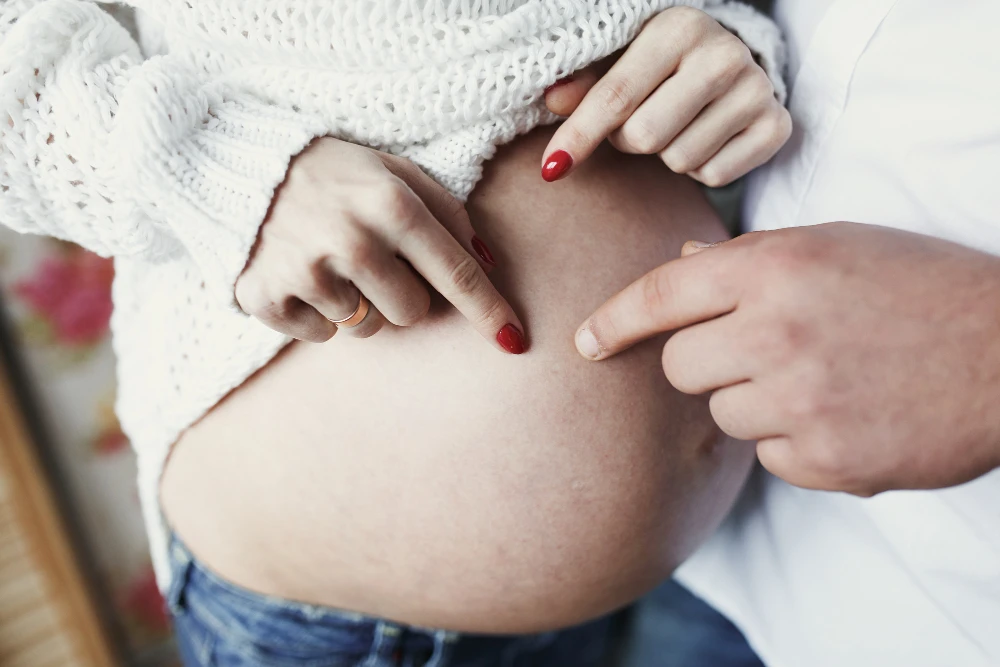

Pregnancy is a transformative journey, both emotionally and physically. While it brings the joy of nurturing new life, it also comes with changes in the body, including stretch marks. These marks are a common occurrence, but understanding their causes can help in managing and minimizing them effectively.
1. Rapid Skin Stretching
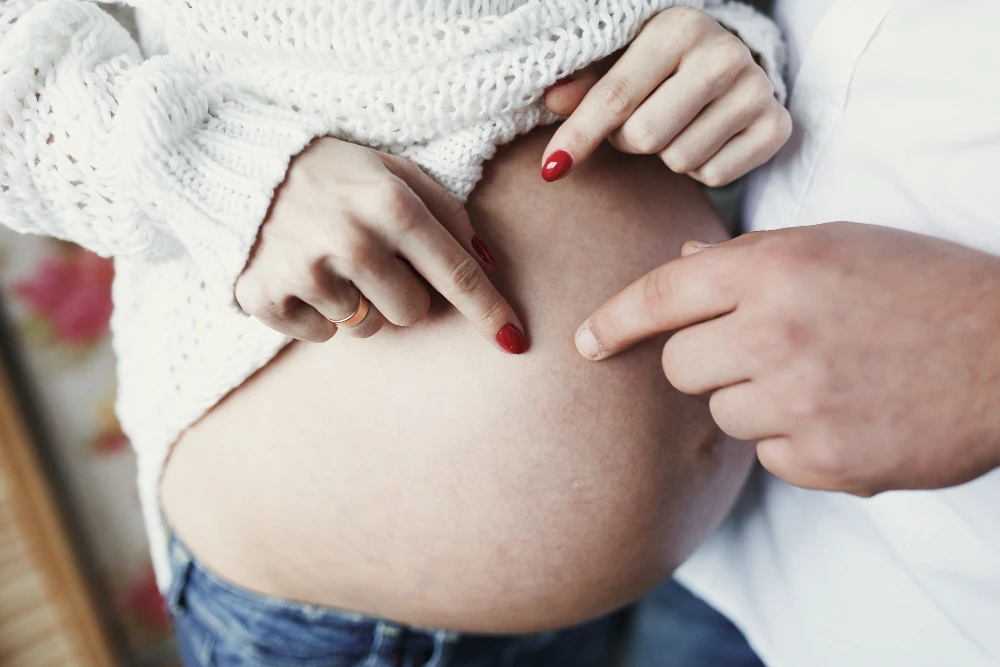
One of the primary causes of stretch marks during pregnancy is the rapid stretching of the skin. As the baby grows, the abdominal skin expands significantly to accommodate the growing uterus. This sudden stretching can exceed the skin’s elasticity, leading to small tears in the dermis, which appear as stretch marks.
2. Hormonal Changes
Pregnancy triggers a surge in hormones like cortisol and estrogen, which can affect the skin’s elasticity. Cortisol, in particular, reduces the production of collagen, a protein essential for keeping the skin supple and resilient. Lower collagen levels make the skin more prone to developing stretch marks, especially in areas experiencing rapid growth.
3. Genetics
Genetics play a significant role in determining whether a pregnant individual will develop stretch marks. If close family members, like a mother or sister, experienced stretch marks during pregnancy, it is more likely that these marks may appear as well. Genetics also influence skin type, elasticity, and the severity of the marks.
4. Weight Gain During Pregnancy
Healthy weight gain is a natural part of pregnancy, but excessive or rapid weight gain can increase the likelihood of stretch marks. The skin has a limit to how much it can stretch, and gaining weight too quickly can put additional strain on the skin, especially in areas like the abdomen, thighs, and breasts.
5. Skin Type and Hydration Levels
Skin that is naturally dry or less hydrated is more prone to developing stretch marks. Hydrated skin tends to be more elastic and resilient, making it less likely to tear when stretched. Proper hydration, both internal (through water intake) and external (using moisturizers), can help maintain skin elasticity.
Tips to Minimize Stretch Marks During Pregnancy
While it’s not always possible to prevent stretch marks entirely, certain steps can help minimize their appearance:
- Use moisturizing creams or oils rich in Vitamin E and cocoa butter to keep the skin hydrated.
- Maintain a healthy and gradual weight gain during pregnancy.
- Stay hydrated by drinking plenty of water daily.
- Consume a balanced diet with nutrients that support skin health, such as Vitamin C, zinc, and protein.
Conclusion
Stretch marks are a natural part of the pregnancy journey for many individuals. Understanding their causes, such as rapid skin stretching, hormonal changes, and genetics, can help manage expectations and focus on effective preventive measures. Embracing these marks as a sign of life’s incredible changes can also lead to a more positive outlook during this transformative time.

Sign in to leave a comment.