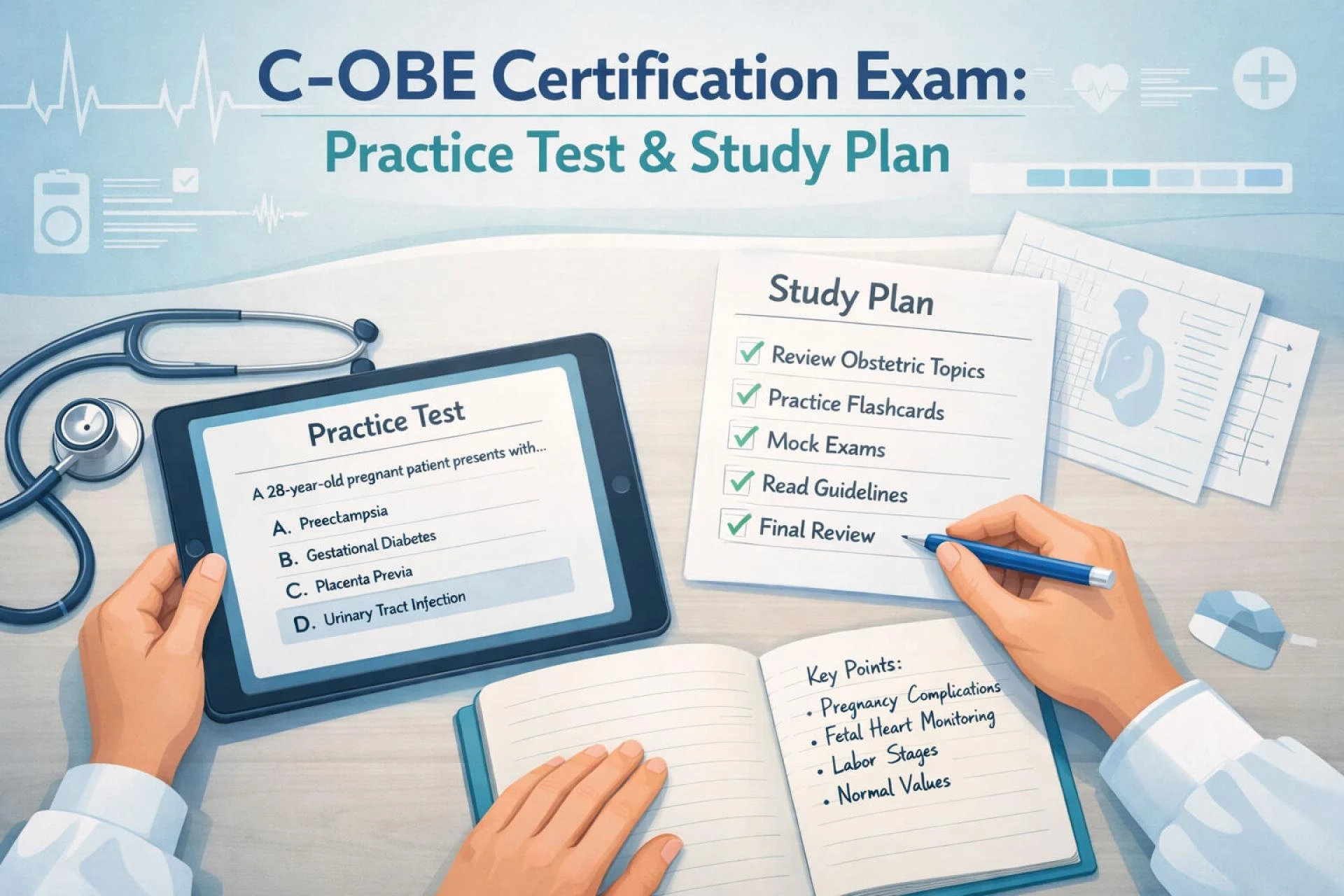

The National Certification Corporation (NCC) C-OBE certification validates specialized knowledge and expertise required to manage obstetric emergencies effectively. This crucial credential empowers registered nurses and other healthcare professionals involved in obstetric care to respond confidently and competently during critical situations. Professionals aspiring to achieve this significant designation can significantly enhance their readiness through comprehensive preparation, including utilizing a C-OBE Practice Test. This article explores the immense value of the C-OBE certification, outlines the exam's critical areas, and details how strategic practice can solidify your understanding and boost confidence for the NCC Obstetric Emergencies exam.
Validating Expertise: The C-OBE Certification Purpose
The C-OBE certification, offered by the National Certification Corporation (NCC), is a specialized credential designed for healthcare professionals who manage obstetric emergencies. This certification signifies a commitment to excellence and a verified competence in the rapid assessment, intervention, and stabilization of maternal and fetal patients facing critical obstetric events. Achieving this certification demonstrates an advanced level of understanding and skill crucial for improving patient outcomes in high-stress clinical environments.
Healthcare providers who earn the C-OBE are recognized for their specialized abilities in scenarios such as hemorrhage, preeclampsia, shoulder dystocia, and umbilical cord prolapse. The certification not only boosts individual professional credibility but also enhances the overall quality and safety of obstetric care within healthcare institutions. It provides a standardized benchmark for expertise, ensuring that certified professionals are equipped with the most current evidence-based practices to navigate complex and time-sensitive situations.
Unpacking the NCC C-OBE Exam Structure
Understanding the foundational architecture of the NCC Obstetric Emergencies (C-OBE) exam is a critical step for any candidate. The National Certification Corporation meticulously designs this assessment to evaluate a candidate’s practical knowledge and decision-making capabilities in a range of emergency scenarios. Familiarity with the exam’s format, duration, and scoring mechanism can significantly demystify the testing experience and allow for more focused preparation. The C-OBE is a challenging yet fair assessment of a professional's readiness.
Exam Logistics and Scoring
The C-OBE exam is a computer-based test that rigorously assesses a candidate's grasp of obstetric emergency management. Candidates are provided with 120 minutes to complete the examination, allowing ample time to thoughtfully consider each question without undue time pressure. The total number of questions administered is 125, which includes a mix of scored items and pretest items that do not contribute to the final score but are used for future exam development.
Key details regarding the C-OBE exam administration include:
- Exam Price: The total cost for the exam is $210, comprising a $50 non-refundable application submission cost and a $160 testing fee.
- Duration: Candidates have 120 minutes to complete the test.
- Number of Questions: The exam consists of 125 questions, with 100 scored items and 25 pretest items.
- Passing Score: The NCC uses a pass/fail system, with an approximate passing score of 72%. More comprehensive details regarding these criteria can be found on the official NCC page.
Core Competencies for Obstetric Emergency Response
The NCC C-OBE exam's content outline reflects the multifaceted nature of obstetric emergencies, focusing on critical domains essential for effective clinical practice. These areas are carefully weighted to ensure that candidates demonstrate proficiency across the most vital aspects of patient assessment, intervention, and professional conduct. Mastering these core competencies is paramount for any healthcare professional aiming for C-OBE certification and, more importantly, for providing optimal patient care. The syllabus topics are structured to build a comprehensive understanding of emergency scenarios.
Key Content Domains
The C-OBE syllabus delineates the knowledge areas tested, emphasizing practical application and clinical judgment. A significant portion of the exam is dedicated to the immediate and ongoing management of emergencies, highlighting its real-world relevance.
- Assessment and Prevention - 20%: This section focuses on the ability to identify risk factors, perform rapid patient assessments, interpret signs and symptoms, and implement preventative measures to avert or mitigate obstetric emergencies. It includes understanding maternal physiology changes during pregnancy and the postpartum period, recognizing deviations from normal, and initiating appropriate screening.
- Identification, Management, and Treatment of Obstetric and Postpartum Emergencies - 75%: This substantial portion covers the critical skills needed to recognize, intervene, and treat various acute conditions. Topics include specific emergencies such as obstetric hemorrhage, hypertensive disorders (e.g., preeclampsia, eclampsia), shoulder dystocia, cord prolapse, amniotic fluid embolism, maternal cardiac arrest, and postpartum complications. It evaluates knowledge of pharmacological interventions, procedural skills, and teamwork in managing these time-sensitive situations. For a deeper understanding of various clinical presentations and treatment approaches, exploring resources on obstetric emergency management can be beneficial.
- Professional Practice - 5%: This smaller but crucial section addresses ethical considerations, legal responsibilities, communication strategies, and the importance of interdisciplinary collaboration in emergency obstetric care. It assesses a candidate's understanding of their role within the healthcare team and their adherence to professional standards and guidelines.
This structured approach ensures that certified professionals possess a well-rounded skill set, from proactive assessment to swift, decisive intervention.
Elevating Clinical Confidence with a C-OBE Practice Test
Achieving competence in obstetric emergencies demands more than just theoretical knowledge; it requires the ability to apply that knowledge under pressure. A high-quality C-OBE practice test serves as an indispensable tool in this journey, transforming abstract concepts into actionable insights. Engaging with practice questions simulates the actual exam environment, helping candidates build not only their knowledge base but also their test-taking stamina and strategic thinking. This structured self-assessment process is crucial for identifying areas of strength and, more importantly, pinpointing where further study is needed.
Simulating the Exam Environment
Taking a practice test offers a realistic preview of the actual NCC Obstetric Emergencies exam. It allows candidates to familiarize themselves with the question formats, timing constraints, and the overall rhythm of the test. This exposure reduces anxiety on exam day, enabling a more focused and confident performance. By repeatedly engaging with timed simulations, you can refine your pacing, ensuring you allocate sufficient time to complex questions while efficiently moving through others. This environmental simulation is a key component of effective preparation, helping to build both mental and psychological readiness.
Targeted Knowledge Reinforcement
Beyond simulation, practice tests are powerful diagnostic tools. Each question acts as a learning opportunity, reinforcing correct answers and highlighting misconceptions. When reviewing practice test results, paying close attention to explanations for both correct and incorrect answers deepens understanding and strengthens recall. This iterative process of testing, reviewing, and re-studying is a highly effective method for solidifying complex clinical concepts. For a comprehensive resource tailored to the C-OBE exam, consider exploring a dedicated C-OBE practice test to reinforce your preparation.
Strategic Preparation Pathways for the C-OBE Exam
A systematic and multi-faceted approach is key to successfully passing the NCC C-OBE exam. Relying solely on a single study method may not cover the breadth and depth of knowledge required. Instead, integrating various resources and techniques can create a robust preparation pathway, ensuring all critical areas of the syllabus are thoroughly understood and retained. Developing a well-structured study plan is foundational to this process, allowing for consistent progress and effective time management.
Comprehensive Study Approaches
Candidates should consider a combination of resources to build their knowledge base. Review courses, either online or in-person, can provide structured learning and expert guidance on complex topics. Textbooks and comprehensive study guides offer detailed explanations and clinical scenarios, reinforcing theoretical knowledge. Engaging with peer study groups or professional forums can also provide diverse perspectives and clarify challenging concepts, fostering collaborative learning that enhances retention.
- Review Courses: Structured learning with expert instructors, often covering key exam topics and strategies.
- Textbooks & Study Guides: Detailed content, case studies, and practice questions to deepen understanding.
- Peer Study Groups: Collaborative learning environment for discussing difficult concepts and sharing insights.
- Flashcards & Mnemonics: Effective tools for memorizing critical facts, definitions, and treatment algorithms.
Leveraging the Official Candidate Guide
The National Certification Corporation provides an invaluable resource: the C-OBE Candidate Guide. This document typically outlines the exam content, eligibility requirements, application process, and testing procedures. Reviewing the official candidate guide is essential for understanding the NCC's expectations and ensuring you meet all prerequisites. It often contains a detailed content outline that can serve as a personal checklist for your study plan, ensuring no critical area is overlooked. Understanding these guidelines can help streamline your preparation and application process. For insights into broader certification benefits, exploring certification's professional value can also be highly informative.
Accelerating Career Growth with C-OBE Certification
Earning the C-OBE certification is more than just passing an exam; it's a significant milestone that can profoundly impact a healthcare professional's career trajectory. This specialized credential demonstrates an elevated level of commitment and expertise, opening doors to new opportunities and enhancing professional standing. In a rapidly evolving healthcare landscape, certifications like the C-OBE become vital differentiators, signaling a readiness to take on advanced roles and contribute significantly to patient care excellence.
Professional Recognition and Impact
Certified professionals often gain increased recognition from peers, employers, and patients alike. The C-OBE designation validates a nurse's specialized knowledge in a high-stakes field, leading to enhanced trust and confidence in their abilities. This recognition can translate into opportunities for leadership roles, specialized unit assignments, or participation in quality improvement initiatives within their institution. It signals a dedication to continuous learning and maintaining up-to-date skills, which is highly valued in clinical settings. The impact extends to patient safety, as certified nurses are better equipped to handle complex and urgent situations, contributing to better outcomes for mothers and infants.
Expanding Your Role and Opportunities
With a C-OBE certification, nurses may find themselves eligible for positions requiring advanced clinical judgment and specialized skills, such as charge nurse in labor and delivery, clinical educator, or even nurse manager. It can also provide a competitive edge when seeking new employment or pursuing career advancement within their current organization. Beyond direct patient care, certified individuals are often sought after for roles in policy development, professional mentoring, or serving on clinical committees. This diversification of professional roles underscores the wide-ranging value of such a specialized credential, fostering personal and professional development that can lead to enhanced earning potential.
Choosing Reputable Study Materials and Ethical Practices
The pursuit of C-OBE certification requires diligent study and a commitment to ethical preparation. The vast array of study materials available can be both a blessing and a challenge, making it crucial to discern between credible resources and unreliable ones. Prioritizing high-quality content not only ensures effective learning but also upholds the integrity of the certification process itself. Engaging in ethical study practices is fundamental to building genuine expertise and confidence for the exam.
Distinguishing Quality Resources
When selecting study materials, prioritize resources developed by reputable organizations, certified experts, or official NCC-approved providers. Look for content that is regularly updated to reflect current clinical guidelines and best practices in obstetric emergencies. Effective study tools often include comprehensive textbooks, online courses with interactive elements, and realistic practice tests. Always cross-reference information from multiple reliable sources to ensure accuracy and a well-rounded understanding. Testimonials and reviews from other certified professionals can also offer valuable insights into the efficacy of different preparation materials.
Upholding Professional Integrity
It is paramount to avoid unauthorized or "dump" materials, which often contain actual exam questions that have been illegally obtained. Relying on such resources undermines the entire certification process, can lead to invalid exam results, and compromises professional integrity. Furthermore, these materials are frequently outdated or contain incorrect information, leading to inadequate preparation and potential failure. True mastery comes from understanding the underlying concepts, not memorizing specific questions. Adhering to ethical study practices ensures that the C-OBE certification genuinely reflects a candidate's hard-earned knowledge and competence.
Sustaining Excellence in Obstetric Emergency Preparedness
Achieving the C-OBE certification is a significant accomplishment, but the journey of professional development in obstetric emergencies does not end there. The field of healthcare, particularly in critical care, is continuously evolving with new research, guidelines, and technologies. Sustaining excellence requires an ongoing commitment to learning, skill refinement, and active participation in the professional community. This continuous engagement ensures that certified professionals remain at the forefront of evidence-based practice and can consistently provide the highest standard of care.
Maintaining proficiency in obstetric emergency management involves several key components. Regular participation in continuing education programs, attending specialized workshops, and reviewing current medical literature are crucial for staying informed about the latest advancements. Many certification bodies, including NCC, require continuing education units (CEUs) for recertification, emphasizing the importance of lifelong learning. Furthermore, actively engaging in clinical practice where these skills are routinely applied reinforces expertise and helps in the retention of critical decision-making abilities. This dedication to ongoing learning reinforces the value of the C-OBE credential over time.
Conclusion: The NCC C-OBE certification stands as a testament to specialized expertise and a commitment to excellence in obstetric emergency care. Through diligent preparation, including the strategic use of C-OBE practice tests, healthcare professionals can not only pass the challenging examination but also solidify their clinical knowledge and confidence. This credential significantly enhances professional standing, expands career opportunities, and, most importantly, equips individuals with the critical skills needed to safeguard the lives of mothers and infants during urgent situations. Embrace the opportunity to elevate your practice and contribute to safer outcomes in obstetric care.
Embark on your journey to C-OBE certification with confidence and a well-defined study plan. Leverage comprehensive resources and ethical preparation strategies to build a strong foundation. For further guidance and to explore additional avenues for professional growth, consider seeking expert insights to empower your certification goals.
Frequently Asked Questions
1. What is the C-OBE certification?
The C-OBE certification is the National Certification Corporation (NCC) credential for Obstetric Emergencies. It validates specialized knowledge and expertise in managing critical situations involving maternal and fetal patients during pregnancy, labor, delivery, and postpartum.
2. Who should consider taking the C-OBE exam?
Registered nurses and other healthcare professionals who routinely care for obstetric patients and manage obstetric emergencies are ideal candidates. This includes labor and delivery nurses, obstetric emergency department staff, and maternal-fetal transport nurses.
3. How important is a C-OBE practice test for exam preparation?
A C-OBE practice test is highly important as it helps simulate the actual exam environment, familiarizes candidates with question formats, assesses knowledge gaps, and builds confidence and test-taking stamina. It is a critical component of a comprehensive study strategy.
4. What are the main benefits of holding the C-OBE certification?
Benefits include enhanced professional recognition, improved career opportunities, increased confidence in managing high-risk situations, and a validated commitment to providing high-quality, evidence-based care in obstetric emergencies, ultimately contributing to better patient outcomes.
5. Are there specific ethical considerations when preparing for the C-OBE exam?
Yes, ethical preparation involves using legitimate study resources and avoiding "exam dumps" or unauthorized materials. Relying on reputable, updated study guides and practice tests ensures genuine knowledge acquisition and upholds the integrity of your professional credential.










Sign in to leave a comment.