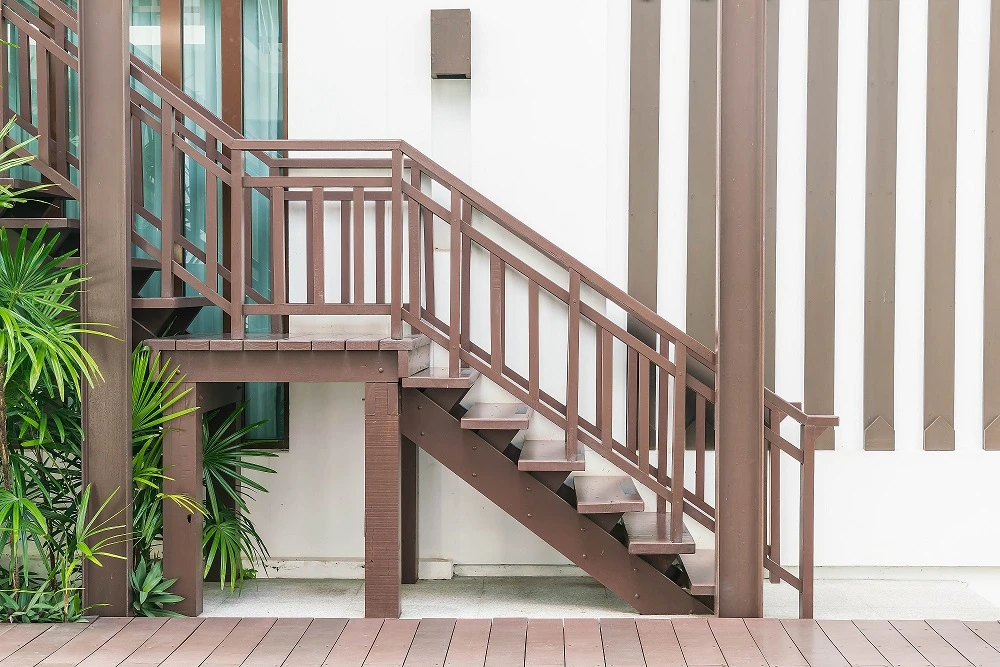

Balustrades are a pivotal part of architecture. The term 'balustrade' refers to a series of vertical pillars or columns, often referred to as 'balusters', which are connected by a rail. These elements are used primarily for safety, preventing falls from staircases, balconies, or terraces.
However, the importance of balustrades extends far beyond safety concerns. These elements can significantly influence the aesthetic appeal and overall design of your home. They serve as functional, safety-enhancing features and can transform a space, contributing to the overall feel of the home.
The choice of material for your balustrades is of immense significance. It determines not only the look and feel of your space but also the level of maintenance required and its overall lifespan. Therefore, one must carefully consider both practical and aesthetic factors while choosing a balustrade material.
The Various Materials for Balustrades
Balustrades can be constructed from a variety of materials, each bearing its own distinct characteristics. Some of the popular choices today are wood, iron, stainless steel, glass, and composite materials.
Wooden balustrades lend a classic, timeless touch to your home and are adaptable to various aesthetics, from rustic to modern minimalistic. Iron, on the other hand, exudes an old-world charm and provides excellent strength and durability but may require more frequent maintenance. Stainless steel and glass both offer a sleek, modern look. Stainless steel is low maintenance and extremely sturdy, while glass can create an illusion of extra space and light. Composite materials, a mix of two or more substances, are also gaining popularity due to their flexibility and diversity.
Wood Balustrades
Wood is undoubtedly a classic choice for balustrades, adding warmth and natural beauty to any design. Hardwoods like oak, ash, and walnut are popular for their strength and rich colours, while softwoods like pine and cedar are lighter, cheaper, and easier to work with.
Despite its aesthetic appeal, wood does pose challenges. It can be prone to rot, pests, and damage from weather exposure. It also requires regular maintenance—painting or staining—to keep its fresh, new look.
However, with proper care and maintenance, wooden balustrades can last for decades. Regular repainting or resealing protects the wood from the elements, and the application of insecticides can prevent infestations.
Iron Balustrades
Iron balustrades have been in use for centuries, offering a timeless appeal that fits both traditional and modern homes. They’re admired for their strength, durability, and customisation possibilities.
However, iron also has its drawbacks. It can be prone to rust if not treated correctly, which impacts its durability and aesthetics. Plus, iron balustrades tend to be heavier than other types and might require stronger support structures.
Maintaining iron balustrades often involves regular inspections for rust, careful cleaning, and immediate fixing of any damage. Anti-rust paint or powder coating may also be used to safeguard against rusting.
Stainless Steel Balustrades
Stainless steel balustrades offer a sleek, modern aesthetic that suits contemporary homes. They’re admired for their corrosion resistance, strength, and durability.
However, stainless steel can show fingerprints and smudges more readily than other materials. It's also more expensive than alternatives like iron or wood.
Cleaning stainless steel balustrades is relatively straightforward. Regular wiping with a microfibre cloth and using specialised cleaners can help maintain their shiny, sleek appearance.
Glass Balustrades
Glass balustrades are a popular choice for achieving an open, airy look. They offer unobstructed views and a sensation of increased space. However, glass can be fragile and might require careful handling and frequent maintenance to keep it looking pristine.
Cleaning glass balustrades involves regular wiping with a glass-friendly cleaner to avoid spots and smudges. For safety purposes, it's crucial to use heat-strengthened or tempered glass that resists shattering.
Composite Materials for Balustrades
Composite materials, comprised of two or more materials, offer great flexibility. Commonly used composites include wood-polymer composites and fibre-reinforced plastics.
These materials are durable, low-maintenance, and can be made to mimic the appearance of wood or other natural materials. However, the initial costs are typically higher than that of natural materials, and some people don't find the artificial look as appealing.
Balustrade Regulations in Australia
In Australia, building regulations stipulate certain requirements for balustrades concerning their height, strength, and gaps between balusters. These rules ensure the safety and integrity of these structures. It's crucial to familiarise oneself with these standards before installation.
Tips On Selecting The Perfect Balustrade Material
Selecting the perfect balustrade material requires careful consideration of various factors, including aesthetics, lifestyle, maintenance, cost, and compliance with safety regulations.
Conclusion
Choosing the right balustrade involves a careful assessment of your aesthetic preferences, lifestyle factors, maintenance willingness, and budget. Regardless of the material chosen, remember to heed Australian safety standards and maintain your balustrade properly to ensure its longevity. Make your balustrade a statement feature in your home that serves both safety and design purposes.










Sign in to leave a comment.