
The garden is a place of patience. Of rhythm. Of quiet rewards that unfold over seasons rather than days. Among the most enduring and generous inhabitants of this cultivated world is the Asparagus Plant—a perennial marvel that offers both ornamental grace and culinary abundance.
Unlike fleeting annual vegetables that demand replanting each year, asparagus establishes itself as a long-term resident. It settles in. It deepens its roots. And once mature, it provides tender spears for well over a decade. Few crops combine resilience and refinement so elegantly.
The Botanical Character of the Asparagus Plant
The Asparagus Plant (Asparagus officinalis) is a herbaceous perennial distinguished by its slender emerging shoots and later, its feathery fern-like foliage. Those delicate green spears seen in kitchens and markets are in fact young stems harvested before they unfurl into airy plumes.
Left uncut, the shoots elongate dramatically, transforming into tall, wispy fronds that sway with the slightest breeze. In midsummer light, they create a soft, almost ethereal texture in the landscape. This metamorphosis—from edible spear to ornamental foliage—is one of the plant’s most captivating traits.
Beneath the soil lies its true strength: a robust crown and expansive root system that store energy year after year. This subterranean architecture is what enables the plant’s remarkable longevity.
A Study in Patience and Planning
Growing the Asparagus Plant requires foresight. Unlike quick-harvest vegetables, asparagus asks for an initial investment of time. The first year is devoted to establishment. The second builds strength. Only by the third season does generous harvesting truly begin.
Impatience, in this case, is counterproductive.
Site selection is paramount. The plant thrives in full sunlight—at least six to eight hours daily—and demands well-drained, friable soil. Heavy clay or waterlogged ground can lead to crown rot, a condition that undermines the plant’s vitality. Amending soil with compost or well-rotted organic matter enhances both structure and fertility.
Planting typically involves dormant crowns set in shallow trenches. As shoots emerge, soil is gradually filled in, encouraging sturdy growth. Spacing is equally essential; generous intervals allow roots to expand without competition.
Once established, the Asparagus Plant becomes surprisingly self-sufficient.
Seasonal Rhythms and Harvesting Technique
Spring marks the beginning of the harvest window. Spears rise swiftly from the soil, sometimes growing several inches in a single day. Timing is critical. Harvest when spears reach approximately 6 to 8 inches in height and before their tips begin to loosen.
A sharp knife or a gentle snap at ground level ensures clean removal. Overharvesting, particularly in early years, weakens the crown. Moderation preserves longevity.
After the harvest period concludes—typically six to eight weeks—the remaining shoots are allowed to mature. They stretch upward, forming a delicate canopy of green. These ferns perform vital photosynthesis, channeling nutrients back to the roots in preparation for the following season.
In autumn, once the foliage turns golden or russet, it may be cut back to ground level. Mulching through winter protects crowns from temperature fluctuations.
Nutritional Virtues and Culinary Elegance
Beyond its horticultural intrigue, the Asparagus Plant is prized for its nutritional composition. Fresh spears are abundant in vitamins A, C, and K, along with folate and dietary fiber. They also contain antioxidants such as glutathione, known for its role in cellular protection.
Flavor is nuanced. Slightly grassy. Subtly sweet. When harvested fresh, asparagus possesses a crisp tenderness rarely replicated in store-bought produce that has traveled long distances.
Preparation can be simple—light steaming, roasting with olive oil, or a quick sauté with herbs. Complexity is unnecessary when freshness is paramount.
Environmental and Ecological Contributions
The Asparagus Plant is not merely productive; it is environmentally considerate. As a perennial crop, it reduces soil disturbance compared to annual vegetables. Fewer tilling cycles mean improved soil structure and less erosion.
Its early spring growth also provides beneficial habitat for pollinators once allowed to flower. While asparagus is typically harvested before flowering, unharvested plants produce small blossoms that support ecological diversity.
Sustainability, in this context, is intrinsic rather than imposed.
Common Challenges and Thoughtful Solutions
No plant is without adversaries. The asparagus beetle is among the most common pests, capable of defoliating ferns if left unchecked. Regular inspection and manual removal often suffice in small gardens. Organic deterrents may also be employed when necessary.
Fungal diseases can occur in poorly drained soils. Prevention, therefore, is more effective than remediation. Proper spacing, airflow, and soil preparation mitigate most risks.
Healthy plants are resilient plants.
The Ornamental Dimension
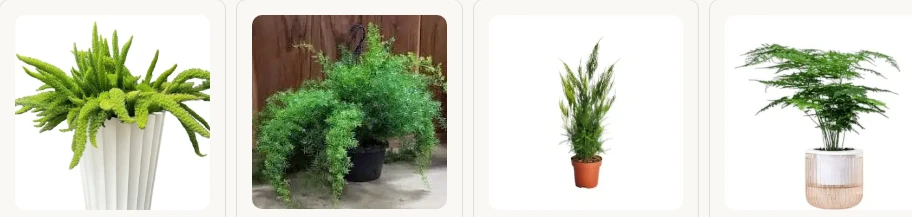
Though cultivated primarily as a vegetable, the Asparagus Plant offers ornamental appeal that should not be underestimated. Its fern-like foliage provides vertical softness in mixed borders and contrasts beautifully with broader-leaved perennials.
In floral arrangements, mature fronds are sometimes used as filler greenery, lending texture and lightness to bouquets. Thus, the plant occupies a unique intersection between kitchen garden and decorative landscape.
Few crops possess such dual identity.
Longevity and Legacy
A well-tended asparagus bed can remain productive for fifteen to twenty years. This endurance transforms it into a kind of horticultural legacy—something planted today that will nourish future seasons and perhaps even future gardeners.
It teaches patience.
It rewards stewardship.
It embodies continuity.
Conclusion
The Asparagus Plant stands as a testament to thoughtful cultivation and enduring yield. It requires preparation, restraint, and seasonal attentiveness. Yet in return, it offers years of harvests, nutritional richness, and aesthetic grace.
In a world inclined toward immediacy, asparagus invites a slower rhythm—one attuned to cycles rather than deadlines. It is not merely grown. It is tended. And in that tending lies both sustenance and quiet satisfaction.
Sign in to leave a comment.