
Vision is one of our most vital senses, yet many people begin to notice subtle changes as they age—things like difficulty reading, glare from headlights, or a persistent blur that won’t go away. These symptoms are often dismissed as “just getting older,” but they can be early signs of cataracts. Understanding how cataracts affect your eyesight can help you take timely action and protect your vision.
In this comprehensive guide, we’ll explore the connection between cataracts and vision problems, including blurry vision cataract causes, cataract double vision, night vision problems cataract, and cloudy vision cataract. We’ll also cover treatment options, prevention tips, and answer frequently asked questions.
What Are Cataracts?
A cataract is a condition where the natural lens of your eye becomes cloudy. Normally, the lens is clear and helps focus light onto the retina for sharp vision. However, when proteins in the lens break down and clump together, they form a cloudy area that interferes with vision.
Cataracts usually develop slowly and are most commonly associated with aging, but they can also result from injury, medical conditions, or prolonged exposure to UV rays.
Common Vision Problems Caused by Cataracts
1. Blurry Vision Cataract Causes
One of the earliest and most noticeable symptoms of cataracts is blurred vision. People often describe it as looking through a foggy window or a dirty lens.
Why does this happen?
- The clouding of the eye lens scatters incoming light
- Light cannot focus properly on the retina
- Visual clarity decreases over time
Additional contributing factors:
- Aging-related protein breakdown in the lens
- Diabetes or other health conditions
- Long-term use of steroid medications
- Smoking or excessive alcohol consumption
Blurry vision may initially come and go, but as cataracts progress, it becomes constant and more severe.
2. Cataract Double Vision
Another troubling symptom is double vision, especially in one eye (monocular double vision). This is different from typical double vision caused by muscle or nerve problems.
What causes cataract double vision?
- Irregularities in the cloudy lens
- Light splitting into multiple images
- Distorted refraction of light entering the eye
You may notice:
- Overlapping images
- Shadowed or ghost-like visuals
- Difficulty focusing on objects
This can interfere with everyday tasks like reading, driving, or using digital devices.
3. Night Vision Problems Cataract
Many people with cataracts report difficulty seeing clearly at night. This can be particularly dangerous when driving.
Symptoms include:
- Glare from headlights
- Halos around lights
- Reduced contrast sensitivity
- Difficulty recognizing objects in low light
Why does this occur?
The clouded lens scatters light, making it harder for your eyes to adapt to darkness. Bright lights may appear overwhelming, while dim environments become even harder to navigate.
Night vision problems are often one of the key signs that cataracts are progressing and may require treatment.
4. Cloudy Vision Cataract
Cloudy vision is the hallmark symptom of cataracts. It can make colors appear dull and reduce overall visual sharpness.
Common experiences:
- Washed-out or faded colors
- Difficulty distinguishing shades
- Reduced brightness perception
- A constant “film” over your vision
This symptom tends to worsen gradually, often going unnoticed until it significantly affects daily life.
Other Symptoms of Cataracts
In addition to the main issues above, cataracts may also cause:
- Frequent changes in eyeglass prescription
- Increased sensitivity to light
- Difficulty reading small print
- Seeing halos around lights
- Yellowing of vision
Who Is at Risk?
While cataracts are most common in older adults, several factors increase your risk:
- Age (50+ years)
- Diabetes
- Smoking
- Excessive UV exposure
- Eye injuries
- Family history of cataracts
- Prolonged use of corticosteroids
How Cataracts Are Diagnosed
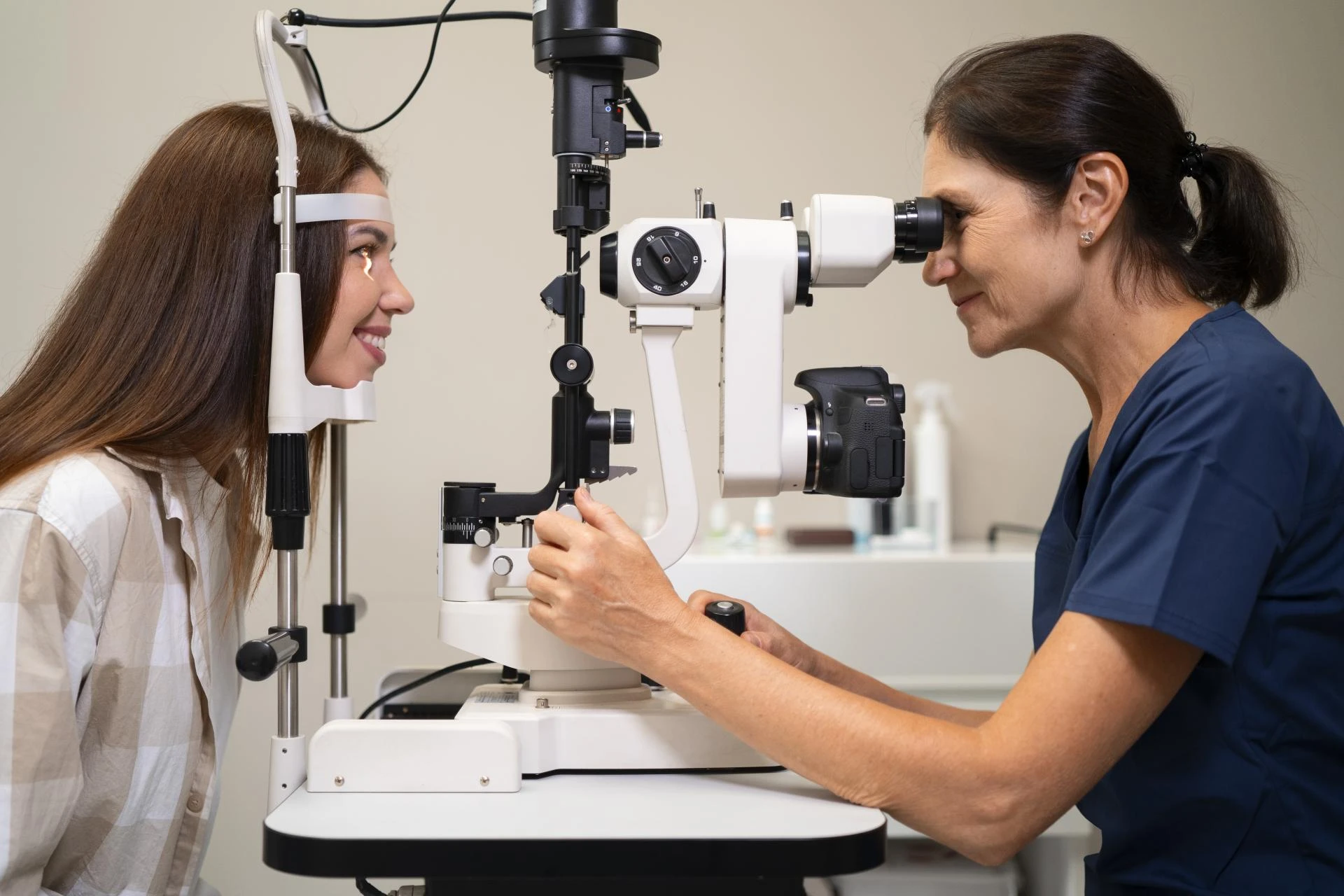
An eye specialist can diagnose cataracts through a comprehensive eye exam, which may include:
- Visual acuity test
- Slit-lamp examination
- Retinal exam
- Refraction test
Early diagnosis is key to managing symptoms and determining the right time for treatment.
Treatment Options for Cataracts
1. Non-Surgical Management (Early Stages)
In the early stages, symptoms may be managed with:
- Updated eyeglasses or contact lenses
- Brighter lighting for reading
- Anti-glare sunglasses
- Magnifying lenses
However, these are temporary solutions and do not stop cataract progression.
2. Cataract Surgery
The only effective treatment for cataracts is surgery.
What happens during surgery?
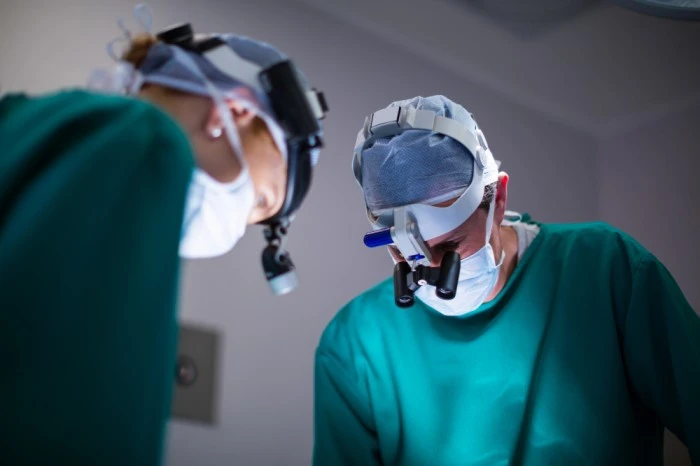
- The cloudy lens is removed
- A clear artificial lens (intraocular lens) is implanted
- Vision is restored, often significantly
Benefits:
- Improved clarity and sharpness
- Better night vision
- Reduced glare
- Enhanced color perception
Cataract surgery is one of the safest and most commonly performed procedures worldwide.
When Should You Consider Surgery?
You should consider cataract surgery when:
- Vision interferes with daily activities
- Night driving becomes unsafe
- Glasses no longer improve vision
- You experience persistent blurry or cloudy vision
Consult an eye specialist to determine the right timing.
Tips to Prevent or Slow Cataracts
While cataracts cannot always be prevented, you can reduce your risk:
- Wear UV-protective sunglasses
- Maintain a healthy diet rich in antioxidants
- Quit smoking
- Manage diabetes effectively
- Get regular eye check-ups
- Avoid prolonged exposure to bright sunlight
Living with Cataracts
If you’re not ready for surgery, you can still manage your symptoms:
- Use brighter lighting at home
- Avoid driving at night
- Use anti-glare lenses
- Increase contrast when reading
- Take regular breaks from screens
FAQs About Cataracts and Vision Problems
1. What are the main blurry vision cataract causes?
Blurry vision in cataracts is caused by the clouding of the eye lens, which prevents light from focusing properly on the retina. Aging, diabetes, and UV exposure are common contributing factors.
2. Can cataracts cause double vision in one eye?
Yes, cataract double vision often occurs in one eye due to irregular light refraction caused by the cloudy lens. This is known as monocular double vision.
3. Why do cataracts cause night vision problems?
Night vision problems cataract occur because the cloudy lens scatters light, causing glare, halos, and reduced contrast sensitivity in low-light conditions.
4. Is cloudy vision always a sign of cataracts?
Cloudy vision cataract is a common symptom, but not all cloudy vision is due to cataracts. Other eye conditions may also cause similar symptoms, so a professional diagnosis is essential.
5. Can cataracts go away without surgery?
No, cataracts do not go away on their own. Surgery is the only permanent solution to restore clear vision.
6. How long does cataract surgery take?
Cataract surgery typically takes 15–30 minutes and is usually performed as an outpatient procedure.
7. Is cataract surgery safe?
Yes, it is considered one of the safest and most effective surgical procedures, with a high success rate.
8. When should I see a doctor?
You should consult an eye specialist if you experience:
- Persistent blurry vision
- Double vision
- Difficulty seeing at night
- Increased sensitivity to light
Clear your vision, reclaim your life—book your cataract consultation today!
Don’t let cataracts silently affect your quality of life. If you’re experiencing symptoms like blurry vision, double vision, or difficulty seeing at night, it’s time to take action.
Early diagnosis and treatment can restore your vision and improve your daily life significantly.
📩 Email: [email protected]
📞 Call Now: 9667770453
Book your consultation today and take the first step toward clearer, brighter vision!











Sign in to leave a comment.