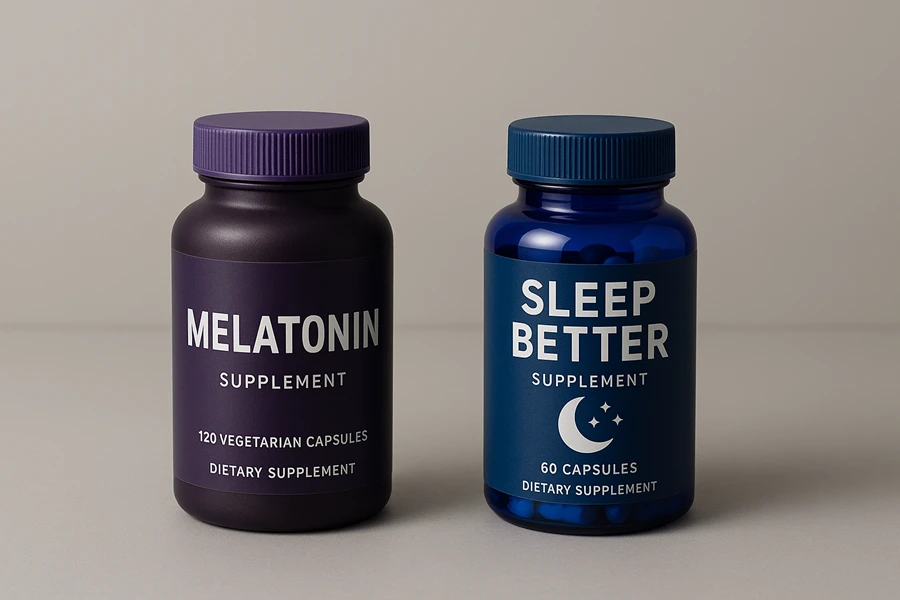

Picture this: It's 10 PM on a school night, and your eight-year-old is bouncing off the walls like they've just discovered a secret stash of energy drinks. Sound familiar? If you're nodding your head right now, you're definitely not alone. Thousands of Canadian parents face this nightly battle, and many are turning to melatonin supplements as their potential sleep-saving hero.
But here's the million-dollar question that's keeping parents up at night (ironically): Are melatonin supplements actually safe for our little ones?
Let's dive deep into this topic that's been buzzing in parenting circles across Canada, because when it comes to our children's health, we deserve nothing but crystal-clear answers.
The Sleep Struggle is Real (And Getting Worse)
Before we talk about solutions, let's acknowledge the elephant in the room. Sleep issues in children have skyrocketed in recent years. Between screen time, busy schedules, and the lingering effects of pandemic-related disruptions, getting kids to sleep has become more challenging than ever.
Dr. Sarah Chen, a pediatric sleep specialist in Toronto, recently shared alarming statistics: "We're seeing a 40% increase in childhood sleep disorders compared to pre-2020 levels." That's not just a number—that's millions of tired families desperately seeking answers.
This is where the melatonin supplement conversation enters the picture. Walk into any pharmacy across Canada, from Vancouver to Halifax, and you'll find these little bottles promising sweet dreams. But should they be in your medicine cabinet?
What Exactly Is Melatonin? (The Science Made Simple)
Think of melatonin as your body's natural "sleep button." It's a hormone produced by the pineal gland in your brain, and it basically tells your body, "Hey, it's time to wind down." When the sun sets, melatonin production ramps up, making you feel drowsy. When morning comes, it dials back down.
Pretty neat system, right? But sometimes, especially in children, this natural process gets thrown off track. That's where synthetic melatonin supplements come into play—they're designed to give that natural process a gentle nudge in the right direction.
The Safety Question: What Canadian Health Experts Actually Say
Here's where things get interesting (and a bit complicated). Health Canada doesn't regulate melatonin supplements as strictly as prescription medications, which means the quality and dosing can vary significantly between products. This is crucial information for parents to understand.
The Good News:
- Short-term use of melatonin supplements appears to be generally safe for most children
- Research shows minimal side effects when used appropriately
- Many pediatricians across Canada are cautiously optimistic about its benefits for specific situations
The Reality Check:
- Long-term effects on developing brains aren't fully understood yet
- Dosing for children isn't standardized
- Quality control varies dramatically between brands
Dr. Michael Roberts, a pediatrician practicing in Calgary, puts it this way: "Melatonin isn't a magic wand, but it can be a useful tool when used correctly and temporarily."
When Might Melatonin Make Sense for Your Child?
Not every child who has trouble falling asleep needs a melatonin supplement. But there are specific situations where it might be worth considering:
Potential Candidates:
- Children with ADHD who struggle with sleep onset
- Kids dealing with jet lag or schedule disruptions
- Children on the autism spectrum with sleep difficulties
- Temporary sleep issues during stressful periods
Red Flags (When to Skip It):
- Children under 3 years old (most experts agree this is too young)
- Kids with certain medical conditions
- When the sleep issue is behavioral rather than biological
The Canadian Landscape: What You Need to Know About Quality
Here's something most parents don't realize: not all Canadian nutritional supplements are created equal. The supplement industry in Canada operates under different regulations than prescription medications, which means doing your homework is absolutely essential.
When shopping for melatonin supplements in Canada, look for:
- Third-party testing certifications
- Clear dosing information specifically for children
- Brands that follow Good Manufacturing Practices (GMP)
- Products that list all ingredients transparently
Companies like Physicians Research have built their reputation on rigorous quality control and transparent manufacturing processes, which is exactly what you want when considering any supplement for your child.
Real Talk: The Potential Side Effects Every Parent Should Know
Let's be honest—no supplement is completely without risks, and melatonin is no exception. While serious side effects are rare, here's what Canadian parents have reported:
Common (but typically mild) side effects:
- Morning grogginess (usually indicates the dose is too high)
- Vivid dreams or nightmares
- Mild headaches
- Slight changes in mood
Less common concerns:
- Hormonal effects (this is still being studied)
- Interaction with other medications
- Dependency concerns (though physical addiction isn't typical)
The key is starting with the lowest possible dose and monitoring your child closely. Remember, more isn't better when it comes to melatonin.
The Dosing Dilemma: Getting It Right
This is where many parents get tripped up. Unlike children's Tylenol, there isn't a standardized dosing chart for melatonin supplements that you can simply follow based on your child's weight.
Most pediatric sleep experts in Canada suggest:
- Starting with 0.5mg about 30-60 minutes before desired bedtime
- Never exceeding 3mg for children
- Using it consistently for a short period (2-4 weeks) rather than sporadically
But here's the crucial part: always consult with your child's healthcare provider before starting any melatonin supplement. They know your child's specific health situation and can provide personalized guidance.
Beyond the Supplement: Building Better Sleep Habits
Here's something the supplement industry doesn't want you to know: sometimes the best solution doesn't come in a bottle. Before reaching for melatonin, consider these evidence-based strategies:
The Sleep Hygiene Toolkit:
- Consistent bedtime routines (yes, even on weekends)
- Screen-free zones starting 1 hour before bed
- Cool, dark bedrooms
- Regular daytime physical activity
- Limiting caffeine (yes, even chocolate and some sodas contain it)
Many Canadian families have found success combining short-term melatonin use with these lifestyle changes, then gradually phasing out the supplement as better sleep habits take hold.
Making the Decision: A Framework for Canadian Parents
Still wondering if a melatonin supplement might be right for your child? Here's a practical decision-making framework:
- Step 1: Try sleep hygiene improvements for 2-3 weeks
- Step 2: Consult with your child's pediatrician or family doctor
- Step 3: If recommended, choose a high-quality Canadian nutritional supplement from a reputable company
- Step 4: Start with the lowest dose and monitor closely
- Step 5: Plan for a gradual phase-out after 4-6 weeks
The Bottom Line: Safety First, Always
Are melatonin supplements safe for children? The honest answer is: they can be, when used appropriately, temporarily, and under proper guidance. But they're not candy, and they're not a substitute for good sleep habits.
As Canadian parents, we're fortunate to have access to high-quality supplements and excellent healthcare guidance. The key is using both wisely.
Remember, every child is unique, and what works for your neighbor's kid might not be right for yours. Trust your instincts, do your research, and don't hesitate to ask questions. Your child's sleep—and your peace of mind—are worth it.
Final thought: Sweet dreams shouldn't require a nightly battle. Whether through melatonin supplements, better sleep habits, or a combination of both, restful nights are absolutely achievable. You've got this, Canadian parents.














Sign in to leave a comment.