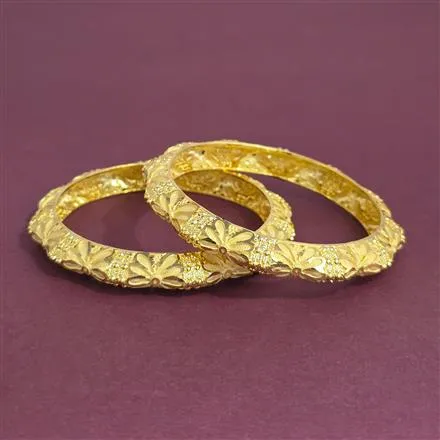

Discover the true value of antique jewellery—its history, authenticity, styling tips, and investment potential. Learn how to buy wisely with expert insights from Kanhai Jewels.
Have you ever bought jewellery that looked beautiful at first but soon felt ordinary?
That is the limitation of most modern jewellery. It is designed for trends, not for meaning.
Antique jewellery stands apart. Each piece carries history, craftsmanship, and individuality that cannot be replicated.
If you value uniqueness, long-term worth, and meaningful design, this guide will help you make informed decisions. At Kanhai Jewels, we curate pieces that go beyond appearance and hold lasting significance.
In this blog, you will learn:
- What makes antique jewellery valuable
- How to identify authentic pieces
- Practical buying tips
- Styling ideas for modern use
- Its role as a long-term investment
What is Antique Jewellery?
Antique jewellery refers to pieces that are typically over 100 years old. However, age alone is not enough. Its true identity comes from:
- Handmade craftsmanship
- Traditional techniques
- Cultural and historical importance
- Unique, non-mass-produced designs
Each piece reflects the skill and patience of its maker. Unlike modern production, no two pieces are identical.
Why Antique Jewellery Holds Its Value
1. Historical Significance
Every antique piece represents a time, tradition, or cultural influence. It is not just jewellery—it is a record of craftsmanship and heritage.
2. Superior Craftsmanship
Antique jewellery showcases techniques rarely seen today:
- Hand engraving
- Detailed stone setting
- Traditional styles such as Kundan, Meenakari, and Polki
At Kanhai Jewels, customers often value the workmanship as much as the design.
3. Limited Availability
Antique jewellery is no longer produced. This results in:
- Restricted supply
- Increasing demand
- Gradual value appreciation
This makes it both a style statement and a long-term asset.
4. Heirloom Value
Antique pieces often become family assets, passed down through generations. Their value extends beyond money to memory and legacy.
How to Identify Authentic Antique Jewellery
Buying antique jewellery requires attention to detail.
Craftsmanship
- Slight irregularities indicating handmade work
- Fine detailing not achievable through machines
- Traditional design patterns
Signs of Age
- Natural patina on metal
- Minor wear from usage
- Older clasp and setting styles
Materials
- Genuine gold or silver
- Natural gemstones
- Use of traditional techniques such as Polki
Certification
Always purchase from a reliable source like Kanhai Jewels to ensure authenticity and transparency.
Common Mistakes to Avoid
Buying Based Only on Appearance
Some pieces are artificially aged to look antique.
Ignoring Documentation
Lack of verification increases risk.
Overlooking Condition
Restoration costs should be considered before purchase.
Unrealistic Pricing
Unusually low prices often indicate imitation.
How to Style Antique Jewellery
Antique jewellery is no longer limited to traditional occasions.
Combine with Modern Clothing
Pair statement pieces with simple outfits to create contrast.
Keep It Minimal
Use one standout piece instead of a full set.
Layering
Combine antique necklaces with modern chains for a balanced look.
Bridal Styling
Antique jewellery offers a distinct and refined appearance for weddings.
At Kanhai Jewels, many brides prefer antique designs for their uniqueness.
Is Antique Jewellery a Good Investment?
Antique jewellery can be a strong long-term investment when chosen carefully.
Value Growth
- Limited supply
- Increasing demand
- Unique craftsmanship
Stability
Antique pieces retain cultural, material, and historical value.
Long-Term Asset
It should be viewed as:
- A legacy holding
- A family asset
- A gradual value builder
Market Insight
Buyer preferences are changing. At Kanhai Jewels, we observe:
- Growing demand for unique designs
- Reduced interest in mass-produced jewellery
- Increased focus on long-term value
Customers are prioritizing meaning and individuality over trend-based purchases.
Care and Maintenance
Proper care preserves both condition and value.
Storage
- Keep in a dry, soft-lined box
- Store separately from modern jewellery
Cleaning
- Avoid chemicals
- Use a soft cloth
- Prefer professional cleaning
Usage
- Avoid wearing during heavy activities
- Handle delicate items carefully
Why Choose Kanhai Jewels
Trust is essential when buying antique jewellery.
Kanhai Jewels offers:
- Verified and authentic pieces
- Expert buying guidance
- Unique collections
- Transparent pricing
Our approach focuses on long-term value rather than short-term trends.
Conclusion
Antique jewellery offers more than visual appeal.
It represents:
- History
- Craftsmanship
- Investment value
- Generational legacy
In a market driven by fast trends, antique jewellery provides lasting worth and distinction.
Looking to invest in jewellery that holds real value?
Explore the antique jewellery collection at Kanhai Jewels and discover pieces that combine heritage with lasting worth. For expert guidance and personalized recommendations, visit now and Contact Us to find the right piece for you.
FAQs
1. What defines antique jewellery?
Jewellery that is typically over 100 years old, often created using traditional craftsmanship.
2. Is antique jewellery expensive?
It can be, but it offers long-term value due to rarity and craftsmanship.
3. How can authenticity be verified?
Check craftsmanship, materials, age indicators, and always buy from trusted sellers like Kanhai Jewels.
4. Can antique jewellery be used daily?
Some pieces can be worn regularly, but delicate items should be used occasionally.
5. Does antique jewellery appreciate in value?
Yes, especially rare and well-preserved pieces.
6. Where can authentic antique jewellery be purchased?
Kanhai Jewels offers verified collections with assured quality.









Sign in to leave a comment.