
The Evolution of Customer Interaction
For decades, businesses relied primarily on human interaction – phone calls, emails, and face-to-face meetings – to build relationships and drive sales. While this approach excelled at fostering trust and personal connections, it often fell short in meeting the demands of today\'s fast-paced, digitally-driven world.
Customers now expect immediate responses, personalized experiences, and round-the-clock support. Traditional methods struggle to keep pace with these evolving expectations, leading to increased customer frustration and lost opportunities.
The Rise of AI Chatbots
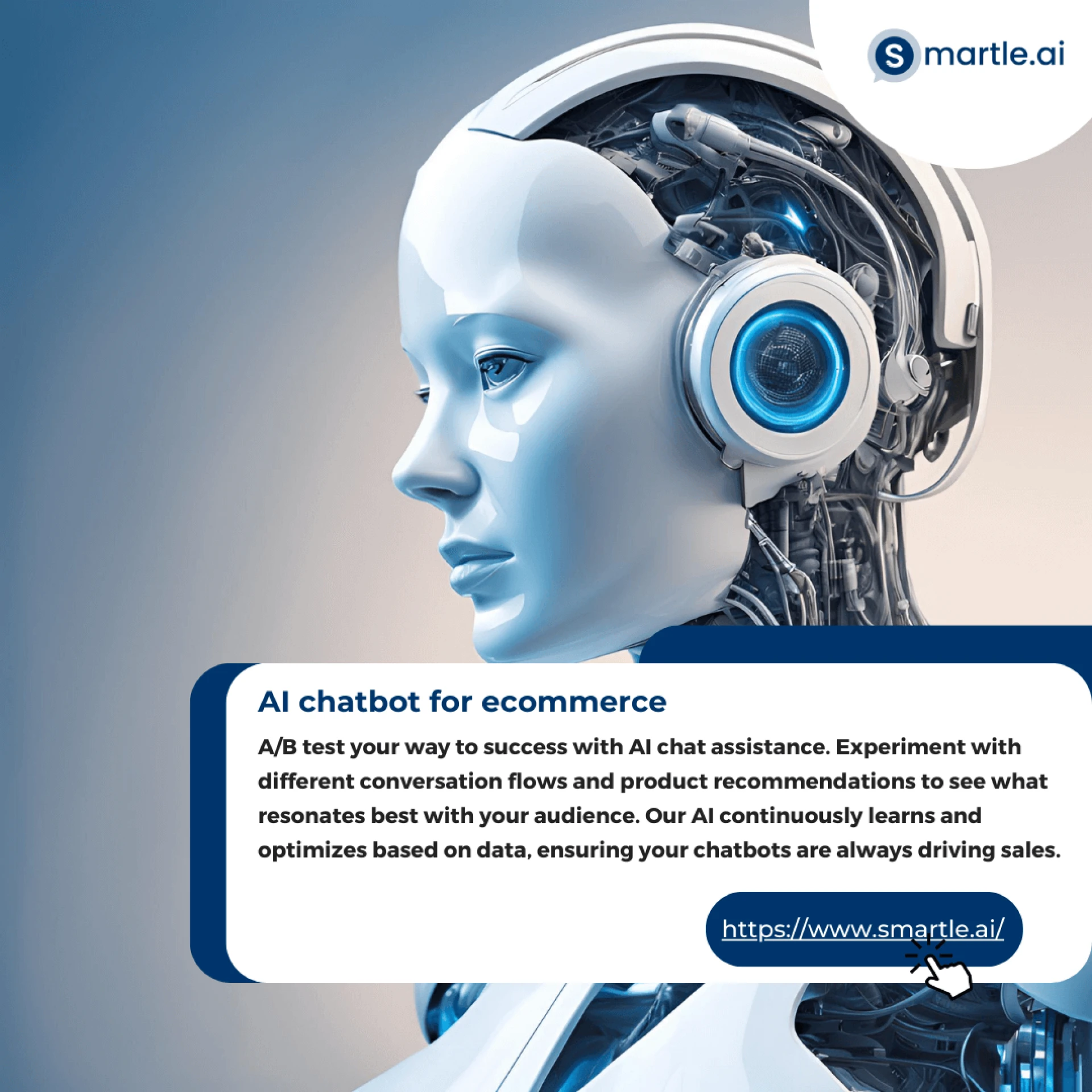
Enter the AI chatbot, a revolutionary technology transforming the way businesses interact with customers. Powered by artificial intelligence and natural language processing, AI chatbots can engage in human-like conversations, providing information, and completing tasks.
What is an AI chatbot?
An AI chatbot is a software application that simulates human conversation or chat through text or voice interactions. Unlike traditional chatbots, AI chatbots leverage advanced algorithms to understand and respond to user queries in a more natural and intelligent manner. They are designed to assist in the sales process by qualifying leads, providing product information, answering customer queries, and guiding customers through the purchasing journey.
How do AI chatbots work?
AI chatbots combine rule-based systems and machine learning to deliver human-like interactions. Rule-based chatbots follow predefined scripts, while machine learning enables them to learn and adapt to user behavior, improving their responses over time. Natural language processing (NLP) allows AI chatbots to understand and interpret human language, enabling more natural and effective conversations.
The Benefits of AI Chatbots for Sales
AI chatbots offer a multitude of benefits for businesses looking to improve sales and customer satisfaction:
- Improved lead generation: AI chatbots can qualify leads efficiently by asking relevant questions and gathering essential information. This helps sales teams focus on high-potential prospects.
- Enhanced customer experience: AI chatbots provide instant responses, personalized recommendations, and 24/7 support, leading to increased customer satisfaction and loyalty.
- Increased sales: By streamlining the purchasing process, addressing customer concerns promptly, and offering relevant product information, AI chatbots can drive higher conversion rates.
- Cost reduction: Automating routine tasks and handling a large volume of customer inquiries can significantly reduce operational costs.
- Data collection: AI chatbots can gather valuable customer data, which can be used to improve products, services, and marketing campaigns.
- Increased efficiency: AI chatbots can handle multiple customer interactions simultaneously, freeing up human agents to focus on more complex tasks.
- Competitive advantage: Early adopters of AI chatbot technology can gain a significant advantage over competitors.
AI Chatbots and the Customer Journey
AI chatbots can be integrated into various stages of the customer journey to maximize their impact:
- Awareness stage: Attracting potential customers through engaging conversations and providing valuable information.
- Interest stage: Nurturing leads by answering questions, providing product details, and offering personalized recommendations.
- Decision stage: Assisting customers in making purchase decisions by comparing products, providing pricing information, and offering promotions.
- Purchase stage: Facilitating the purchasing process by providing secure payment options and order confirmation.
- Post-purchase stage: Offering after-sales support, handling returns and exchanges, and gathering customer feedback.
Overcoming Challenges with AI Chatbots
While AI chatbots offer significant advantages, they also present challenges:
- Limited natural language understanding: AI chatbots may struggle to interpret complex or ambiguous queries.
- Lack of empathy: AI chatbots may not be able to provide the same level of emotional connection as humans.
- Technical difficulties: Issues such as slow response times or system failures can frustrate customers.
- Dependency on data: AI chatbots require a large amount of data to function effectively.
- Data privacy concerns: Handling customer data requires strict adherence to privacy regulations.
To overcome these challenges, businesses should invest in advanced AI chatbot technology, provide ongoing training and support, and carefully monitor chatbot performance.
Best Practices for AI Chatbot Implementation
To maximize the benefits of AI chatbots, consider the following best practices:
- Define clear goals and objectives: Determine what you want to achieve with your chatbot.
- Identify your target audience: Understand your customers\' needs and preferences.
- Develop engaging chatbot personalities: Create chatbots that resonate with your target audience.
- Test and refine: Continuously monitor chatbot performance and make necessary improvements.
- Integrate with other systems: Connect your chatbot to your CRM, marketing automation, and other tools.
- Measure and analyze performance: Track key metrics to evaluate chatbot effectiveness.
- Prioritize customer experience: Focus on creating a seamless and enjoyable customer experience.
The Future of AI Chatbots
As AI technology continues to advance, AI chatbots are becoming increasingly sophisticated. We can expect to see even more innovative applications in the future, such as:
- Voice-activated AI chatbots: Offering a more natural and convenient user experience.
- Emotionally intelligent AI chatbots: Understanding and responding to customer emotions.
- Hyper-personalized AI chatbots: Delivering highly tailored experiences based on individual preferences.
- AI chatbots with augmented reality capabilities: Providing immersive product demonstrations and virtual try-ons.
- AI chatbots integrated with other AI technologies: Leveraging advancements in machine learning, natural language processing, and computer vision.
AI chatbots are undoubtedly transforming the way businesses interact with customers. By embracing this technology and implementing it effectively, companies can gain a competitive advantage, improve customer satisfaction, and drive sales growth.
Specific AI Chatbot Use Cases
AI chatbots have found applications in various industries:
- E-commerce: Providing product recommendations, handling returns, and facilitating purchases.
- Customer service: Answering frequently asked questions, resolving issues, and providing support.
- Healthcare: Scheduling appointments, providing medical information, and assisting with patient care.
- Financial services: Answering financial queries, providing account information, and assisting with transactions.
- Education: Providing tutoring, answering student questions, and offering administrative support.
Challenges and Opportunities in AI Chatbot Development
While AI chatbots offer immense potential, there are challenges to overcome:
- Developing natural language understanding: Improving AI chatbots\' ability to understand and respond to complex queries.
- Ensuring data privacy: Protecting customer data and complying with regulations.
- Building trust: Establishing credibility and building trust with customers.
- Measuring ROI: Quantifying the impact of AI chatbots on business performance.
Despite these challenges, the opportunities for AI chatbots are vast. By addressing these challenges and leveraging the potential of AI, businesses can create powerful chatbot solutions that drive growth and success.
Conclusion
AI chatbots are revolutionizing the way businesses interact with customers. By understanding their capabilities, overcoming challenges, and implementing best practices, companies can harness the power of AI chatbots to enhance customer experiences, improve sales, and gain a competitive edge.










Sign in to leave a comment.