Septic systems play a crucial role in managing household wastewater for millions of properties not connected to municipal sewer lines. While these underground systems are designed to be durable and long-lasting, proper maintenance is essential to ensure efficiency, prevent failures, and save money in the long run. Neglecting routine care can lead to backups, unpleasant odors, system damage, and costly repairs. This comprehensive guide explores everything homeowners need to know about maintaining their septic systems through regular septic tank service.
Understanding the Basics of a Septic System
Before diving into maintenance practices, it’s important to understand how a septic system works. A typical residential septic system consists of two main components:
- Septic Tank: This watertight container holds and separates solid and liquid waste. Solids settle to the bottom as sludge, oils rise to the top as scum, and the remaining liquid flows into the drain field.
- Drain Field (Leach Field): This area allows the pre-treated water to percolate through the soil, which naturally removes harmful bacteria and nutrients.
The goal of septic tank service is to keep this process flowing smoothly and hygienically, without overloading or damaging the system.
Why Septic Tank Maintenance Is Important
Routine maintenance offers a range of benefits:
- Prevents System Failure: Regular pumping removes sludge and prevents clogs that could lead to overflows or backups.
- Extends System Lifespan: A well-maintained system can last 25-40 years or more.
- Protects Property Value: Homes with functional septic systems have better resale value.
- Reduces Environmental Impact: Proper care prevents wastewater contamination of groundwater and nearby streams.
Key Components of Septic Tank Service and Maintenance
1. Routine Pumping
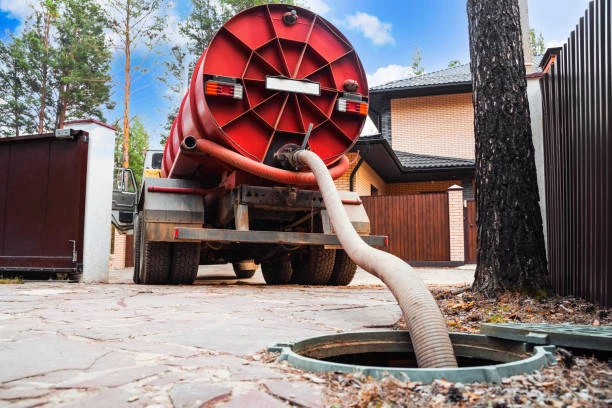
Regular pumping is one of the most essential services for maintaining a septic system.
- Recommended Frequency: Every 3 to 5 years, depending on household size and tank capacity.
- What It Involves: A septic service technician removes built-up sludge and scum, checks for signs of system damage, and may provide basic diagnostics.
- Cost: Typically ranges from $250 to $600.
2. Scheduled Inspections
Routine inspections help detect minor issues before they become major problems.
- Annual or Biennial Inspections: Recommended for monitoring system health.
- What’s Checked:
- Tank integrity
- Baffles and filters
- Liquid levels
- Drain field saturation
3. Use of Septic-Safe Products
Household products can greatly impact the health of your system.
- Avoid:
- Bleach and antibacterial cleaners
- Chemical drain cleaners
- Non-biodegradable items
- Use:
- Septic-safe toilet paper
- Enzyme-based cleaning agents
4. Efficient Water Usage
Excess water can overwhelm your system and cause solids to be flushed into the drain field.
- Tips to Reduce Water Load:
- Fix leaky faucets and toilets
- Use high-efficiency appliances
- Space out laundry loads
5. Drain Field Protection
The drain field is a critical component of the septic system and must be treated with care.
- Dos:
- Direct rainwater and drainage away from the area
- Maintain proper landscaping
- Don’ts:
- Park vehicles or place heavy objects on the drain field
- Plant trees nearby (roots can damage pipes)
Signs Your Septic System Needs Service
Watch for these red flags that may indicate the need for immediate septic tank service:
- Slow Draining Fixtures: Persistent backups in sinks, showers, or toilets.
- Foul Odors: Sewage smells indoors or around the yard.
- Standing Water: Wet or soggy patches above the drain field.
- Lush Vegetation: Unusually green grass in one area may point to leakage.
- Sewage Backup: Wastewater returning to your home is a clear emergency.
The Role of Biological Additives
There is ongoing debate about whether additives are beneficial. Here’s what to know:
- Natural Additives: Enzymes and bacteria can support the tank’s natural processes.
- Chemical Additives: Often discouraged as they may kill beneficial bacteria.
- Best Practice: Rely on regular septic tank service rather than chemical treatments.
DIY Septic Maintenance Tips
While some aspects of septic care require professionals, homeowners can take steps to minimize wear and tear:
- Keep a Maintenance Log: Record inspections, pumping dates, and any issues.
- Mark the Tank Location: Know where your system is to avoid damage during landscaping.
- Divert Surface Water: Ensure rainwater doesn’t flow into the drain field.
Choosing a Septic Tank Service Provider
Finding a reputable provider is key to effective maintenance:
- Licensed and Insured: Always work with certified professionals.
- Transparent Pricing: Ask for upfront estimates and itemized services.
- Local Experience: Familiarity with regional soil and weather conditions matters.
- Customer Reviews: Look for consistent feedback and satisfied clients.
How Often Should Septic Tank Service Be Performed?
The frequency of service depends on several factors:
- Household Size: More occupants equal more wastewater.
- Tank Size: Larger tanks accommodate more waste.
- Water Usage Habits: High usage can accelerate buildup.
Common Septic System Mistakes to Avoid
Avoid these costly errors that can shorten your system’s lifespan:
- Flushing Non-Biodegradables: Wipes, diapers, and hygiene products clog pipes.
- Overusing Garbage Disposals: Solids add strain to the tank.
- Pouring Grease Down Drains: Fat solidifies and causes blockages.
- Skipping Inspections: Small issues can become major repairs.
The Environmental Impact of Proper Septic Tank Service
A well-maintained septic system helps preserve the local ecosystem:
- Protects Groundwater: Prevents contamination of drinking water sources.
- Reduces Pollution: Stops nitrogen and phosphorus runoff into lakes and streams.
- Sustains Soil Health: Keeps drain fields functioning as natural biofilters.
Future Trends in Septic Tank Maintenance
Technological advancements are making septic care easier and more efficient:
- Smart Sensors: Real-time monitoring of tank levels and system performance.
- Remote Diagnostics: Service providers can assess issues before arriving on-site.
- Eco-Friendly Treatments: Emphasis on sustainable and biodegradable products.
These innovations make it easier for homeowners to stay on top of their system’s health and ensure long-term performance.
Conclusion
Septic systems are an essential part of residential infrastructure, and their upkeep is not something to take lightly. With the right knowledge, tools, and regular septic tank service, homeowners can avoid the pitfalls of poor maintenance, enjoy better performance, and contribute to environmental conservation.













Sign in to leave a comment.