

Blog content planning for any business isn’t easy.
Creating a thoughtful content strategy and implementing it across distribution channels with measurable KPIs attached is a lengthy process. Yes, scaling content strategy and operations isn’t easy.
But it’s not impossible once you know the right process to deliver that.
Blog Content Planning – Best Practices for Scaling Content Strategy
The content marketing process takes place in different stages. It’s important to constantly keep scaling your content strategy to stay aligned with your marketing outputs.
In fact, there are several different reasons for scaling content operation -
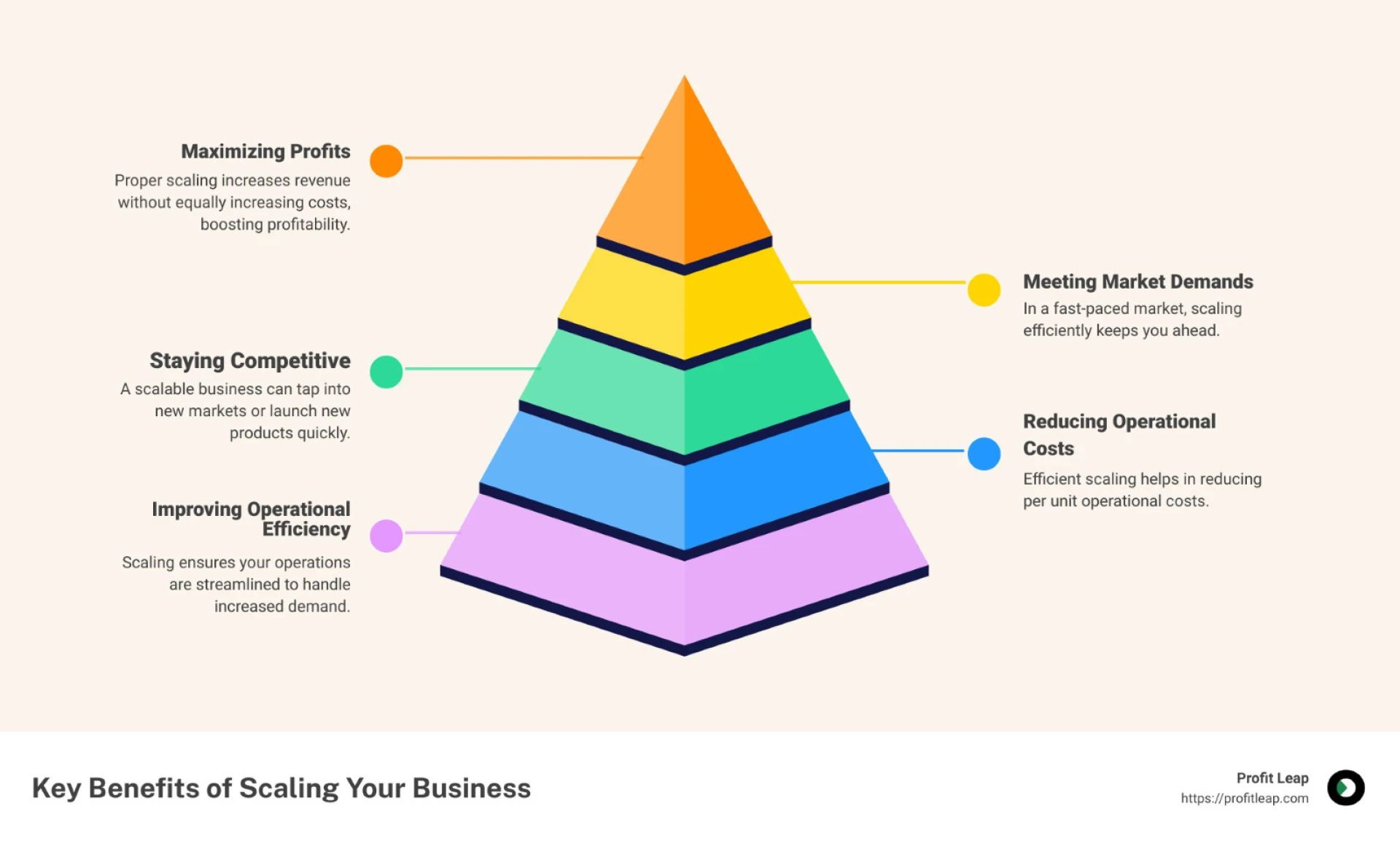
But it’s also not easy to scale the content marketing and creation process. Here are seven important stages for easily scale content strategy and marketing process.
Prioritize And Practice Patience
As we said, it’s not easy to scale and create content simultaneously with a result-driven approach. However, it’ll help to focus on the following aspects –
Start with a strategy: it’s critical to have a streamlined content strategy that helps you execute your business goals easily and drive results. The strategy must outline the goals and the audience to which your content is communicating.
Also, it’s critical for your team members to know the tone of voice, content type and the communication you’re getting across to the audience.
Resources & Tools: Your team and creators, editors must be efficient in ideating, writing, and publishing relevant content aligning with your content marketing strategy.
You also need necessary tools to measure, optimize and scale your content performance. This way your content operation will improve and show impact on your initiatives.
Documenting content strategy: Having a content strategy isn’t enough. It must be documented. With a documented content strategy, it’s easier to follow and implement the right content creation process across the team members.
It also helps new team members learn about the content goals and stay aligned with the workflow practices during onboarding.
Be Patient: Finally, it’s also important to understand that content performance takes time. It’s a process to communicate with your audience and it will take more time to build trust, and relationship with the customer.
So, it’d require strong patience to go ahead with the process and anticipate results.
Standardize The Framework
The success of the right blog content planning depends on a strategic foundation. So, the operations team has to create a strong foundation of strategy on which good content can perform.
Then, it comes down to creating the right roles and responsibilities to carry out content creation, optimization, and publishing work.
It’s important to rely on team collaboration for blogging. The processes must be documented, and the SOPs drafted and templated. That way, it becomes easier to carry out operations and come to terms with quality standards.
Focus on the Bigger Picture
An important part of blog content planning for marketing initiatives is to see the bigger picture.
It’s not the practice of filling out the blog section of your business website with new blog content. Content creators and strategists aren’t only responsible for filling out their content calendar.
It’s a process of creating a holistic communication process where the audience remains in the right place for content creation.
Establish Governance
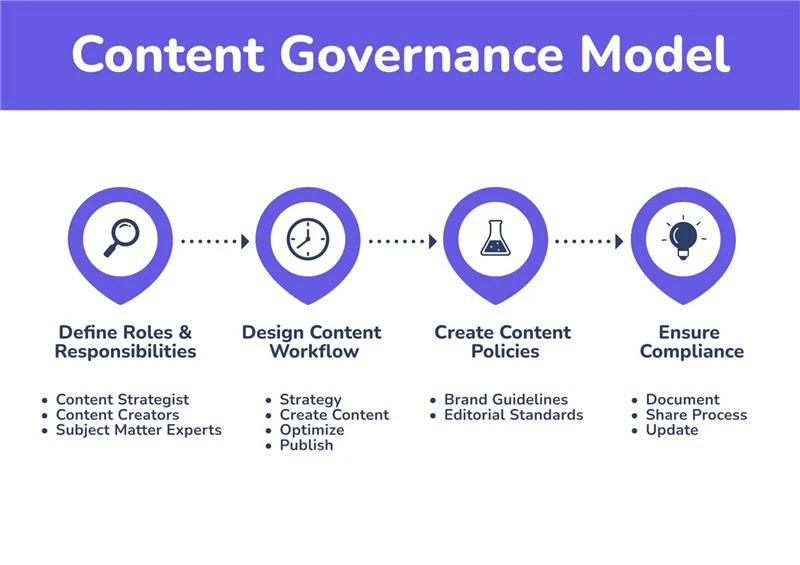
Content creation is a process that requires constant governance if you’re expecting the right results.
Content governance is the process of creating and implementing the right content creation process across different platforms.
A strong blog content planning also must involve a content governance process to ensure consistent, accurate and strategy-compliant content creation.
Ensure that the creators are following the brand and content guidelines. Also, there should be strict vigilance over the approval, archiving, retention, and deletion of the content process.
Regular content audits can help ensure that the planning and the execution processes are aligned. Besides, Content performance tracking can also help get a front-end picture of the content journey.
Think Distribution
Distribution can often put up a fight against the aim to scale content operation.
Here’s a good example — let’s say that you have a strong team of writers who understand your brand blog content planning, and brand voice. But you don’t know how to use different distribution channels to get organic responses from your audience.
You’re creating content to see results and convert that input into revenue. So, it's critical to put some money into distribution channels to get some return on that investment.
Conclusion
Content marketing is like an orchestra, and it deserves a treatment unlike a cacophony. That’s where platforms like BlogManagement come in, helping you with content creation with a thorough understanding of your niche and your journey.
However, if you’re not getting help from any external resources, you can surely follow the steps we have mentioned in this article. In conclusion, it’s all about implementing a bigger picture than looking at a single blog page performing on the top page.













Sign in to leave a comment.