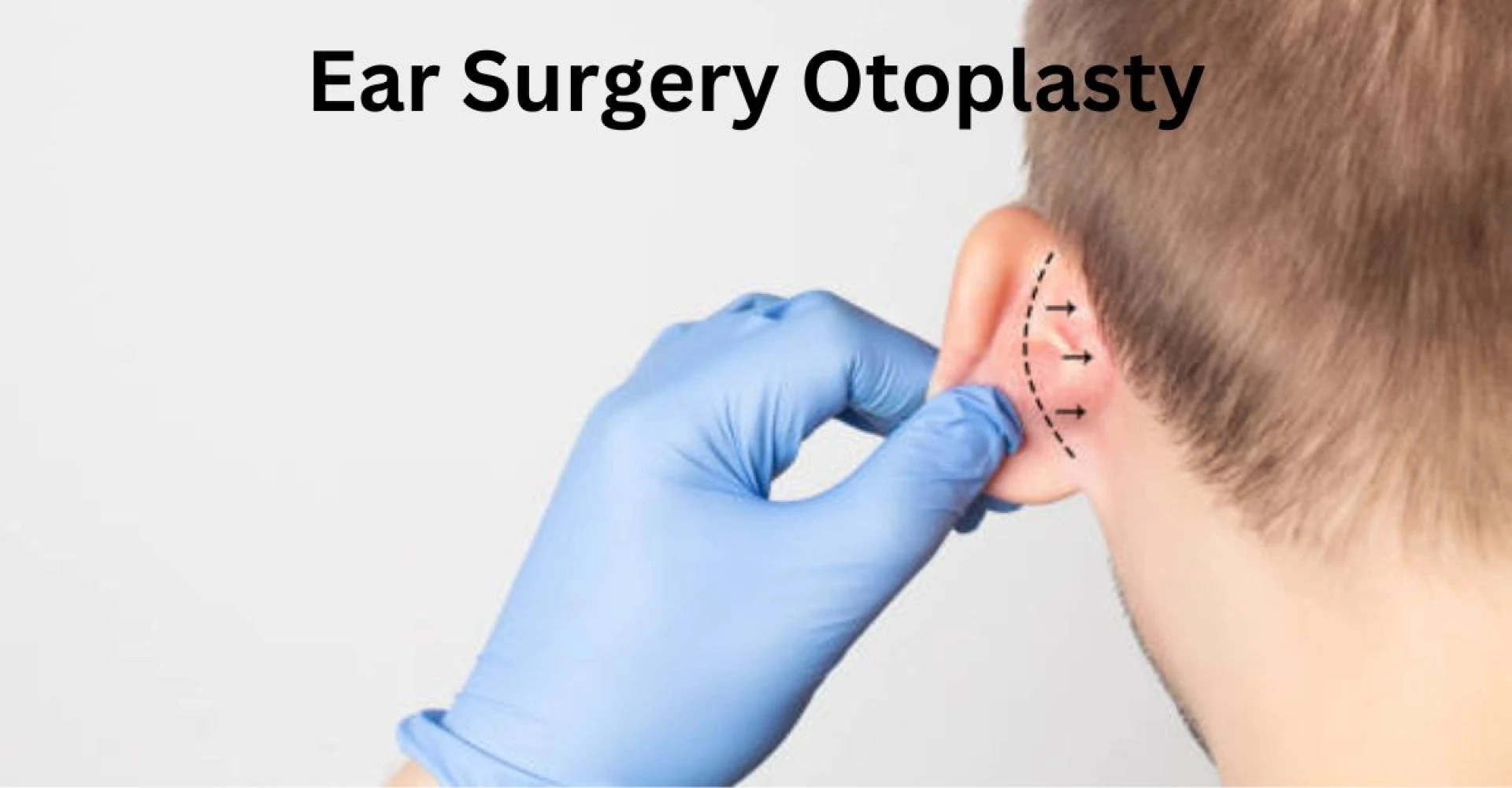

Otoplasty, sometimes referred to as ear surgery, is a surgical technique used to treat ear abnormalities or aesthetic faults. Most often, parents of children who experience bullying as a result of having "dumbo" ears request it for their children. Adults frequently want the procedure to fix bulging ears and boost self-esteem.
The following are five important things about ear surgery otoplasty that you should know if you're thinking about getting one for yourself or your child.
Minimum Age for Otoplasty
Corrective ear surgery is most effective in children between the ages of four and six. Children under the age of four should not have the operation. Once the ears have developed, which typically happens around age six, otoplasty can be done. Early surgery is advantageous because the ear cartilage is more malleable when children are younger, and it also spares youngsters the bullying that is sometimes associated with having large ears.
Issues Corrected by Ear Surgery Otoplasty
The majority of patients treated by facial plastic surgeons have ears that protrude excessively. The antihelical fold, which pulls the top of the ear toward the head, is often to blame for this. The angle and configuration of the mastoid bone and conchal bowl also affect the form of the ear.
One-Ear Otoplasty May Be an Option
One of your ears may be bothering you more than the other. If so, you may only require surgery to repair one ear. However, lopsidedness in both ears can occur regularly, albeit to various degrees. If you adjust one ear while ignoring the other, the lack of symmetry is very obvious. The best outcomes are obtained when both ears are operated on.
Steps Taken During Otoplasty
The administration of anesthesia is the initial stage of an otoplasty procedure. General anesthesia or twilight anesthesia is preferred for pediatric otoplasty. Local anesthesia may be sufficient for adults.
The folds behind the ears are where the incisions are done. This covers any scars. To reshape the ears, the surgeon may need to trim the cartilage. Permanent sutures help maintain the reshaped ear in place.
Be it otoplasty, chin and cheek implant, or Medical Spa Near Me, we at Hilton Head Plastic Surgery & MedSpa can assist.
Discomfort Is Common After the Surgery
Patients consider the ear as one of the most uncomfortable body parts to recover from having plastic surgery on, out of all the locations treated. The day following surgery is when most of the discomfort is noticed. You must wear a compression bandage all night and after the procedure, which contributes to some of this. Even if there is still bruising and swelling, the pressure from this bandage will make you feel uneasy. However, after it is removed on the second day, you will feel considerably more at ease. For the first week, you will need to wear a sweat band-type dressing and then just at night for the next four weeks.
To know more about ear surgery otoplasty, you can get in touch with Hilton Head Plastic Surgery & MedSpa.











Sign in to leave a comment.