
Setting the Scene: Green Building Materials in 2026
In the shadow of the Dolomites, where centuries-old stone structures stand testament to the ingenuity of Renaissance architects, the world of construction is experiencing a quiet revolution. The year 2026 marks a pivotal moment for green building materials and eco-friendly homes, blending tradition with cutting-edge sustainability. Italy, with its deep connection to artisanal craftsmanship and respect for natural resources, is witnessing a surge in demand for materials that reduce environmental footprints without sacrificing aesthetic or structural integrity.
Recent reports from MarkNtel Advisors, as highlighted by Yahoo Finance, project the green building materials market to reach USD 563.5 billion by 2032. This growth underscores a global momentum towards sustainable construction, fueled by environmental regulations, consumer preferences, and technological advancements. The scene today is vibrant: homes built with hempcrete, cross-laminated timber, recycled glass, and bio-based composites are no longer experimental but increasingly mainstream.
What drives this transition is not only ecological necessity but a cultural renaissance of green innovation that echoes Italy’s historic embrace of sustainable artistry—from Venetian glass masterpieces to the intricate mosaics of Ravenna. This article examines the current state of green building materials, their applications in eco-friendly homes, and the trends shaping sustainable construction in 2026.
"The integration of sustainable materials in construction is reshaping how we perceive both home and heritage, fostering a living architecture that honors the past and safeguards the future." — Laura Dinali
Historical Context: How Green Construction Took Root
The evolution of sustainable building materials has deep historical roots, particularly in Europe. Traditionally, builders utilized locally sourced, natural materials—stone, wood, clay—which inherently minimized environmental impact. However, the Industrial Revolution introduced mass-produced, energy-intensive materials like concrete and steel, which, despite their durability, contributed heavily to carbon emissions.
By the late 20th century, the environmental consequences of construction practices became apparent, prompting the emergence of green building philosophies. The 1990s saw the rise of energy-efficient design principles and certification systems like LEED (Leadership in Energy and Environmental Design). Meanwhile, research into alternative materials accelerated, focusing on renewability, recyclability, and non-toxicity.
In Italy, the integration of green materials evolved alongside a resurgence in valuing regional craftsmanship and natural aesthetics. The use of terracotta bricks with improved insulation properties, lime-based plasters, and sustainably harvested timber began blending modern standards with traditional techniques. European Union directives further accelerated this shift, mandating strict energy efficiency and sustainability targets for new buildings.
Today, these early efforts have matured into a comprehensive approach combining material innovation, design optimization, and lifecycle assessment. The journey from conventional to green building materials reflects a broader societal shift towards environmental responsibility and health-conscious living.
Technological Advances and Market Data in 2026
The green building materials market in 2026 is distinguished by remarkable technological progress and diversification. According to Capitalbolsa, the sector’s growth is underpinned by innovations that improve sustainability without compromising functionality or cost-effectiveness.
Key materials leading the charge include:
- Cross-Laminated Timber (CLT): Engineered wood products have surged due to their carbon sequestration capabilities and structural versatility. CLT panels are now commonly employed in multi-story buildings, replacing concrete and steel in many cases.
- Hempcrete: A bio-composite of hemp fibers and lime, hempcrete offers excellent insulation and moisture regulation while being carbon-negative during production.
- Recycled Glass Aggregates: Incorporating glass waste into concrete or tiles reduces landfill burden and enhances aesthetic appeal.
- Mycelium-Based Materials: Derived from fungal networks, mycelium composites provide lightweight, fire-resistant, and biodegradable alternatives for insulation and paneling.
- Low-Carbon Cement: Advances in cement chemistry have reduced emissions by substituting clinker with industrial by-products such as fly ash and slag.
Market data reveals:
- The global green building materials market size is expected to expand at a CAGR of approximately 10% between 2023 and 2032.
- Europe holds a significant share, driven by stringent regulations and consumer demand for sustainable homes.
- Italy, in particular, has seen a 35% increase in green material adoption in residential projects since 2020.
- Cost parity with conventional materials is approaching due to economies of scale and improved manufacturing processes.
The combination of these factors supports an optimistic outlook for green construction, positioning it as a viable, mainstream choice.
"Technological innovation is pivotal: it transforms green materials from niche products into cornerstones of contemporary architecture." — Industry Analyst, MarkNtel Advisors
Current Developments in Green Building Materials and Eco-Friendly Homes
The year 2026 is witnessing several noteworthy trends and breakthroughs in sustainable building materials and eco-home design. Foremost among these is the integration of circular economy principles into construction practices. Materials are increasingly designed for disassembly and reuse, reducing waste and resource depletion.
In Italy, new projects emphasize biomimicry—drawing inspiration from natural processes to create buildings that adapt to their environment. For example, innovative facades combine photovoltaic glass with self-cleaning surfaces derived from nanotechnology, enhancing energy efficiency and reducing maintenance.
Smart materials are gaining traction: phase-change materials (PCMs) regulate indoor temperatures by absorbing and releasing heat, thereby lowering heating and cooling demands. Additionally, advancements in natural fiber composites allow for lightweight structural components with high strength-to-weight ratios.
Government incentives and green mortgages have accelerated homeowner investments in eco-friendly renovations and new builds. According to londonlovesbusiness.com, subsidies for sustainable materials and renewable energy integration now cover over 40% of project costs in some regions.
Importantly, the health benefits of green materials—such as improved indoor air quality and lower VOC emissions—are increasingly a priority. This has led to widespread adoption of natural plasters, low-toxicity paints, and antimicrobial surfaces.
Expert Insights and Industry Impact
Leading architects, engineers, and sustainability experts emphasize that green building materials are no longer optional but essential to meeting climate goals. Luigi Moretti, a prominent Italian architect specializing in sustainable design, notes:
"The transition to green materials is not merely technical; it is cultural. Our challenge is to harmonize modern sustainability with the rich architectural heritage that defines Italy."
Industry leaders stress the importance of transparency in supply chains and lifecycle assessments to avoid greenwashing. The adoption of digital tools such as Building Information Modeling (BIM) integrated with environmental data enables architects to optimize material selection and quantify carbon footprints early in the design phase.
Moreover, manufacturers are embracing eco-innovation. Companies like Italwood and BioTerra have launched product lines certified for carbon neutrality and recyclability. The collaboration between academia and industry continues to yield novel bio-based materials that combine performance with environmental stewardship.
These developments ripple beyond construction, influencing policy frameworks. The European Green Deal’s Next Generation EU fund allocates substantial resources for sustainable infrastructure, reinforcing the market’s growth and innovation capacity.
Case Studies: Exemplifying Green Innovation in Homes
Several recent projects showcase the practical application of green building materials and eco-conscious design in 2026.
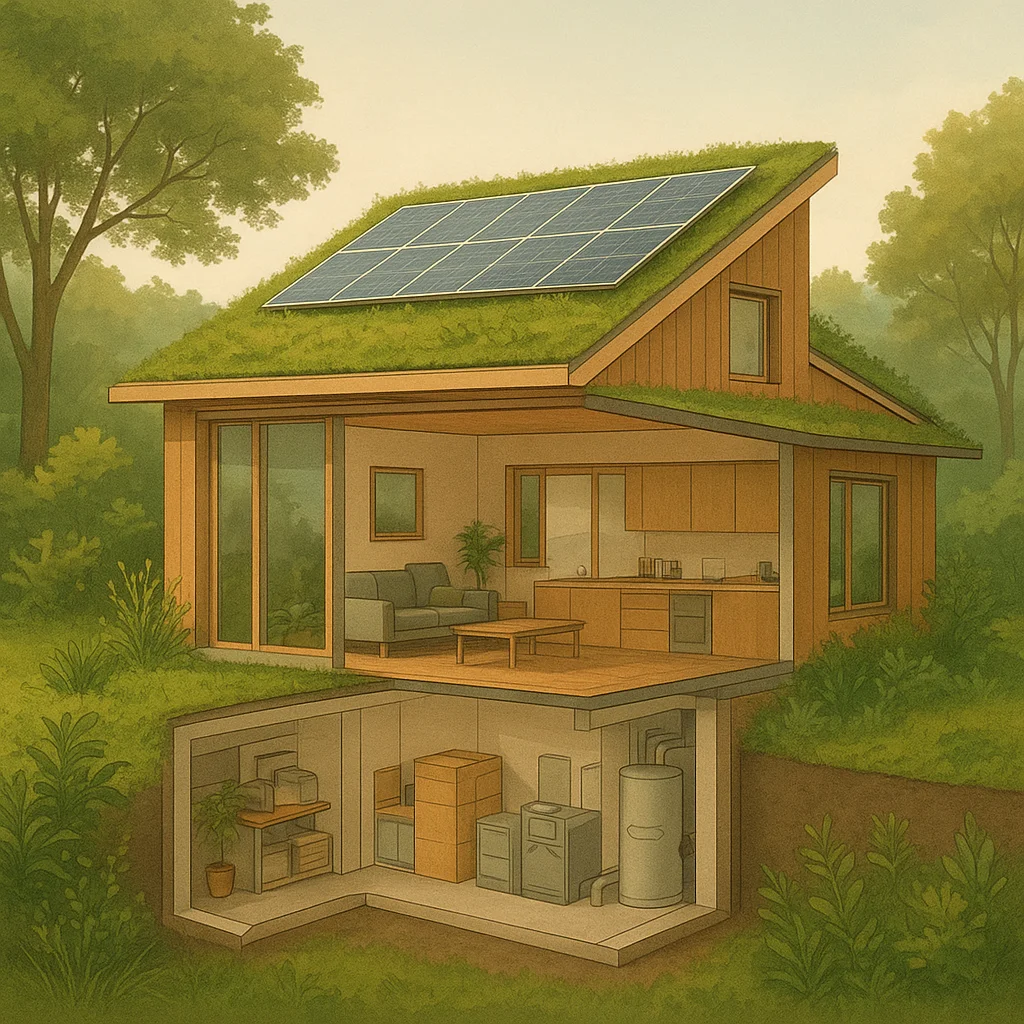
Villa Verde, Tuscany: This residence employs cross-laminated timber sourced from FSC-certified Italian forests. Combined with hempcrete insulation and solar roof tiles, the villa achieves near-zero energy status while blending seamlessly into the rural landscape.
Urban Eco-Loft, Milan: Situated in a refurbished industrial building, this project highlights the reuse of reclaimed bricks and recycled glass aggregates in flooring and wall panels. Smart shading devices and green roofs contribute to energy savings and urban biodiversity.
Venetian Lagoon Eco-Home: Inspired by Venice’s architectural heritage, this floating home uses bio-composites for hull construction and incorporates phase-change materials to regulate interior climate without mechanical cooling.
- Key lessons from these projects include:
- The feasibility of combining traditional aesthetics with modern green materials.
- The economic viability of sustainable construction through lifecycle savings.
- The importance of local sourcing to reduce transport emissions and support regional economies.
These examples illustrate that eco-friendly homes are not theoretical ideals but achievable realities that respect both environment and culture.
Looking Ahead: Trends and Takeaways for Sustainable Living
As we advance beyond 2026, the trajectory of green building materials suggests several critical areas to watch:
- Material Circularity: Designing for end-of-life reuse will become standard practice, minimizing landfill waste and encouraging material recovery.
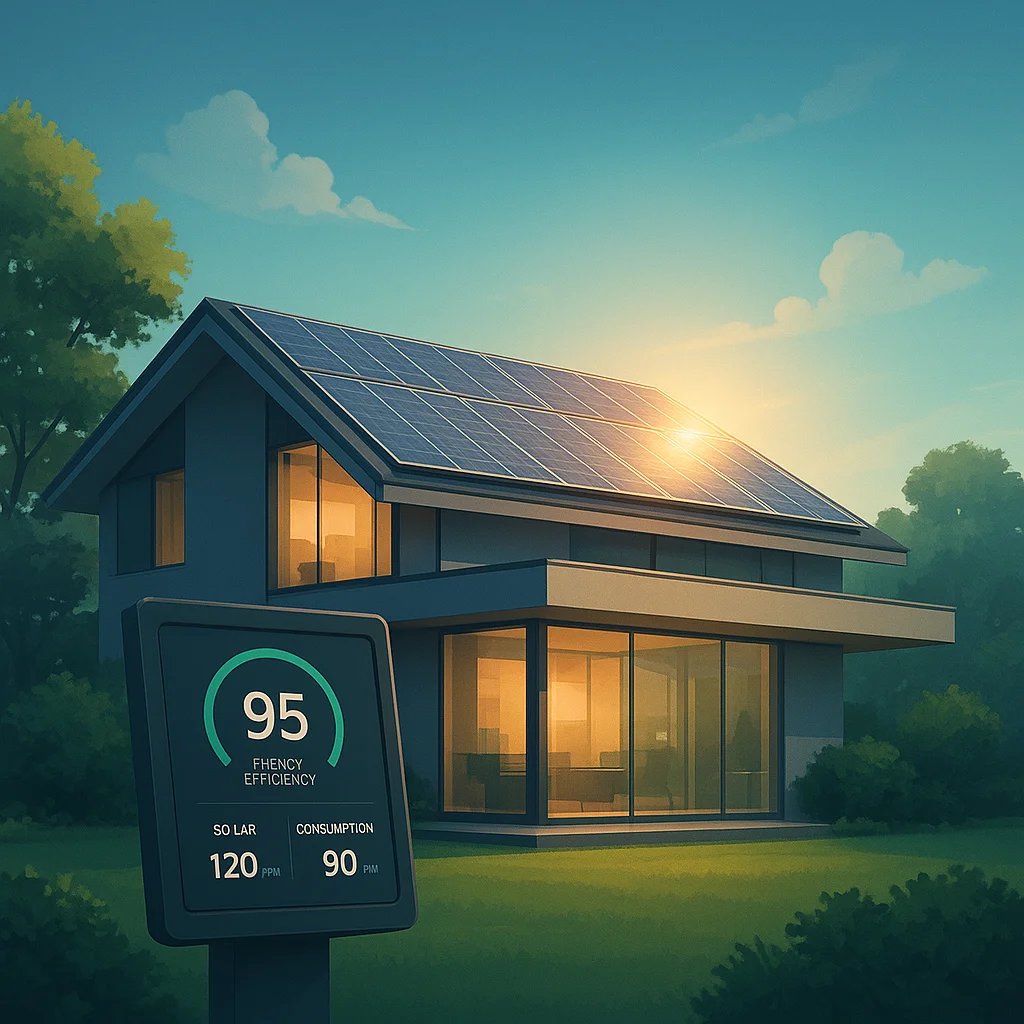
- Integration with Renewable Energy: Combining sustainable materials with on-site energy generation—such as building-integrated photovoltaics—will enhance energy autonomy.
- Digital Twins and AI: These technologies will enable real-time monitoring and optimization of building performance throughout lifecycle.
- Biophilic Design: Connecting occupants with nature through natural materials and green spaces will improve well-being and productivity.
- Policy Evolution: Stricter regulations and incentives will drive faster adoption of green materials globally.
Our previous WriteUpCafe analysis details innovations shaping this field, while related discussions on eco-friendly home maintenance illustrate the holistic approach necessary for truly sustainable living environments.
Ultimately, the embrace of green building materials is both a return to nature and a leap into the future. It reflects a profound awareness that our homes are not isolated shelters but integral parts of a delicate ecological and cultural tapestry.
"Sustainability in construction is the Renaissance of our time: a fusion of art, science, and responsibility that defines how we build our legacy." — Laura Dinali



























Sign in to leave a comment.